

Why flavor variety in coffee makes every cup unique
TL;DR:
- Coffee contains over 1,000 chemical compounds that influence its complex flavor profile.
- Factors like bean genetics, terroir, processing method, and roast level shape taste and aroma.
- Genuine appreciation requires curiosity, deliberate tasting, and understanding of coffee’s scientific and artistic nuances.
Coffee harbors a staggering secret most drinkers overlook. With over 1,000 chemical compounds shaping every sip, the idea that “coffee just tastes like coffee” is one of the most persistent myths in the beverage world. From the altitude where a bean grows to the barrel it might rest in after roasting, every variable leaves a fingerprint on your cup. This guide breaks down the science and artistry behind coffee’s remarkable flavor range, so you can move from passive drinker to intentional taster and actually understand what you’re experiencing.
Table of Contents
- What creates coffee’s endless flavor variety
- From farm to cup: How origin and processing impact flavor
- Roasting and brewing: The science behind flavor transformation
- Why flavor variety matters: Exploring coffee experiences
- Why most people miss the beauty of coffee flavor variety
- Take your coffee experience further with Variatea Coffee
- Frequently asked questions
Key Takeaways
| Point | Details |
|---|---|
| Complex coffee chemistry | Flavor variety in coffee comes from its 1,000+ chemical compounds shaped by nature, genetics, and processing. |
| Influence of origin and process | Where and how coffee is grown and prepared changes everything you taste in your cup. |
| Roast and brew matter | Roasting and brewing methods amplify or balance unique flavor notes for any palate. |
| Adventure in every cup | Exploring different coffees brings new experiences like fine wine or specialty teas. |
What creates coffee’s endless flavor variety
Most people assume coffee flavor comes down to roast level. Dark equals bold, light equals mild. That’s a starting point, but it barely scratches the surface of what’s happening chemically and biologically inside every bean.
Coffee’s 1,000+ flavor compounds include acids, aldehydes, ketones, esters, and furans, each contributing something distinct. Some create brightness and citrus notes. Others build the smoky, roasted backbone. Many are volatile, meaning they evaporate quickly after grinding, which is why freshly ground coffee smells so dramatically different from a cup that’s been sitting out.
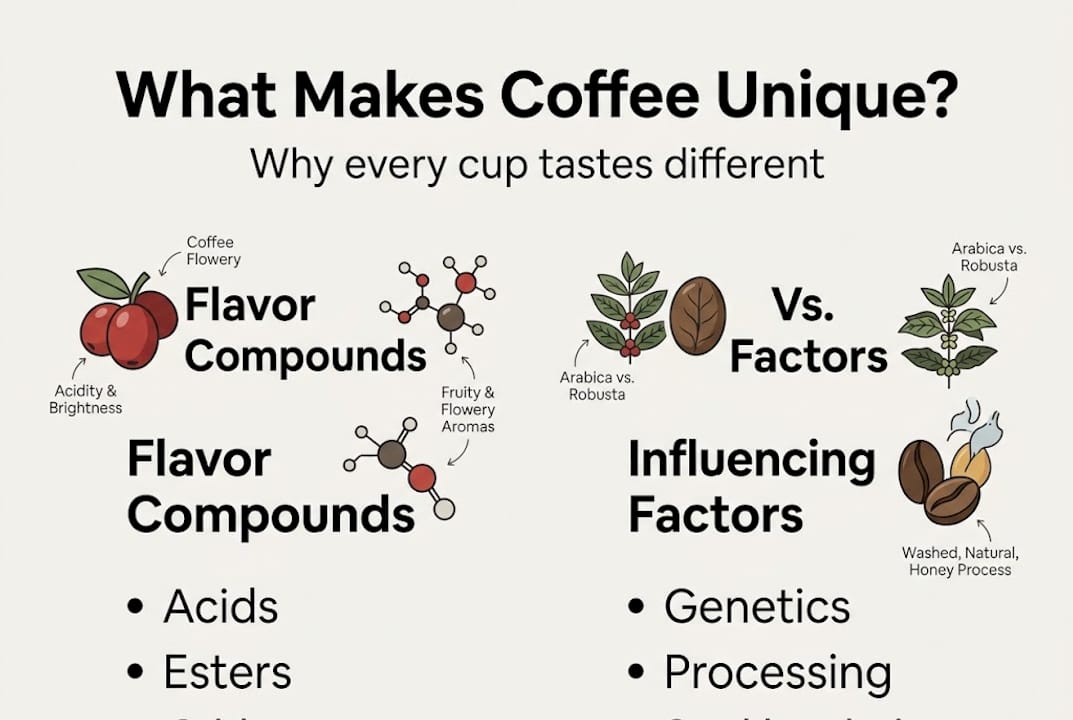
Beyond chemistry, genetics play a huge role. Bourbon, Typica, and Ethiopian landrace varieties emit significantly higher total volatile organic compounds (VOCs) than Robusta-related varieties, which directly translates to richer, more complex aromas in the cup. This is why single-origin specialty coffees from these cultivars smell and taste so much more layered than a standard grocery blend.
Then there’s terroir, a concept borrowed from wine. Terroir refers to the combined influence of altitude, soil composition, rainfall, and microclimate on a crop. In coffee, these environmental factors shape bean density, sugar content, and acid structure. Understanding coffee aroma explained through the lens of terroir helps you connect a cup’s character back to its geography.
Here’s a quick breakdown of the core flavor drivers:
- Chemical complexity: Hundreds of aroma compounds interact to create layered, evolving flavor
- Bean genetics: Species and cultivar determine the range of possible flavors a bean can express
- Terroir: Altitude, soil, and climate shape acidity, body, and sweetness
- Processing method: How the cherry is handled after harvest locks in or strips out specific flavor compounds
- Roast level: Heat transforms raw compounds into the flavors you actually taste
Pro Tip: If you want to taste terroir directly, try two single-origin coffees from different countries at the same roast level. The differences you notice are almost entirely driven by genetics and environment, not the roaster’s choices.
From farm to cup: How origin and processing impact flavor
Once you understand the building blocks, the next question is how those compounds survive or transform between harvest and your first sip. The answer lies in two places: where the coffee grows and how it’s processed after picking.
Higher altitude coffees produce denser beans with more concentrated sugars and acids. Denser beans roast more evenly, hold their structure better under heat, and yield more complex flavor development. A bean grown at 1,800 meters above sea level in Ethiopia will behave completely differently under the same roast profile as a bean grown at 900 meters in Brazil.
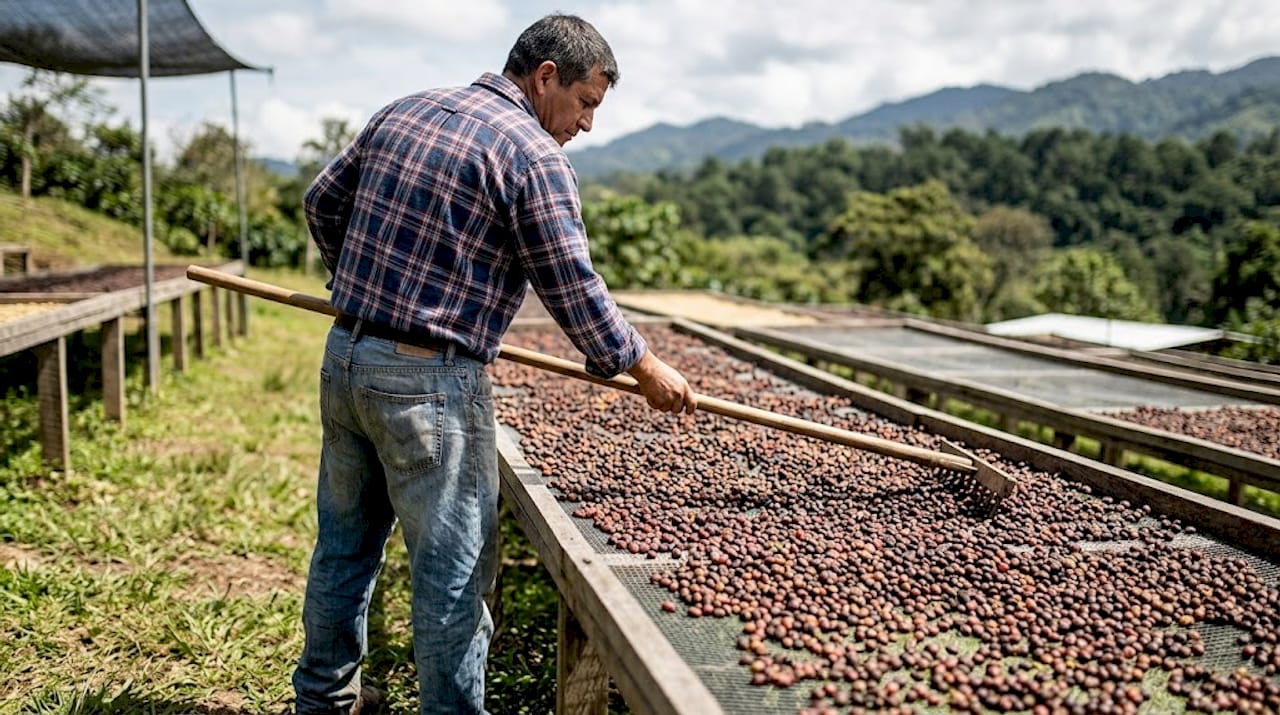
Post-harvest processing is where producers make intentional decisions that dramatically alter flavor. The three primary methods each create a distinct profile:
| Processing method | Flavor profile | Body | Acidity |
|---|---|---|---|
| Washed | Clean, citrus, floral | Light to medium | Bright, crisp |
| Natural | Fruity, berry, winey | Heavy, full | Soft, low |
| Honey | Sweet, caramel, balanced | Medium | Moderate |
These processing methods determine how much fruit contact the bean has during drying. Washed coffees have the fruit removed immediately, producing clarity and brightness. Natural coffees dry inside the whole cherry, absorbing sugars and fermentation notes. Honey processing sits in between, leaving varying amounts of fruit mucilage on the bean.
Here’s a simple framework for choosing based on your preferences:
- If you love clean, tea-like cups with bright acidity, start with washed Ethiopian or Kenyan coffees
- If you want bold, jammy, fruit-forward flavors, explore natural processed Brazilians or Ethiopians
- If you want sweetness and balance without the wildness of natural processing, honey-processed Costa Ricans are a great entry point
- If you’re exploring brewing techniques for flavor, match your method to the processing style for the best results
Pro Tip: Natural processed coffees are more sensitive to grind size and water temperature. A coarser grind and slightly lower water temperature (around 195°F) can prevent the fruity notes from turning muddy or fermented-tasting.
Roasting and brewing: The science behind flavor transformation
Processed beans still don’t taste like coffee yet. That transformation happens in the roaster, where heat triggers a cascade of chemical reactions that define the flavor you’ll eventually taste.
The two most important reactions are the Maillard reaction and caramelization. The Maillard reaction occurs when amino acids and reducing sugars interact under heat, producing nutty, caramel, and toasty notes. Caramelization follows, deepening sweetness and adding complexity. As roasting continues, acids degrade and new bitter compounds form.
Here’s how roast level shapes what ends up in your cup:
| Roast level | Flavor character | Origin expression | Best brewing method |
|---|---|---|---|
| Light | Fruity, floral, bright | High | Pour-over, AeroPress |
| Medium | Balanced, sweet, nutty | Moderate | Drip, flat white |
| Dark | Smoky, chocolate, bitter | Low | Espresso, French press |
Light roasts are denser and less soluble, which means they need a finer grind and slightly hotter water to extract fully. Dark roasts are more porous and extract faster, but they lose the nuanced origin character in the process. This is why brewing method and roast level should always be chosen together, not independently.
Key brewing variables that shape your final cup:
- Grind size: Finer grinds increase surface area and extraction speed
- Water temperature: Higher temperatures extract more compounds, including bitter ones
- Brew ratio: More coffee relative to water increases body and intensity
- Contact time: Longer contact extracts more, but over-extraction turns flavors harsh
“The roast doesn’t just change the color of the bean. It rewrites the entire flavor story the origin started.”
For a deeper look at how this process works, explore the effect of roasting on flavor and how small adjustments in heat application change the outcome entirely.
Why flavor variety matters: Exploring coffee experiences
Understanding the technical side of coffee flavor is valuable. But the real payoff is what it unlocks in your daily cup. Flavor variety isn’t just an academic concept. It’s the difference between a routine and a ritual.
For connoisseurs, complexity is the point. Specialty coffees don’t just contain more aroma compounds in total. They contain the right compounds in the right proportions, creating a sensory experience that evolves as the cup cools. A well-sourced light roast Ethiopian might open with jasmine, shift to lemon curd, and finish with a clean, lingering sweetness. That arc is intentional and repeatable.
For tea drinkers curious about coffee, the entry point is closer than most expect. Light-roasted Ethiopians processed using the washed method produce floral and citrus notes that genuinely mirror the character of a high-quality green or white tea. Honey-processed coffees offer the sweetness and body that feel familiar to oolong drinkers.
Practical ways to build your flavor vocabulary:
- Taste side by side: Brew two coffees from different origins or processing methods at the same time and compare directly
- Let your cup cool: Many flavor notes only emerge as temperature drops below 140°F
- Smell before you sip: Aroma accounts for the majority of what you perceive as taste
- Keep notes: Even a simple log of “liked this, too bitter, reminded me of X” builds pattern recognition fast
- Explore flavorful small-batch coffees: Artisanal roasters intentionally highlight specific flavor profiles that mass-market brands smooth out
Pro Tip: If you’re transitioning from tea to coffee, start with a washed Ethiopian brewed in a pour-over at a 1:15 ratio. The result is light-bodied, aromatic, and far more tea-like than anything you’d find in a standard café.
Why most people miss the beauty of coffee flavor variety
Here’s an uncomfortable truth: most coffee drinkers aren’t actually tasting their coffee. They’re consuming it. There’s a real difference.
The habit of drinking coffee for caffeine delivery means most people never slow down enough to notice what’s actually in the cup. They default to the same brand, the same roast, the same preparation, every single day. Familiarity feels like quality, but it’s really just comfort.
What changes everything is curiosity. Not expertise. Not expensive equipment. Just the willingness to ask “why does this taste different?” and follow that question somewhere new. That’s how you go from a coffee drinker to someone who genuinely understands what they’re experiencing.
We’ve found that the most rewarding approach is deliberate variety. Rotate your coffees. Try a natural-processed bean after a month of washed. Brew the same coffee in a French press and then a pour-over and taste the difference. Mastering flavor layering doesn’t require a barista certification. It requires attention and a willingness to be surprised.
The science is fascinating. But the experience is the point.
Take your coffee experience further with Variatea Coffee
Now that you understand what drives flavor variety, the next step is tasting it for yourself. Reading about smoky bourbon notes and fruity natural processing is one thing. Actually experiencing them is another.

At Variatea Coffee, we’ve built our entire catalog around giving you that range. Our Whiskey Barrel Aged coffee delivers the deep, smoky complexity that barrel-aging adds to an already rich roast. If you’re a tea drinker looking to explore, our artisanal teas include everything from toasty Hojicha to vibrant Moroccan Mint, bridging the gap between both worlds. Ready to find your next favorite cup? Discover more blends and start brewing with intention.
Frequently asked questions
How does altitude affect coffee flavor?
Higher altitude coffees typically have more vibrant acidity and complex flavors due to their dense beans and richer chemical makeup. Altitude significantly increases caffeine, phenolics, and VOC emission, all of which enhance aroma intensity and depth.
Why is washed coffee considered the standard among specialty coffees?
Washed processing removes the fruit before drying, delivering a clean, consistent cup that lets the bean’s natural character and acidity shine without fermentation interference. This clean, bright acidity is exactly what specialty roasters and judges look for when evaluating quality.
What’s the difference between light and dark roasted coffee flavors?
Light roasts are bright, fruity, and origin-driven because the Maillard reaction is still developing. Dark roasts push past that point, emphasizing chocolate, smoky, and bitter notes while muting the unique origin flavors.
Can coffee mimic tea flavors?
Yes. Light-roasted Ethiopians processed using washed or honey methods can exhibit floral, citrus, or sweet notes that closely mirror the character of high-quality green or white teas.