

What Is Flavor Infusion and How to Use It
TL;DR:
- Flavor infusion involves passively steeping plant materials in solvents like water, oil, or alcohol to extract aromatic compounds. Controlling variables such as temperature, time, and solvent choice is crucial for optimal results, with each method offering unique flavor profiles. Proper timing, tasting, and ingredient quality prevent over-extraction and ensure vibrant, layered flavors in culinary applications.
Flavor infusion is one of those techniques home cooks hear about constantly but rarely get a clear explanation of. At its core, flavor infusion is the culinary process of extracting chemical compounds and aromatic molecules from plant materials by suspending them in a solvent like water, oil, or alcohol over time. The industry standard term for this is simply infusion, and understanding it changes how you approach everything from brewing tea to crafting spiced oils. This guide breaks down the science, the methods, and the kitchen applications so you can use infusion with real confidence.
Table of Contents
- Key Takeaways
- What flavor infusion really is
- Flavor infusion techniques for home cooks
- Infusion vs. other flavor methods
- Advanced flavor science and modern tricks
- How to start infusing flavors at home
- My take on flavor infusion after years of tasting
- Taste the artistry behind every cup
- FAQ
Key Takeaways
| Point | Details |
|---|---|
| Infusion defined clearly | Flavor infusion extracts aromatic compounds from plant material using a solvent like water, oil, or alcohol. |
| Solvent choice drives results | Fat-soluble aromas extract best in oils; water-soluble ones extract best in water or alcohol. |
| Temperature and time are critical | Hot infusion accelerates extraction but risks bitterness above 60°C; cold infusion is slower but often smoother. |
| Strain at peak flavor | Leaving botanicals in too long causes over-extraction and off-flavors, so timing and straining matter. |
| Infusion applies everywhere | From brewed tea and infused spirits to spiced cooking oils and marinades, the same principles apply across the kitchen. |
What flavor infusion really is
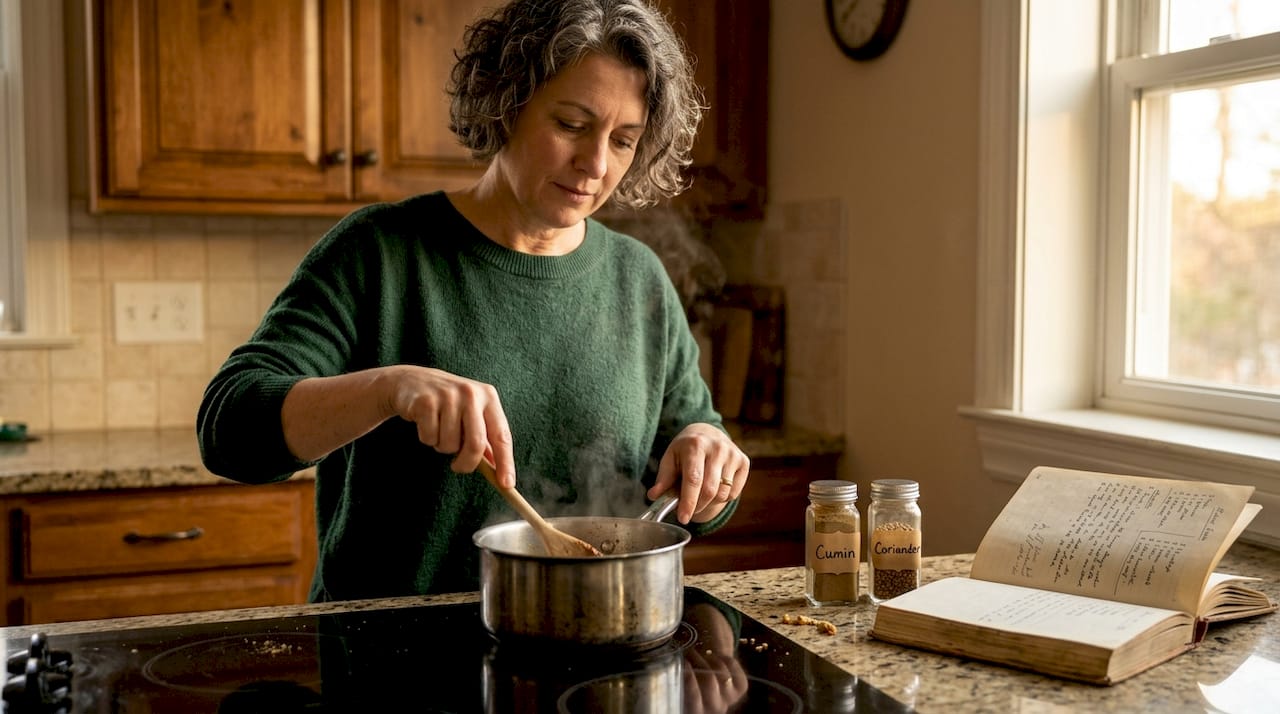
Most people have already practiced flavor infusion without knowing it. Every time you steep a tea bag in hot water, you are performing a classic infusion. The leaves release their aromatic and flavor compounds into the water, which acts as the solvent, and the result is a liquid carrying the concentrated essence of those botanicals.
Technically, infusion differs from two related processes you should know about. Decoction involves actually boiling the plant material, which breaks down tougher compounds like starches and resins. Percolation pushes a solvent through a bed of material continuously, the way drip coffee makers work. Infusion sits between these: the plant material steeps passively in the solvent without boiling or forced pressure.
The three main solvents used in flavor infusion are:
- Water — best for water-soluble compounds like tannins, caffeine, and many herbal aromatics
- Oil — best for fat-soluble aromatic compounds, which is why garlic and herb-infused oils carry such intensity
- Alcohol — extracts both water-soluble and fat-soluble compounds, making it the most versatile solvent for flavor work
What determines which flavor compounds actually transfer is a combination of solvent type, temperature, and time. The solvent and temperature together largely determine which molecules extract and at what intensity, not just the ingredient itself. This is a point most home cooks miss. You could use premium saffron in the wrong solvent at the wrong temperature and get almost nothing from it.
Pro Tip: If you want to infuse dried spices into an oil, gently warming the oil first to around 50°C for 10 to 15 minutes speeds up the extraction of fat-soluble aromatics significantly compared to cold infusion in oil alone.
Flavor infusion techniques for home cooks
Getting consistently good results with infusion comes down to controlling three variables: temperature, time, and your choice of botanical-to-solvent pairing. Here is a practical breakdown of how to approach each method.
-
Cold infusion. This method uses no heat at all. You submerge your ingredients in the solvent and wait. Cold infusion times can range from 30 minutes for fresh chilies in tequila to several weeks for dried spices in whiskey. The tradeoff is time, but the flavor payoff is often smoother and more nuanced because heat never triggers bitterness or harsh volatile compounds.
-
Hot water infusion. This is your standard tea brewing method. Water between 70°C and 90°C extracts most aromatic compounds from dried herbs, leaves, and flowers within 3 to 10 minutes. Going hotter or longer often produces bitterness.
-
Hot oil infusion. Warming oil gently with garlic, rosemary, or chili releases fat-soluble compounds quickly. Keep temperatures low, around 50°C to 60°C, and never let the oil smoke.
-
Alcohol infusion. Spirits work as both water-soluble and fat-soluble extractors. When using heat for spirit infusion, temperature should not exceed 60°C to prevent significant alcohol loss. Most professionals hold the liquid at around 50°C and taste every 15 to 20 minutes.
-
Cold brew infusion. Technically a cold water infusion, this method steeps coarsely ground coffee or botanicals in cold water for 12 to 24 hours. The result is a concentrate with lower acidity and a rounder, more chocolatey flavor profile.
-
Sous vide infusion. A modern approach where sealed bags of aromatics and solvent are held at precise temperatures in a water bath. This gives you total control and dramatically speeds up infusion compared to traditional cold methods while avoiding the harshness of high heat.
Pro Tip: Match your botanical to your solvent before you start. Fat-soluble aromas like citrus zest, vanilla, and most spice resins extract beautifully into oil or alcohol. Water-soluble compounds like most fruit acids and tannins go into water. Using the wrong solvent means you leave most of the flavor behind.
Infusion vs. other flavor methods
Understanding how flavor infusion compares to other techniques helps you choose the right method for the right job.
| Method | Solvent | Heat | Time | Best for |
|---|---|---|---|---|
| Infusion | Water, oil, alcohol | Optional | Minutes to weeks | Teas, oils, spirits, sauces |
| Decoction | Water | Required (boiling) | 10 to 45 minutes | Roots, bark, tough botanicals |
| Percolation | Water | Required | Continuous | Drip coffee, espresso |
| Maceration | Water or alcohol | None | Hours to weeks | Fruit liqueurs, vinegars |
| Marinating | Oil or acid-based liquid | None | 30 min to 24 hours | Meat, vegetables |
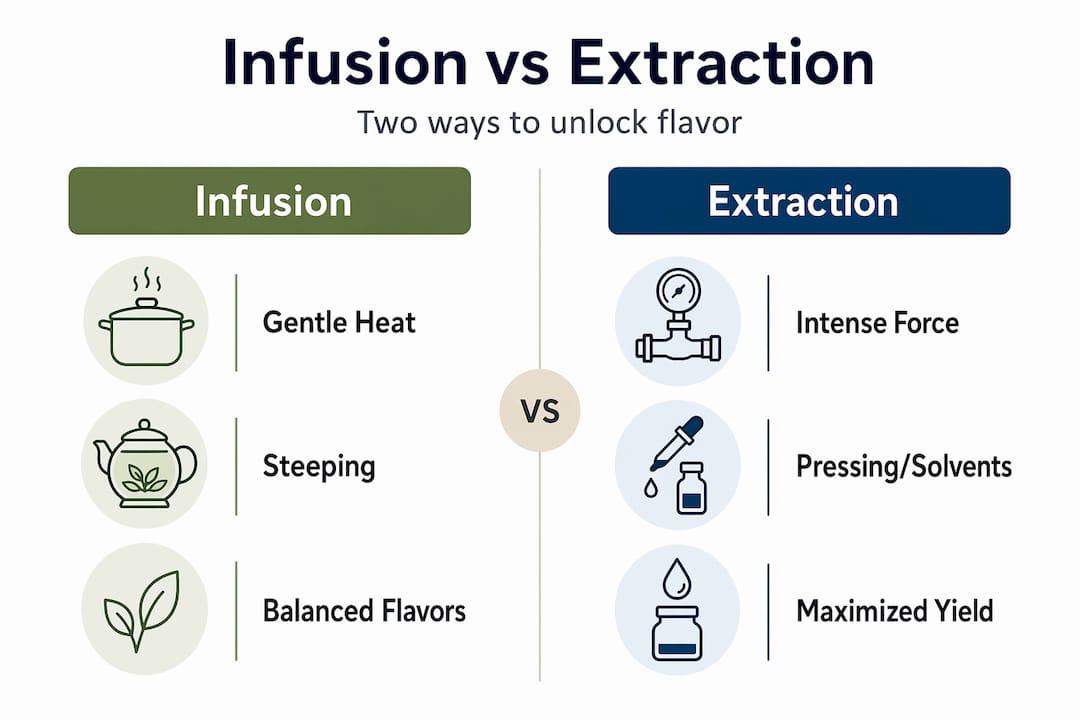
The biggest practical difference between infusion and extraction (a broader term that covers all methods of pulling flavor compounds from a source) is precision. Infusion gives you control over intensity through timing and temperature. What is flavor extraction in the broader sense? It describes any process that removes flavor compounds from a source material, including pressing, distillation, and solvent extraction at industrial scale. Home infusion is the most accessible form of that broader category.
When you work with infused applications, flavor layering becomes possible. Think of a sauce built on a rosemary-infused oil base, finished with a wine reduction. Each component carries its own infusion, and the layers combine into a depth a single-ingredient sauce cannot match. Layering infused elements is covered thoroughly in this guide on flavor layering in coffee, and the same principles translate directly to savory cooking.
Common pitfalls to avoid:
- Over-extraction. Leaving botanicals in past peak intensity pulls bitter or astringent compounds into your infusion. Strain promptly.
- Wrong temperature for alcohol. Overheating spirits drives off the alcohol before your flavors fully develop.
- Using stale ingredients. Dried herbs and spices that are more than a year old have lost most of their volatile aromatic compounds. Fresh, high-quality botanicals produce dramatically better results.
- Skipping the taste test. The most reliable timer for infusion is your palate, not the clock.
Advanced flavor science and modern tricks
The serious home cook who wants to go beyond the basics needs to understand one more layer: solubility and how it shapes ingredient choices at a molecular level.
Different compounds in the same spice can have different solubility profiles. Capsaicin in chili, for example, is fat-soluble, which is why milk (fat content) relieves chili burn better than water. When you infuse chili into water, you get some heat but miss the deeper, oilier aspects of the pepper’s flavor. Infuse the same chili into neutral oil or a high-proof spirit and the full profile emerges.
Modern food science has taken this further. Enzyme and AI technologies now help food manufacturers engineer precise sensory profiles in plant-based products, essentially using targeted infusion chemistry at scale. For the home cook, the lesson is that controlling your variables with the same intentionality gets you closer to that kind of precision.
“The difference between an infusion that tastes muddled and one that tastes clear and bright almost always comes down to straining at exactly the right moment.”
Industry best practice is to remove the source material at peak intensity. This is the single most important habit to develop. Taste your infusion every 10 to 15 minutes during hot infusion, and every 24 hours during cold infusion. The moment it tastes right, strain it immediately. Do not wait.
For home cooks working with spice sachets and layered seasoning in batch cooking, infusion principles also apply. Using a sachet of whole spices in a large pot of broth is a form of hot water infusion, and the same rules about timing and removal at peak flavor hold.
How to start infusing flavors at home
You do not need specialty equipment to get started. A clean glass jar, a fine mesh strainer, and quality ingredients are enough for most infusion projects.
-
Choose your base and botanical pairing. Match the solvent to what you want to extract. For spice-infused coffee blends, water is the natural solvent. For herb-forward cooking oils, use a neutral oil. For flavor-forward spirits, use a high-proof base.
-
Prepare your botanicals. Fresh herbs should be washed and dried before infusing. Dried spices benefit from a light toast in a dry pan first, which opens up volatile compounds and gives the infusion more depth.
-
Set your time and temperature. For hot water infusions, 80°C to 85°C for 5 to 8 minutes works for most herbs and teas. For oil, gentle warmth around 50°C for 20 to 30 minutes pulls most aromatics without burning the botanicals.
-
Taste as you go. This cannot be repeated enough. Taste every 10 minutes during hot infusions. Do not rely on time alone.
-
Strain thoroughly and store properly. Use a fine mesh strainer or cheesecloth. Store infused oils in the refrigerator for up to two weeks. Store infused spirits at room temperature for up to three months. Label everything with the date.
-
Experiment with layering. Once you are comfortable with single-ingredient infusions, start combining. A vanilla and cinnamon cold-infused cream added to coffee creates a different experience than adding each ingredient separately, because the flavors have had time to marry in the solvent.
The step-by-step approach to enhancing coffee flavors follows the same infusion logic, and reading it alongside this guide will give you a strong foundation for both beverage and culinary applications.
My take on flavor infusion after years of tasting
I have tasted hundreds of infused products, and the single most consistent mistake I see is treating infusion like a passive process. People throw ingredients into a jar, walk away for a week, and wonder why the result tastes muddy or sharp. Infusion is active. It rewards attention.
What I have learned is that the myth of “longer equals stronger” is genuinely dangerous. A cold infusion of dried rosemary that runs for three weeks instead of five days does not taste three times more intense. It tastes like turpentine. The sweet spot is narrow, and finding it requires tasting rather than trusting a recipe.
I am also convinced that most home cooks underestimate solvent choice. I have seen people try to infuse vanilla bean into plain water and wonder why it tastes bland. Vanilla’s primary compound, vanillin, is fat-soluble. Put it in cream, oil, or alcohol and the difference is striking.
The exciting part of where flavor infusion is heading, especially with precision flavor engineering becoming more accessible, is that home cooks are now working with better information than ever. Use that information. Treat your infusions like a small experiment each time, adjust one variable at a time, and you will develop an instinct for this that no recipe can fully teach you.
— Jonathan
Taste the artistry behind every cup
At Variateacoffee, infusion is not a buzzword. It is the foundation of how every product is built. The Whiskey Barrel-Aged Coffee is aged in authentic charred oak barrels, applying exactly the slow-infusion principles covered in this article to coax deep notes of bourbon and vanilla directly into the roast. For those who want a high-caffeine expression with bold layered flavor, the Max Caf Blend delivers that intensity with the same attention to flavor development.

Explore the full Variatea Coffee & Tea Collections to find blends crafted with the same infusion-forward philosophy this article covers, roasted to order and shipped fresh.
{% include “youtube” id=“mTyQWuYcg_k?si=wPv_8KdEmtrXq5gP” %}
FAQ
What is flavor infusion in cooking?
Flavor infusion is the process of steeping plant material such as herbs, spices, or botanicals in a solvent like water, oil, or alcohol to transfer aromatic and flavor compounds into that liquid. It is the same process as brewing tea, just applied across a much wider range of ingredients and solvents.
How long does flavor infusion take?
It depends on the method and ingredients. Hot water infusions typically take 3 to 10 minutes, while cold infusions can take anywhere from 30 minutes to several weeks for dried spices in alcohol. Tasting regularly is more reliable than a fixed timer.
What is the difference between flavor infusion and extraction?
Flavor extraction is the broader term for any method that removes flavor compounds from a source material, including distillation and pressing. Flavor infusion is a specific type of extraction where plant material passively steeps in a solvent, making it the most accessible and controllable method for home cooks.
Can you over-infuse a flavor?
Yes, and it is the most common mistake. Leaving botanicals past peak intensity pulls bitter and astringent compounds into the liquid, ruining flavor balance. Straining at the right moment is the single most important step in any infusion.
What solvent should I use for flavor infusion?
Match the solvent to the flavor compounds you want to extract. Water works best for tannins and most herbal aromatics. Oil captures fat-soluble compounds like those in garlic, citrus zest, and spice resins. Alcohol extracts both categories, making it the most versatile option for complex flavor infusion recipes.