

What Is Coffee Connoisseurship: a Sensory Guide
TL;DR:
- Loving coffee does not make someone a connoisseur; true expertise involves disciplined sensory evaluation, scientific knowledge, and cultural understanding. Developing these skills through structured cupping, understanding quality standards, and practicing at home transforms everyday drinking into a nuanced appreciation of coffee’s complexity. Connoisseurship fosters transparency, supports farmers, and deepens personal connection to the stories and traditions behind each cup.
Most people assume that loving coffee makes them a coffee connoisseur. It doesn’t. What is coffee connoisseurship, really? It’s a disciplined practice of sensory evaluation, scientific knowledge, and cultural appreciation that transforms how you experience every cup. This guide breaks down the skills, standards, and rituals that define genuine coffee connoisseurship, from professional cupping protocols and flavor wheel navigation to understanding why a coffee’s origin and processing method shape everything you taste. Whether you’re chasing a more refined palate or simply want to get more out of your morning brew, this is where that journey starts.
Table of Contents
- Key takeaways
- What is coffee connoisseurship and why it matters
- Sensory skills and coffee tasting techniques
- Coffee quality assessment and professional standards
- The cultural significance of becoming a coffee connoisseur
- Practical steps to develop your connoisseurship at home
- My take: why connoisseurship changed the way I drink coffee
- Explore Variateacoffee for your connoisseurship practice
- FAQ
Key takeaways
| Point | Details |
|---|---|
| Connoisseurship is a discipline | It goes far beyond preference, combining sensory science, cultural knowledge, and quality evaluation. |
| Specialty coffee has defined standards | Coffees scoring 80 or above on the 100-point SCA scale qualify as specialty grade. |
| Cupping is the core method | Standardized cupping protocols remove brewing variables for objective flavor and quality assessment. |
| Certifications set the bar | Q Grader certification requires passing 19 rigorous exams, with a first-time pass rate of around 40%. |
| You can practice at home | Home cupping sessions, flavor journaling, and quality beans accelerate sensory skill development. |
What is coffee connoisseurship and why it matters
Coffee connoisseurship is the disciplined combination of sensory evaluation, coffee science, and cultural appreciation applied to understanding and assessing coffee quality. It’s not about preferring single-origin pour-overs to supermarket blends. It’s about knowing why one cup tastes the way it does, being able to articulate it precisely, and understanding the chain of decisions from farm to cup that shaped it.
The distinction matters enormously in the specialty coffee world. Specialty coffee is categorized by score: 80 to 84.99 is Very Good, 85 to 89.99 is Excellent, and 90 to 100 is Outstanding. These aren’t arbitrary numbers. They reflect a formal quality evaluation conducted by trained professionals using a standardized system developed by the Specialty Coffee Association (SCA).
Coffee connoisseurship matters to the industry because it drives transparency and fair compensation. When trained evaluators can objectively demonstrate that a specific lot from a smallholder farm in Ethiopia scores 91 points, that score justifies premium pricing and protects the livelihoods of producers. The connoisseur’s skill set is the quality assurance engine of the specialty supply chain.
Here’s what distinguishes a coffee connoisseur from a casual enthusiast:
- Sensory evaluation: Structured ability to detect and describe flavor, aroma, body, acidity, and finish
- Scientific literacy: Understanding how roast level, varietals, altitude, and processing affect cup quality
- Cultural context: Awareness of origin traditions, farming practices, and regional flavor identities
- Professional standards: Familiarity with scoring systems like the SCA’s 100-point scale and certification programs like Q Grader
“Coffee connoisseurship is less about elitism and more about respect — for the bean, the farmer, and the craft of roasting.”
That framing keeps connoisseurship accessible. It’s a pursuit of understanding, not a gatekeeping exercise.
Sensory skills and coffee tasting techniques
The sensory foundation of coffee connoisseurship is cupping. Professional cupping follows SCA protocols that remove brewing variables so tasters can evaluate a coffee’s intrinsic qualities, independent of equipment or technique. Here’s how a structured cupping session works:
- Grind and dose: Grind fresh coffee to a medium-coarse consistency. Use the standardized ratio of 8.25g per 150ml of water.
- Evaluate the dry aroma: Before adding water, smell the dry grounds. This is your first sensory data point for fragrance compounds.
- Add water: Pour water at 195 to 205°F directly over the grounds. Start a four-minute timer.
- Break the crust: At four minutes, stir the floating grounds gently and smell the released aromas. This “wet aroma” evaluation captures volatile compounds at peak intensity.
- Taste: Skim off the foam and use a cupping spoon. Slurp the coffee forcefully to aerate it across your entire palate. This isn’t bad manners. It’s technique. Slurping aerates the coffee for fuller flavor perception, hitting the back of your mouth where sweetness and body register most strongly.
When you’re tasting, you’re evaluating across five key dimensions: acidity (brightness or tartness), body (weight and texture), sweetness, aftertaste, and balance. The SCA Flavor Wheel gives you a shared vocabulary for describing what you detect, organized from broad categories like “fruity” or “nutty” down to specific notes like “tamarind” or “hazelnut.”
The biggest mistake home tasters make is rushing. Your palate needs the coffee at three different temperatures. A light roast from Rwanda that tastes sharp and floral at 160°F may reveal bright red currant and brown sugar notes as it cools to 120°F. Tasting across a temperature range is one of the most underdiscussed coffee appreciation techniques you can practice at home.
Pro Tip: Before a cupping session, avoid strong food, coffee, or toothpaste for at least 30 minutes. Your olfactory receptors are easily overwhelmed, and even residual mint from toothpaste will distort your perception of delicate floral or citrus notes.
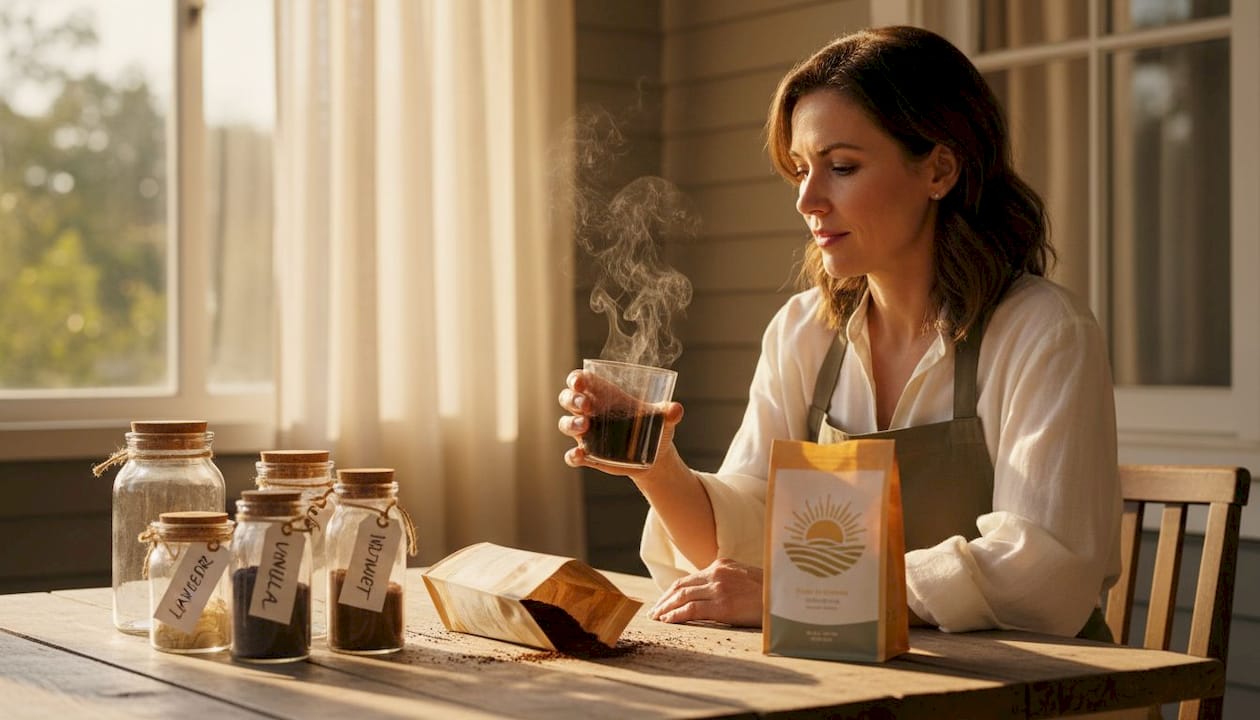
Training your nose matters as much as training your palate. Coffee contains over 1,000 aroma compounds, and learning to identify families of aromas separately from flavors is what separates developing tasters from advanced connoisseurs.
Coffee quality assessment and professional standards
Understanding coffee quality assessment means understanding the systems professionals use to make quality measurable and communicable. The Coffee Quality Institute (CQI) developed the Q Coffee System, the most recognized quality framework in specialty coffee. At its center is the Q Grader certification.
Q Graders must pass 19 rigorous exams covering olfactory recognition, cupping protocols, roast identification, and sensory skills. The first-time pass rate historically sits around 40%, which tells you something about the difficulty. This is not a weekend course. It’s a scientific credential that establishes a global quality language for coffee.
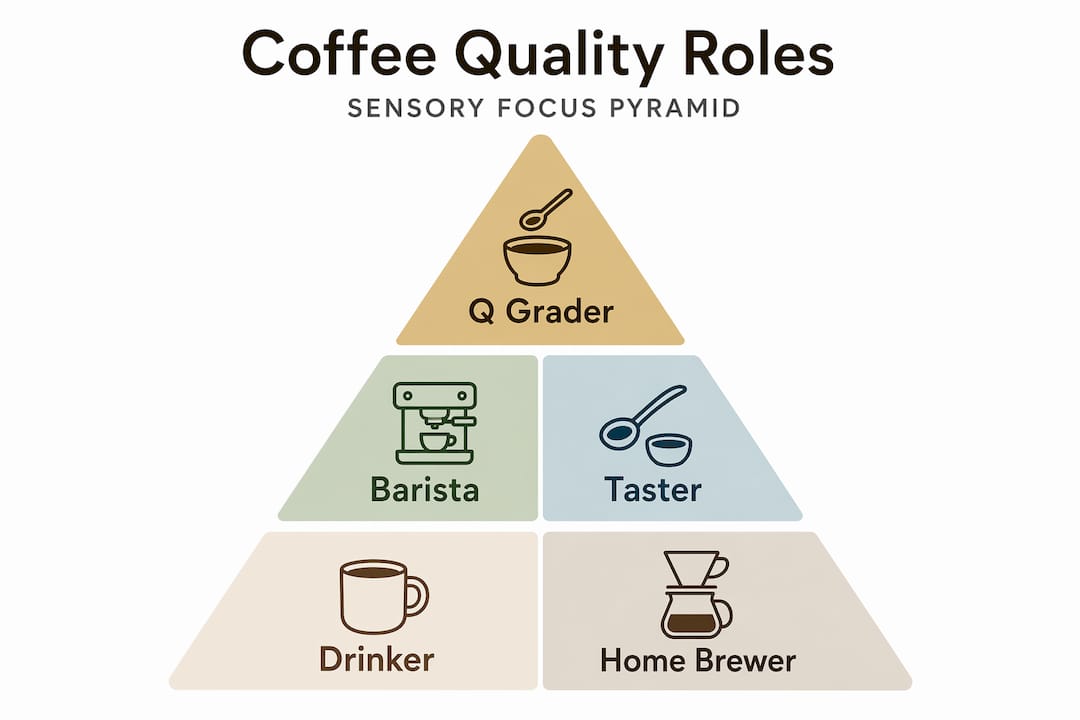
Here’s how different roles in the coffee world compare:
| Role | Primary focus | Sensory scope | Evaluation goal |
|---|---|---|---|
| Casual coffee drinker | Personal enjoyment | Subjective preference | None formal |
| Barista | Brewing execution | Extraction and texture | Consistency in service |
| Q Grader | Green and roasted bean evaluation | Olfactory and gustatory | Objective quality scoring |
| Coffee connoisseur (enthusiast) | Appreciation and understanding | Trained but informal | Deepened enjoyment and knowledge |
Q Graders act as quality control specialists in the supply chain, working across farms, exporters, roasters, and importers to verify quality standards. Their work enforces transparency that benefits everyone from producers to end consumers.
Professional sensory competition takes this further. The World Cup Tasters Championship tests elite tasters on their ability to identify the “odd cup” in a set of three under time pressure, requiring rapid and accurate detection of subtle flavor differences. It’s the Olympics of coffee tasting skills, and it demonstrates just how precise the human palate can become with proper training.
The cultural significance of becoming a coffee connoisseur
Coffee connoisseurship is not just a technical exercise. It’s a gateway to human stories told through a cup. When you can taste the difference between a naturally processed Ethiopian Yirgacheffe and a washed Guatemalan Huehuetenango, you’re connecting with two distinct agricultural traditions, two different approaches to fermentation and drying, and two communities whose livelihoods depend on the quality of their work.
Specialty coffee is becoming the baseline for quality expectations. More consumers now actively seek out origin transparency, small-batch freshness, and artisanal care because the experience is genuinely different. Connoisseurship amplifies that experience by giving you the tools to fully understand what you’re tasting.
The cultural and experiential dimensions of coffee appreciation include:
- Varietals and processing: Knowing that Gesha is a variety, not a processing method, and that natural processing creates fruit-forward profiles while washed processing produces cleaner, brighter cups
- Ritual and ceremony: Understanding how Ethiopian coffee ceremonies, Japanese siphon brewing traditions, and Italian espresso culture each express a distinct philosophy about time, hospitality, and quality
- Storytelling: Being able to connect a specific tasting note to a geographic region, elevation, or soil type transforms a cup of coffee into a conversation about place
- Community: Coffee connoisseurs form one of the most globally connected enthusiast communities, from local cupping clubs to international competitions
Continuous learning is built into real connoisseurship. The flavor profiles available in coffee are broader than wine, with processing variables alone creating dramatic differences even within a single origin.
Practical steps to develop your connoisseurship at home
You don’t need a professional lab to start building genuine coffee tasting skills. You need consistency, quality beans, and a system.
Start with a home cupping session using the SCA protocol described earlier. Even doing this once a week with two or three different coffees builds your sensory memory faster than daily casual drinking. The key is removing variables so you’re comparing coffees, not brewing methods.
When selecting beans, prioritize these details on the bag:
- Roast date: Freshness is non-negotiable. Aim for beans roasted within the past two to three weeks.
- Origin specifics: Country and region alone aren’t enough. Look for farm name, varietal, and processing method.
- Altitude: Higher altitude generally means denser beans with more complex acidity and flavor.
- Importer or direct trade note: This signals traceability and quality-focused sourcing.
Keep a tasting journal. Write down every coffee you try: origin, roast date, method, and what you detect in aroma and flavor at different temperatures. Taking notes enhances flavor recognition significantly over time because it forces you to commit to a description rather than letting impressions fade. Within three months of consistent journaling, most people see a measurable improvement in their ability to identify and articulate flavors.
Pro Tip: Try the same coffee brewed two different ways in the same session, for example, as a pour-over and as a French press. The difference in body and clarity will train your palate to isolate how extraction method shapes flavor, independent of the bean itself.
Finally, use your home sessions to explore unusual flavor profiles. Coffees with distinctive processing methods, age, or unique varietals like Variateacoffee’s Whiskey Barrel-Aged Coffee give your palate dramatically different data points to work with, which accelerates sensory development faster than sticking to familiar roast profiles.
My take: why connoisseurship changed the way I drink coffee
I’ll be honest. When I first started paying serious attention to coffee, I thought the language of tasting notes was performative. “Blueberry and jasmine in a coffee?” It sounded like something off a pretentious wine label.
What changed my mind was a cupping session where I tasted a naturally processed Ethiopian coffee blind, without knowing anything about it. I detected something unmistakably fruity and floral. When I broke the blind, it was confirmed: blueberry and jasmine were literally in the tasting notes. My palate had found them on its own. That moment reframed everything.
What I’ve learned is that connoisseurship isn’t about snobbery. It’s about attention. Most people drink coffee on autopilot. The sensory training required for real understanding of coffee flavors forces you to slow down and actually experience what’s in the cup. That’s the part that’s genuinely rewarding.
The misconception I encounter most is that you need formal credentials to be a connoisseur. You don’t. What you need is curiosity, consistency, and a willingness to be wrong about what you’re tasting. The Q Grader certification is a remarkable achievement, but the practice of careful, intentional tasting is something anyone can start today.
Coffee connoisseurship also connects people in ways I didn’t expect. Tasting alongside others, comparing notes, and disagreeing about whether that Ethiopian has more citrus or stone fruit turns out to be one of the more genuinely enjoyable social rituals I’ve found.
— Jonathan
Explore Variateacoffee for your connoisseurship practice
If you’re serious about developing real coffee tasting skills, you need coffee worth evaluating. Variateacoffee sources and crafts small-batch roasts with the kind of flavor complexity and origin clarity that makes every cupping session worthwhile.
Start with the Whiskey Barrel-Aged Coffee, a non-alcoholic roast aged in authentic charred oak barrels to develop deep notes of bourbon and vanilla. It’s the kind of profile that immediately challenges your palate to identify layered, unfamiliar sensory data, exactly what connoisseur training calls for. Every product ships roasted to order, so freshness is guaranteed. Explore the full Variatea Coffee and Tea collections and find the beans that push your palate furthest.
Here’s the brand’s own story in their words:
FAQ
What is coffee connoisseurship?
Coffee connoisseurship is the practice of evaluating coffee through disciplined sensory analysis, scientific knowledge, and cultural awareness. It goes beyond personal preference to encompass structured tasting methods, quality scoring systems, and an understanding of how origin, processing, and roasting affect flavor.
How is specialty coffee defined and scored?
Specialty coffee scores 80 or higher on the SCA’s 100-point scale, with tiers ranging from Very Good (80 to 84.99) to Outstanding (90 to 100). Trained Q Graders evaluate factors including aroma, acidity, body, sweetness, and defects to assign these scores.
What is coffee cupping and why does it matter?
Coffee cupping is a standardized tasting method that controls variables like grind size, water temperature (195 to 205°F), and coffee-to-water ratio to objectively compare coffees. It’s the core tool professionals use for coffee quality assessment and the best way for enthusiasts to build structured tasting skills at home.
Do I need certification to become a coffee connoisseur?
No formal certification is required to practice connoisseurship. Q Grader credentials are for professional evaluators in the supply chain. For enthusiasts, regular cupping sessions, flavor journaling, and learning the SCA Flavor Wheel are more than enough to develop a genuinely trained palate.
How long does it take to develop real coffee tasting skills?
With consistent weekly cupping sessions and flavor journaling, most enthusiasts notice meaningful improvement in their ability to detect and describe flavors within two to three months. Palate development is cumulative. Every session builds on the last, and the learning never fully plateaus.
Recommended
- Develop your coffee palate: unlock deeper flavor experiences – Variatea Coffee
- Coffee tasting workflow: Step-by-step guide for artisanal flavor – Variatea Coffee
- Unlock Coffee Cupping: Discover Artisan Flavors at Home – Variatea Coffee
- Coffee aroma: What it is and how to experience it – Variatea Coffee