

What is a coffee blend? Your guide to premium flavor
Most coffee enthusiasts assume single-origin beans are always superior, but that’s a myth. Coffee blends are carefully crafted to deliver complexity, balance, and consistency that single origins alone can’t achieve. Whether you’re new to specialty coffee or an experienced home brewer, understanding blends unlocks a world of flavor possibilities. This guide explains what coffee blends are, how roasters create them, and how you can experiment with blending techniques to elevate your daily brew. Let’s explore the art and science behind these gourmet flavor experiences.
Table of Contents
Key Takeaways
| Point | Details |
|---|---|
| Blend purpose and value | Coffee blends combine coffees from different origins to create a balanced, complex, and consistent flavor profile that single origins cannot match. |
| Blending methods overview | Roasters employ two main approaches, pre blending for uniform roast and post blending to maximize each origin’s potential. |
| Espresso ratio guidelines | Espresso blends typically use sixty to seventy percent base for body, twenty to thirty percent accent for brightness, and ten to fifteen percent aromatic notes for depth. |
| Home brewer experimentation | Home brewers can experiment with small test batches to learn how different origin combinations affect body acidity and aroma. |
What is a coffee blend and why does it matter?
A coffee blend is a mixture of two or more coffees from different origins, countries, regions or farms, combined to create a balanced, consistent, and complex flavor profile. This definition challenges the common misconception that blends represent inferior quality. In reality, skilled roasters use blending to achieve flavor combinations impossible with single-origin beans alone.
The purpose of blending goes beyond simple mixing. Roasters combine beans with complementary characteristics to balance body, acidity, sweetness, and aroma. A bright, acidic Ethiopian coffee might pair with a full-bodied Brazilian bean to create a rounded cup. A nutty Colombian base could enhance a fruity Kenyan coffee. These strategic combinations produce flavor depth that single origins can’t match.
Blends also deliver consistency across seasons and harvests. Coffee is an agricultural product subject to natural variation. By adjusting blend ratios when one origin changes slightly, roasters maintain the flavor profile you expect. This reliability matters for daily drinkers who want their morning cup to taste the same month after month.
Artisanal roasters approach blending as a craft. They consider:
-
Base notes that provide body and sweetness
-
Accent notes that add brightness or fruity complexity
-
Aromatic components that enhance fragrance and finish
-
Roast compatibility to ensure even development
Variatea Coffee’s Max Caf Blend exemplifies this philosophy, combining multiple origins to deliver bold flavor and high caffeine content without sacrificing balance. The result is a gourmet experience that showcases what premium blending can achieve.
How are coffee blends made? Understanding blending methods
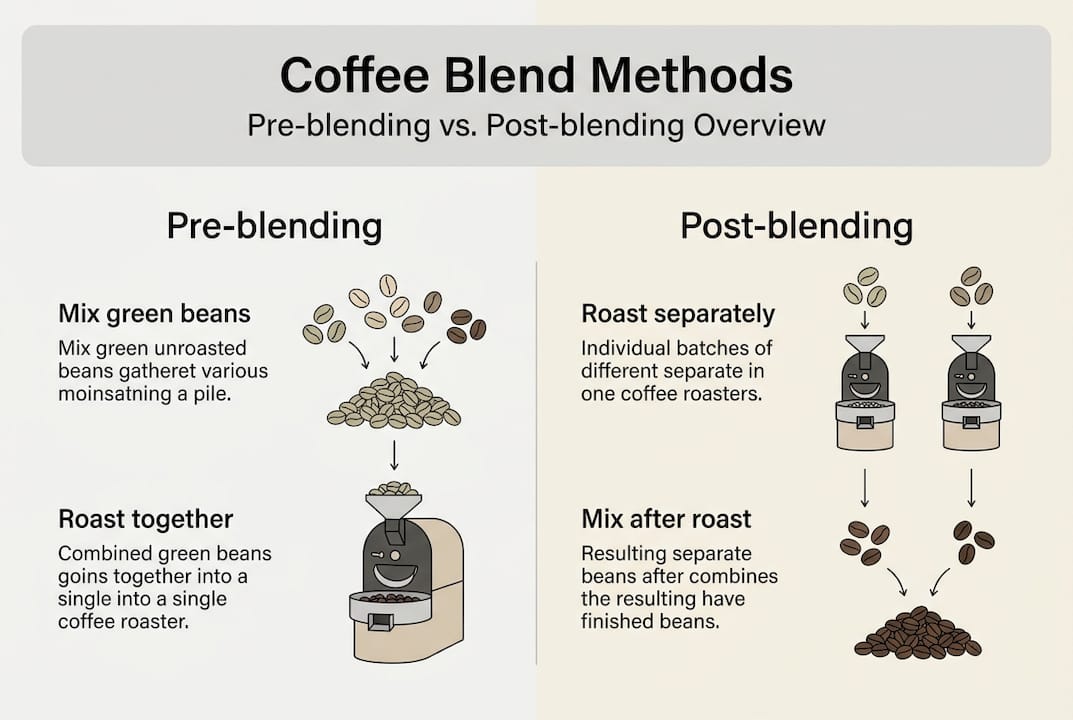
Roasters use two distinct approaches to create coffee blends, each with specific advantages for flavor development. Two main methodologies: Pre-blending (mix green beans, roast together) for uniform roast; Post-blending (roast each separately to optimal, then mix) preferred for specialty to maximize individual potentials. Understanding these methods helps you appreciate the craft behind your cup.
Pre-blending involves mixing green coffee beans from different origins before roasting. The combined beans roast together in a single batch. This method works best when all beans have similar density and moisture content, allowing them to develop evenly. Pre-blending creates uniformity and can be more efficient for large-scale production. However, it limits the roaster’s ability to optimize each origin individually.
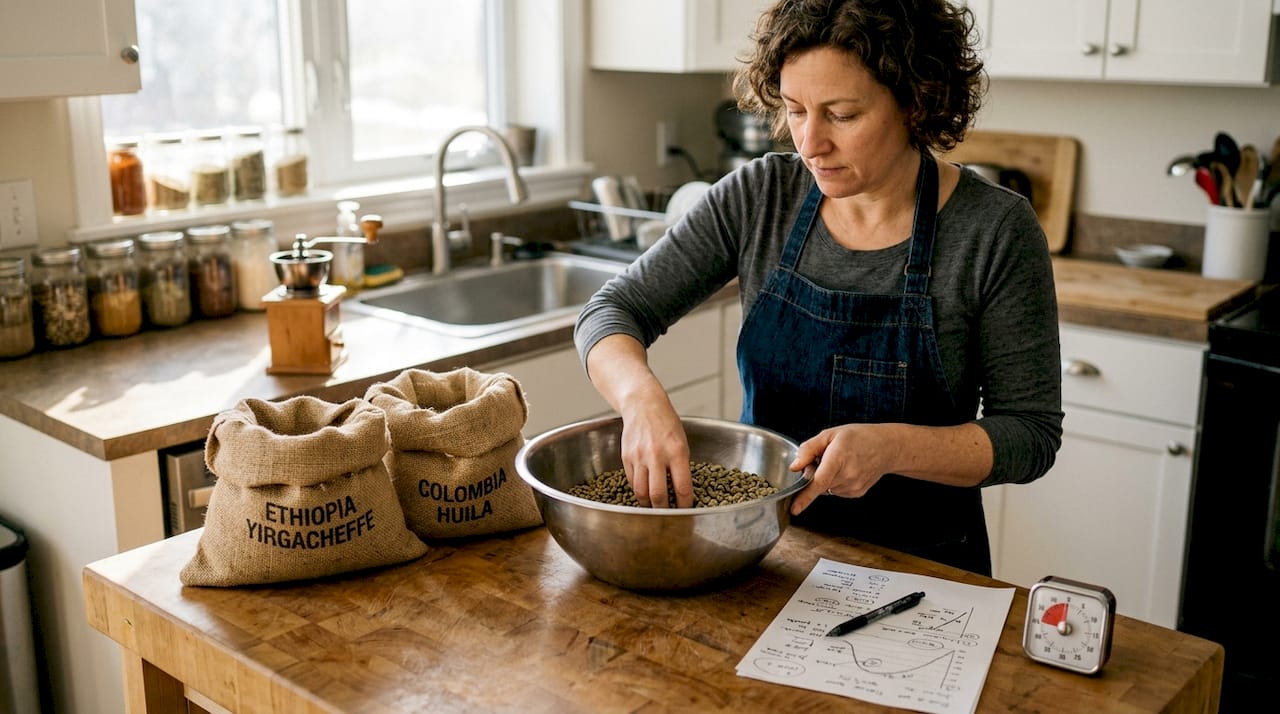
Post-blending takes a different approach. Roasters develop each origin separately to its ideal roast level, then mix the roasted beans in precise ratios. This method dominates specialty coffee because it maximizes each bean’s potential. A delicate Ethiopian coffee might need a light roast to preserve floral notes, while a Brazilian bean benefits from medium development for chocolate sweetness. Post-blending lets roasters showcase both.
| Method | Process | Best For | Flavor Impact |
|---|---|---|---|
| Pre-blending | Mix green beans, roast together | Similar density beans, efficiency | Uniform development, blended character |
| Post-blending | Roast separately, mix after | Specialty coffee, complexity | Individual origin characteristics shine |
Espresso blends typically follow specific composition strategies:
-
60-70% base (Brazilian, Colombian) for body and sweetness
-
20-30% accent (Ethiopian, Kenyan) for brightness and fruit notes
-
10-15% aromatic (Sumatran, aged beans) for depth and finish
Roasters continuously refine their blends through cupping sessions. They taste each batch, evaluate balance, and adjust ratios based on seasonal crop variations. When a Guatemalan harvest tastes slightly different this year, the roaster might increase it from 25% to 30% to maintain the target flavor profile. This ongoing optimization ensures consistency.
Variatea Coffee’s Breakfast Blend demonstrates post-blending mastery, with each origin roasted to highlight its best qualities before careful combination. The Max Caf Blend uses similar precision to deliver both high caffeine and complex flavor. For deeper technical insights, explore this coffee blends overview from industry professionals.
Pro Tip: When buying blends, ask roasters about their blending method. Post-blended specialty coffees typically indicate higher quality and more thoughtful flavor development than pre-blended commodity options.
Crafting premium blends: expert tips and home brewing applications
Creating exceptional coffee blends requires both technical knowledge and sensory skill. Premium blends start with specialty-grade beans scoring 80+ points on the Specialty Coffee Association scale. These high-quality beans ensure your blend has a solid foundation. Never use defective or low-grade coffee, the flaws will amplify rather than disappear in the mix.
For home brewers: Experiment with post-roast blending using scales for ratios; cup at different temps/brews; blends excel in espresso/milk (forgiving), single-origins in pour-over (clarity). This expert guidance reveals why understanding your brewing method matters when selecting or creating blends. Espresso and milk-based drinks benefit from blends because the pressure extraction and dairy addition create forgiving conditions where balanced complexity shines. Pour-over methods favor single origins when you want to highlight specific terroir characteristics with clarity.
To experiment with blending at home, follow these steps:
-
Purchase 2-3 single-origin roasted coffees with complementary flavor profiles (one bright and fruity, one sweet and balanced, one full-bodied)
-
Use a digital scale to measure precise ratios, starting with 50/50 or 60/30/10 splits
-
Grind and brew small test batches (15-20 grams total) using your preferred method
-
Cup at multiple temperatures to evaluate how flavors develop from hot to cool
-
Take detailed notes on each ratio’s body, acidity, sweetness, and finish
-
Adjust ratios in 5-10% increments based on your taste preferences
-
Repeat testing until you find your ideal balance
Seasonal adjustments keep your blends tasting fresh and complex. Coffee harvests vary year to year based on weather, processing, and farming practices. When your favorite Ethiopian coffee tastes slightly more floral this season, reduce its percentage by 5% to maintain balance. When a Brazilian crop develops extra sweetness, increase it to enhance the blend’s chocolate notes. This ongoing refinement mirrors what professional roasters do.
Conducting proper cupping tests elevates your blending skills. Set up multiple cups with different ratios side by side. Use the same grind size, water temperature, and brew time for fair comparison. Taste each systematically, noting differences in aroma, flavor intensity, body, and aftertaste. This structured approach reveals subtle distinctions that casual tasting might miss.
Variatea Coffee’s 6 Bean Blend showcases advanced blending with six distinct origins working in harmony. The Holiday Blend demonstrates seasonal blending expertise, crafted specifically for festive flavor profiles. Both exemplify how premium blends can deliver complexity that rewards careful tasting.
Pro Tip: Start your blending experiments with beans from the same roast level (all medium, for example) to isolate flavor differences rather than roast variations. Once you master flavor balancing, experiment with mixing roast levels for added complexity.
Discover artisanal coffee blends at Variatea Coffee
Now that you understand the craft behind premium blends, it’s time to experience them firsthand. Variatea Coffee specializes in artisanal blends that showcase the complexity and balance discussed throughout this guide. Our 6 Bean Blend combines six carefully selected origins for a truly unique flavor journey, while our Max Caf Blend delivers bold taste with maximum caffeine for adventurous brewers.

Every blend uses specialty-grade beans roasted in small batches to ensure freshness and quality. Whether you prefer whole beans for home grinding or the convenience of single serve coffee capsules, Variatea Coffee brings gourmet flavor experiences to your daily routine. Explore our collection and discover why variety truly is the spice of life.
What is a coffee blend? Frequently asked questions
What distinguishes coffee blends from single-origin coffee?
Coffee blends combine beans from multiple origins, regions, or farms to create balanced complexity and consistency. Single-origin coffee comes from one specific location, showcasing unique terroir characteristics. Blends prioritize harmony and reliability, while single origins highlight distinctive regional flavors.
Are blends lower quality than single-origin coffee?
No, this is a common misconception. Premium blends use specialty-grade beans and require significant roasting expertise to balance multiple origins successfully. Quality depends on bean selection and roasting skill, not whether coffee is blended or single-origin. Many award-winning espressos are carefully crafted blends.
How can I make my own coffee blend at home?
Purchase 2-3 roasted single-origin coffees with complementary profiles. Use a digital scale to measure precise ratios, starting with simple 50/50 or 60/40 splits. Brew small test batches, take detailed tasting notes, and adjust ratios in 5-10% increments until you achieve your desired balance. Post-roast blending gives you complete control over the final flavor.
Why do some blends taste more consistent over time?
Roasters adjust blend ratios when individual origins vary between harvests. If one component tastes slightly different this season, they increase or decrease its percentage to maintain the target flavor profile. This ongoing optimization compensates for natural agricultural variation, ensuring your favorite blend tastes familiar year-round.
What common coffee origins are mixed in blends and why?
Brazilian and Colombian beans provide sweet, nutty base notes with full body. Ethiopian and Kenyan coffees add bright acidity and fruity complexity. Sumatran and aged beans contribute earthy depth and aromatic finish. Roasters combine these complementary characteristics to create balanced profiles that showcase multiple flavor dimensions in a single cup.