

What Is Artisan Coffee? Characteristics and Flavor Guide
TL;DR:
- Artisan coffee emphasizes small-batch roasting, transparency, and craftsmanship to produce superior flavor and freshness. It involves deliberate brewing, ethical sourcing, and respecting origin characteristics, setting it apart from mass-produced coffee. Choosing fresh, well-sourced beans and employing manual brewing methods enhances the true complexity of artisan coffee.
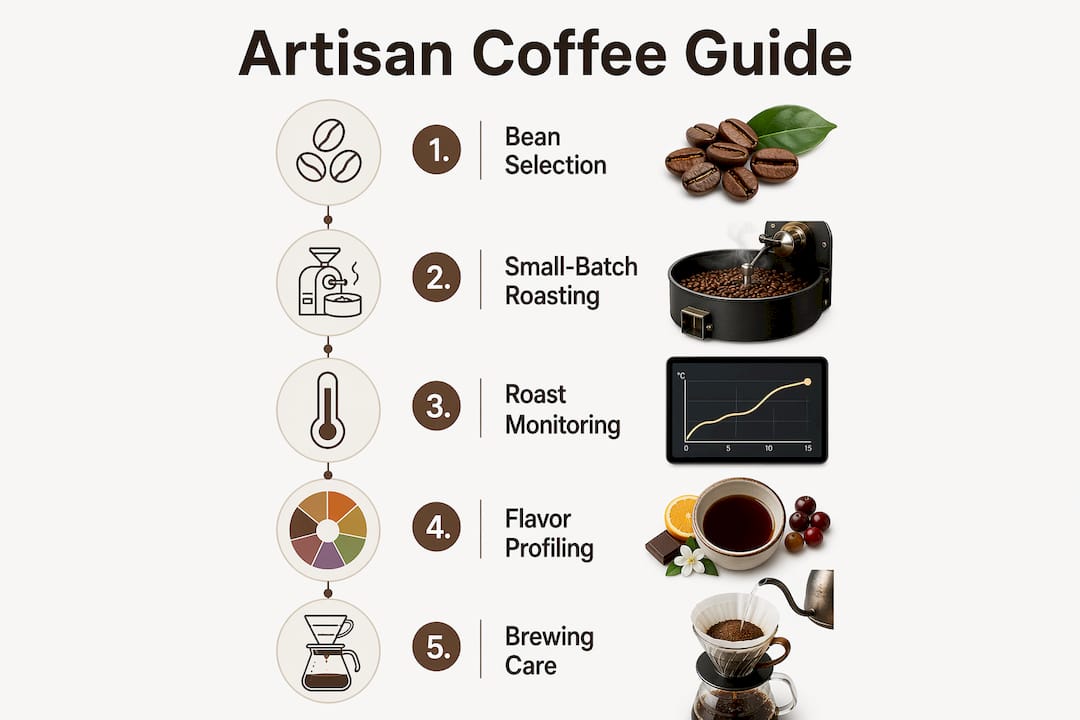
Artisan coffee is defined as coffee crafted with exceptional attention to quality at every stage, from handpicked bean selection through small-batch roasting to deliberate, skilled brewing. The industry term most closely aligned with this practice is specialty coffee, though artisan coffee places even greater emphasis on the roaster’s and brewer’s individual craftsmanship. What separates artisan coffee from the bag on a grocery store shelf is not just price or packaging. It is a commitment to origin transparency, processing integrity, and flavor complexity that mass production simply cannot replicate. If you have ever tasted a cup that surprised you with notes of stone fruit, dark chocolate, or toasted caramel, you have already experienced what artisan coffee is capable of.
What makes coffee artisan: essential characteristics
Artisan coffee is not a certified category with a single governing body. It is defined by a cluster of practices that together produce a cup with measurably superior flavor, freshness, and traceability. Understanding those practices tells you exactly what to look for when choosing a bag.
The core characteristics of artisan coffee include:
- Small-batch roasting. Artisan roasters work in small quantities, typically under 30 pounds per batch, allowing precise temperature control and real-time monitoring. Industrial roasters process hundreds of pounds at once, prioritizing consistency over nuance.
- Premium Arabica bean selection. Most artisan producers use hand-selected Arabica beans sourced from specific farms or cooperatives. Arabica offers a wider flavor range than Robusta, with natural sweetness and complex acidity.
- Intentional roast profiling. Roast levels are chosen to preserve or enhance the bean’s origin character rather than to standardize flavor across batches.
- Defined processing methods. Washed, natural, and honey processing each produce distinct flavor outcomes. Artisan producers select and disclose their processing method because it directly shapes what ends up in your cup.
- Ethical and traceable sourcing. Artisan producers actively engage small farms and sustainable methods to support quality and social responsibility, including fair trade and organic farming practices.
- Flavor diversity from terroir. Elevation, soil, rainfall, and microclimate all influence bean character. Artisan coffee celebrates these differences rather than blending them away.
Pro Tip: When evaluating any artisan coffee, look for a roast date on the bag, not just a “best by” date. A roast date tells you the producer values freshness enough to be transparent about it.
The contrast with commercial coffee is stark. A commodity blend is designed to taste the same every time, regardless of origin or season. An artisan coffee is designed to taste like exactly where and how it was grown.
How roasting shapes artisan coffee flavor profiles
Roasting is where raw green beans are transformed into the aromatic, complex product you grind and brew. The chemical reactions during roasting, including the Maillard reaction and caramelization, develop hundreds of flavor compounds. The roaster’s skill lies in knowing when to stop.
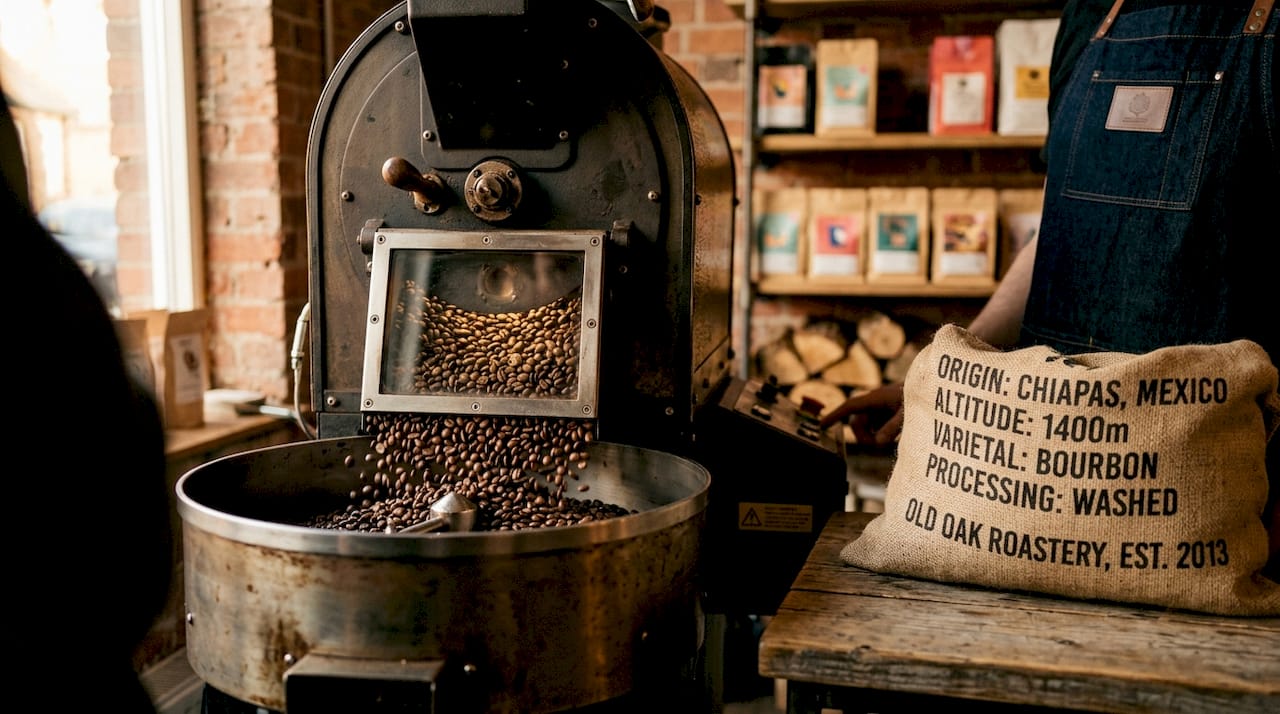
Lighter roasts highlight complex acidity and fruit character, while darker roasts shift the profile toward smoky, bitter, and roast-forward notes. This is not a matter of preference alone. It is a deliberate craft decision that reflects the bean’s origin potential.
| Roast level | Flavor profile | Best for |
|---|---|---|
| Light | Bright acidity, floral, citrus, stone fruit | Pour-over, Chemex, single-origin showcasing |
| Medium | Balanced sweetness, caramel, mild acidity | Drip brewing, AeroPress, everyday drinking |
| Medium-dark | Rich body, chocolate, toasted nuts | French press, espresso-style brewing |
| Dark | Bold, smoky, low acidity, roast-forward | Cold brew, espresso blends |
Artisan roasters monitor bean color, smell, and sound throughout the roast cycle. The first crack and second crack are audible markers that indicate specific internal temperatures and structural changes in the bean. Missing these cues by even 30 seconds can push a delicate Ethiopian Yirgacheffe from bright and floral into flat and bitter.
Pro Tip: If you want to taste the true character of a single-origin bean, start with a light or medium roast. Darker roasts are excellent, but they tell you more about the roasting process than the farm where the bean was grown.
Artisan blends take a different approach. Expert roasters combine beans from different regions to craft balanced and complex flavors, selecting each component for what it contributes to the whole. This is fundamentally different from commodity blending, which prioritizes cost and volume over flavor architecture.
How to brew artisan coffee for maximum flavor
Brewing artisan coffee well requires the same intentionality that went into growing and roasting it. The deliberate, slower extraction of manual methods like pour-over, French press, and AeroPress is what separates artisan brewing from pushing a button on an automatic drip machine.
Here is a practical framework for brewing artisan coffee at home:
- Grind fresh, every time. Grind your beans immediately before brewing. Pre-ground coffee loses volatile aroma compounds within minutes of grinding. A burr grinder produces a consistent particle size that extracts evenly.
- Use filtered, mineral-balanced water. The Specialty Coffee Association’s Golden Cup Standard defines optimal water parameters including TDS, calcium hardness, pH, and chlorine levels to avoid off-flavors and maximize balance. Tap water with high chlorine or alkalinity will suppress the very flavors you paid for.
- Brew within the freshness window. Volatile aroma compounds degrade rapidly after roasting, and optimal flavor is achieved when beans are used within approximately 2 to 4 weeks post-roast. Buy in smaller quantities more frequently rather than stocking up.
- Control your brew ratio. A starting ratio of 1:15 (one gram of coffee to 15 grams of water) works well for most manual methods. Adjust from there based on your taste preference and the specific roast level.
- Slow down the pour. For pour-over methods, a slow, circular pour allows even saturation and controlled extraction. Rushing the pour creates channeling, where water finds the path of least resistance and under-extracts most of the bed.
Pro Tip: Small differences in water chemistry can overwhelm subtle origin flavors. If your artisan coffee tastes flat or harsh, try switching to filtered or bottled water with a neutral pH before adjusting your grind or ratio.
The brewer’s role in artisan coffee is not passive. Every variable, including grind size, water temperature, pour speed, and brew time, is a lever that changes what ends up in the cup. That level of control is exactly what makes artisanal brewing techniques so rewarding to learn.
Why choose artisan coffee over commercial alternatives
The case for artisan coffee goes beyond flavor, though flavor alone is a compelling argument. There are concrete, practical reasons why more coffee drinkers are making the switch.
- Flavor complexity you cannot find elsewhere. Commercial coffee is engineered for consistency. Artisan coffee is crafted for character. A single-origin Guatemalan washed coffee and a natural-processed Ethiopian are as different from each other as a Pinot Noir is from a Cabernet Sauvignon.
- Freshness that changes the experience. Roast-to-order small batches preserve the aromatic compounds that make coffee smell and taste alive. Most grocery store coffee was roasted months before you open the bag.
- Ethical sourcing with real accountability. Artisan producers support fair trade sourcing, organic farming, and biodiversity, creating direct relationships with farmers rather than buying through anonymous commodity markets.
- Transparency you can verify. Quality artisan coffee discloses origin, processing method, roast date, and recommended brewing parameters. That level of detail defines cup clarity and flavor development in practice.
- A more mindful daily ritual. Artisan coffee is more than a product. It is a sensory and mindful experience that rewards attention and curiosity. The ritual of grinding, brewing, and tasting becomes part of the value.
One nuance worth knowing: not every coffee labeled “artisan” earns the title. Highly experimental processing styles can sometimes mask a bean’s true terroir, and transparency and traceability remain critical to trusting any artisan claim. Look for producers who show their work.
Key takeaways
Artisan coffee delivers superior flavor, freshness, and ethical accountability because it prioritizes craftsmanship and origin transparency at every stage from farm to cup.
| Point | Details |
|---|---|
| Artisan coffee definition | Coffee made with small-batch roasting, premium beans, and deliberate brewing focused on flavor complexity. |
| Roast level matters | Light roasts highlight origin character; darker roasts emphasize body and roast notes. Choose based on bean origin. |
| Freshness is non-negotiable | Use beans within 2 to 4 weeks of roasting to preserve volatile aroma compounds and full flavor. |
| Water quality changes everything | Filtered, mineral-balanced water per SCA Golden Cup standards prevents off-flavors from masking origin character. |
| Ethical sourcing is part of the product | Artisan producers support fair trade and sustainable farming, making your purchase a direct investment in quality and accountability. |
Why artisan coffee changed how I think about brewing
I spent years treating coffee as fuel. The shift happened when I tasted a light-roasted Kenyan single-origin brewed on a simple pour-over setup. Nothing about that cup was complicated. What was different was the intention behind every decision that produced it.
The insight that changed my approach most was understanding that origin shapes flavor in ways no roaster can manufacture. A bean grown at 2,000 meters in Ethiopia carries natural acidity and floral notes that no amount of blending or flavoring can replicate. When you buy artisan coffee, you are buying a specific place and moment in time. That realization makes you want to brew it properly.
Most people who are disappointed by artisan coffee at home are using water straight from the tap or grinding beans they bought three months ago. The coffee is not the problem. The setup is. Fixing those two variables costs almost nothing and produces a dramatic improvement.
The other thing I would push back on is the idea that artisan coffee requires expensive equipment. A $30 hand grinder and a $15 pour-over dripper, combined with fresh beans and filtered water, will outperform a $300 automatic machine using stale pre-ground coffee every single time. Craftsmanship is about attention, not gear.
— Jonathan
Discover artisan coffee worth brewing at Variateacoffee

Variateacoffee is built for the kind of drinker who wants more than a caffeine fix. Every product in the collection reflects the same principles covered in this article: small-batch production, intentional flavor development, and sourcing you can actually trace. The Whiskey Barrel Aged Coffee is a standout example, a roast aged in authentic charred oak barrels that delivers deep, smoky notes of bourbon and vanilla without a drop of alcohol. It is the kind of flavor profile that simply does not exist in a standard grocery aisle. Explore the full coffee and tea collection to find your next favorite brew, roasted to order and shipped fresh.
{% youtube mTyQWuYcg_k %}
FAQ
What is the artisan coffee definition?
Artisan coffee is coffee produced with exceptional craftsmanship, using small-batch roasting, premium hand-selected beans, and deliberate brewing methods that prioritize flavor complexity and origin transparency over mass-market consistency.
What makes coffee artisan vs. specialty coffee?
Specialty coffee is a certified grade requiring a score of 80 or above on the SCA scale. Artisan coffee is a broader term emphasizing the roaster’s and brewer’s individual craftsmanship, small-batch production, and intentional flavor development, which often overlaps with specialty coffee but is not formally scored.
What are the main types of artisanal coffee?
The main types include single-origin coffees showcasing one farm or region, artisan blends combining beans from multiple origins for balance and complexity, and process-forward coffees where washed, natural, or honey processing defines the flavor profile.
How do I brew artisan coffee at home?
Grind fresh beans immediately before brewing, use filtered water with a neutral pH, follow a 1:15 coffee-to-water ratio, and brew within 2 to 4 weeks of the roast date. Manual methods like pour-over or French press give you the most control over extraction.
Why does roast date matter for artisan coffee?
Volatile aroma compounds degrade rapidly after roasting, and peak flavor is achieved when beans are used within approximately 2 to 4 weeks post-roast. A bag without a roast date is a bag you cannot evaluate for freshness.