

Explore Unique Types of Chocolate Coffee for Bold Flavor
TL;DR:
- Chocolate coffee varies based on bean, brew, or add-in chocolate, with diverse flavor profiles.
- Classic options like mochas are evolving through artisanal blends, infusions, and seasonal limited editions.
- Exploring flavor layers and rare varieties enhances understanding and personalization of chocolate coffee.
Ordering a “chocolate coffee” sounds simple until you realize how wildly different the options actually are. A gas station mocha and a single-origin cacao-infused cold brew share a label but almost nothing else. If you’re the kind of person who reads the tasting notes on a bag of beans, you already know the difference matters. This guide is built for you. We’re going to break down the full spectrum of chocolate coffee varieties, from classic mochas to barrel-aged artisanal blends, give you a practical framework for choosing, and point you toward some genuinely exciting options you probably haven’t tried yet.
Table of Contents
- What makes a chocolate coffee: Selection criteria for flavor seekers
- Classic chocolate coffee varieties: From mochas to mochas reborn
- Artisanal and specialty chocolate coffee blends: Small-batch and infused innovation
- Unusual and limited edition chocolate coffee: Seasonal finds and gourmet surprises
- Why adventurous palates should embrace chocolate coffee diversity
- Discover your next chocolate coffee adventure with Variatea Coffee
- Frequently asked questions
Key Takeaways
| Point | Details |
|---|---|
| Diverse chocolate coffee styles | Classic, artisanal, and seasonal flavors each offer different experiences for coffee lovers. |
| Flavor layering matters | The origin of beans and type of chocolate chosen greatly affect your cup’s complexity. |
| Artisan blends elevate taste | Small-batch and infused chocolate coffees feature unique ingredients for adventurous palates. |
| Home experimentation | Trying new blends at home lets you customize strength, sweetness, and flavor notes. |
What makes a chocolate coffee: Selection criteria for flavor seekers
Not all chocolate coffees are built the same. The term covers a wide range, from a simple shot of espresso with chocolate syrup stirred in, to a carefully crafted blend where cacao-forward beans are roasted to coax out natural cocoa notes without adding anything at all. Understanding what you’re working with is the first step to finding what excites your palate.
At the most basic level, chocolate coffee means any coffee that incorporates chocolate flavor at one of three stages: the bean, the brew, or the add-in. Bean-level chocolate comes from the coffee’s natural flavor compounds, often found in beans from Ethiopia, Colombia, or Peru. Brew-level chocolate happens when cocoa powder, cacao nibs, or chocolate liqueur are introduced during the brewing process. Add-in chocolate is the most common approach, using syrups, melted chocolate, or flavored creamers after the fact.
Once you understand where the chocolate lives in your cup, the next step is identifying the type. Coffee flavor profiles shift dramatically depending on whether the cocoa element is dark, milk, or white chocolate-based:
- Dark chocolate infusions bring bitterness, depth, and earthy tannins, pairing beautifully with bold espresso roasts.
- Milk chocolate infusions are sweeter, creamier, and more approachable, working well with medium roasts and lattes.
- White chocolate infusions lean into vanilla, sugar, and a silky mouthfeel, best matched with light roasts or cold brew.
Beyond the chocolate type, pay attention to four key criteria when evaluating any chocolate coffee:
- Bean origin: Ethiopian beans carry floral and fruit notes that contrast cocoa. Brazilian beans bring nutty warmth that complements it.
- Roast profile: Dark roasts amplify bitterness; medium roasts let sweetness shine.
- Infusion method: Ground-in cocoa stays subtle. Syrup-based additions are bold and immediate.
- Texture and finish: A great chocolate coffee lingers. Notice whether the aftertaste is clean, sweet, or slightly smoky.
As flavor layering in coffee shows, the interplay between these factors is what separates a forgettable drink from something genuinely memorable. Flavor profiles in chocolate coffee blends depend on bean origin and chocolate infusion technique, which is why two mochas from different shops can taste like completely different beverages.
Pro Tip: Pair dark chocolate coffee with buttery shortbread or almond biscotti. The fat content in the baked good softens the bitterness and makes both the food and the coffee taste more complex.
Classic chocolate coffee varieties: From mochas to mochas reborn
With flavor criteria in mind, let’s start with the classics and see how new techniques have elevated beloved chocolate coffee options.
The mocha is the foundation of chocolate coffee culture. In its most traditional form, classic coffee blends like the mocha combine espresso, steamed milk, and chocolate for a balanced, approachable flavor profile. It’s familiar for a reason. The bitterness of espresso, the sweetness of chocolate, and the creaminess of milk create a triangle of flavors that genuinely works.
But stop there and you’re missing a lot. Here’s what the world of classic chocolate coffee actually looks like:
- Traditional mocha: Espresso, chocolate sauce, steamed milk. Sweet, bold, and creamy.
- White chocolate mocha: Swaps dark for white chocolate, delivering a sweeter, almost dessert-like cup with vanilla undertones.
- Mexican chocolate coffee: Adds ground cinnamon and a pinch of cayenne for a warm, spicy kick that wakes up the whole drink.
- Viennese mocha: Topped with sweetened whipped cream instead of foam, creating a richer, more indulgent texture.
- Italian caffè mocha: Often made with real melted dark chocolate, not syrup, giving it a thicker, more intense cocoa presence.
“The best classic mochas treat chocolate as an equal partner to espresso, not a sweetener hiding behind it.”
The real shift happens when you start customizing these at home. Explore small-batch coffee picks to find beans that carry natural chocolate notes, and you’ll find your mocha has depth you didn’t add with a single drop of syrup. Try blending two chocolate types, like a white chocolate base with a dark chocolate drizzle, for layered contrast.
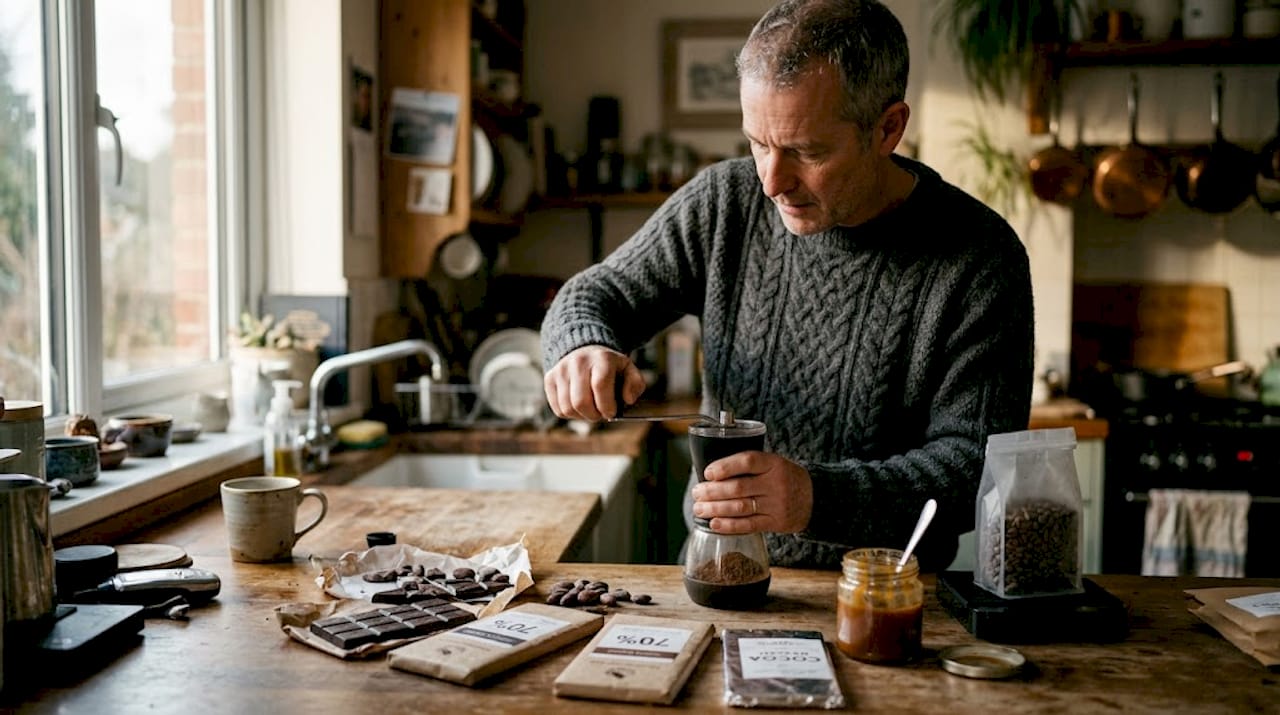
If you want to experiment further, look into pairing with confections to understand how the right chocolate pairing outside your cup changes how you perceive the drink inside it. A square of 70% dark chocolate eaten before a mocha makes the coffee taste smoother and more complex.
Pro Tip: Add a few shavings of high-quality artisan chocolate directly to the top of your steamed milk before you pour your espresso. As the chocolate melts, it creates a natural, uneven swirl of flavor that no syrup can replicate.
Artisanal and specialty chocolate coffee blends: Small-batch and infused innovation
Moving from timeless classics, it’s time to discover where creativity and craftsmanship redefine chocolate coffee for the adventurous palate.
Artisanal chocolate coffee is not just chocolate coffee with better packaging. What separates it is intentionality. Best artisanal coffees often combine rare cacao with premium coffee beans, offering layered aromas that mass-produced blends simply cannot achieve. The roaster makes decisions about bean origin, cacao source, and infusion method that work together instead of competing.
Some of the most exciting formats in this space include single-origin chocolate coffees, barrel-aged blends, and caramel-chocolate infusions. Each brings something distinct to the table. Coffee blending techniques can involve aging green or roasted beans alongside cacao shells or even in cacao-treated barrels.
| Blend type | Tasting notes | Best brewing method |
|---|---|---|
| Single-origin Colombian + dark cacao | Blackberry, bittersweet cocoa, mild acidity | Pour-over or Chemex |
| Whiskey barrel-aged chocolate | Smoky vanilla, dark chocolate, caramel | French press or drip |
| Ethiopian natural + cacao nib infused | Blueberry, milk chocolate, floral finish | AeroPress or espresso |
| Brazilian + caramel-cocoa blend | Nutty, milk chocolate, smooth finish | Moka pot or cold brew |
Here’s how to taste-test specialty blends at home and get the most out of each cup:
- Brew it black first. Before adding anything, taste the coffee alone. Note any natural chocolate, fruity, or nutty qualities.
- Identify the baseline. Is it bitter, sweet, acidic, or balanced? This tells you what the chocolate will do to it.
- Add chocolate in stages. Start with a small amount of your chosen cocoa addition and increase slowly.
- Compare temperatures. Taste hot, then let it cool to 130°F. Flavor compounds reveal differently as temperature drops.
- Write it down. A simple tasting note (three words or less) helps you remember what worked and what to try next.
Sourcing matters more than most people realize. A cacao grown in Madagascar tastes nothing like one grown in Ecuador, and that difference carries directly into your cup.
Unusual and limited edition chocolate coffee: Seasonal finds and gourmet surprises
Beyond the world of everyday chocolate coffee lies a world of surprises for those who seek rare or seasonal cups with a twist.
Seasonal and limited edition chocolate coffees have become one of the most exciting areas of the specialty coffee world. Limited edition blends can feature unique pairings like peppermint, orange zest, or chili, turning a familiar base into something completely unexpected. Demand is growing fast. Specialty coffee retailers consistently report that seasonal coffee releases sell out faster than standard offerings, with limited runs often gone within days of launch.
Some current and trending seasonal varieties worth hunting for:
- Peppermint dark mocha: A holiday staple with cooling mint cutting through rich cocoa.
- Cherry chocolate espresso blend: Inspired by the classic flavor pairing of Black Forest cake.
- Gingerbread mocha: Warm spice notes layered beneath chocolate for a cozy, bakery-style cup.
- Orange zest dark chocolate pour-over: Bright citrus against bittersweet cocoa, often found as a winter single-origin release.
Beyond seasonal drops, global chocolate-coffee hybrids deserve serious attention:
| Variety | Origin/inspiration | What makes it unique |
|---|---|---|
| Aztec chocolate coffee | Pre-Columbian tradition | Chili, cinnamon, and bitter cacao, no sugar |
| Japanese matcha-cocoa blend | Japanese fusion culture | Earthy, grassy, and sweet in equal measure |
| Dubai Chocolate Coffee | Luxury Middle Eastern confection | Toasted nuts, smooth cocoa, decadent finish |
| Peruvian dark cacao blend | High-altitude cacao sourcing | Fruity, intense, and deeply complex |
To find these rare releases, follow roasters directly on social media, sign up for small-batch newsletters, and check specialty e-commerce stores regularly. At home, you can experiment by adding a pinch of chili powder, cardamom, or dried orange peel to your standard chocolate coffee for a quick DIY version of global-inspired flavor.
Why adventurous palates should embrace chocolate coffee diversity
Here’s something the coffee industry doesn’t say often enough: most people stop exploring too early. They find one chocolate coffee they like and repeat it indefinitely, which is the flavor equivalent of only ever reading one book.
The real value of chocolate coffee diversity is what it teaches you about your own palate. When you move from a white chocolate mocha to a barrel-aged dark cacao blend, you don’t just taste something different. You start to understand why you prefer what you prefer. That’s a completely different kind of enjoyment.
We believe mastering coffee flavor layering is what separates a passive coffee drinker from someone who genuinely loves the craft. Chocolate coffee, more than almost any other category, rewards experimentation. The combinations of bean, roast, chocolate type, and add-in are nearly limitless. The future of this space is personal. Not a house blend someone else designed, but a cup you’ve tuned to your exact taste through curiosity and a willingness to try something unfamiliar. That’s where real enjoyment lives.
Discover your next chocolate coffee adventure with Variatea Coffee
Ready to put your chocolate coffee knowledge into action? At Variatea Coffee, we’ve built our entire lineup around the idea that variety is the point. Whether you’re experimenting with bold single-origin blends or looking for something genuinely unexpected, we have options that go well beyond what you’ll find at a grocery store.
If you want bold and smoky with a chocolate undertone, the whiskey barrel aged blend is the most adventurous cup we make. If you’re curious about how tea and coffee can share the same ritual, explore tea offerings that pair surprisingly well with chocolate-forward brews. And if you want to see everything we carry, start with the full coffee collection and let your palate lead the way.
Frequently asked questions
What defines a chocolate coffee blend?
A chocolate coffee blend includes coffee beans paired with chocolate flavors through cocoa powder, syrups, or natural bean infusion techniques for a layered, chocolate-forward taste. The infusion method determines how bold or subtle the cocoa presence actually is.
Are there health benefits to drinking chocolate coffee?
Chocolate coffee may offer antioxidants from both cocoa and coffee, but added sugars in many recipes should be enjoyed in moderation. Choosing blends with natural cacao rather than sugar-heavy syrups gives you more of the good stuff.
Which chocolate coffee variety is best for home brewing novices?
Start with a classic mocha recipe, which is balanced and beginner-friendly, or simply add a teaspoon of quality cocoa powder to your usual brew. Both approaches let you control sweetness and intensity from day one.
How can I make my chocolate coffee more gourmet?
Use single-origin beans, real melted chocolate instead of syrup, and experiment with spices like cinnamon or cayenne for complexity. As small-batch artisanal picks show, real melted chocolate and spices create richer, more layered flavor than any flavored syrup.