

Top Coffees for Clean Energy: Flavor-Forward, Healthy Picks
TL;DR:
- Clean energy coffee is free from mold toxins, pesticides, and low in acidity, supporting sustained, jitter-free energy.
- Artisanal brands like Balance Coffee and Lineage Provisions provide transparent sourcing and third-party testing for health and flavor.
- Brew methods and roast levels influence energy release and acidity, with cold brew and dark roasts being gentle on sensitive stomachs.
Most coffee leaves you choosing between bold flavor and a clean, jitter-free lift. You get one or the other, rarely both. The good news is that toxin-free, mold-free organic coffee can deliver sustained energy without the afternoon crash, and the artisanal coffee world has quietly solved this problem with a level of flavor and sourcing transparency that mass-market brands simply can’t match. Whether you’re drawn to smoky, complex roasts or lean toward clean-burning alternatives like premium teas, this guide covers everything: what to look for, which brands deliver, how brewing affects your energy, and how to match the right cup to your lifestyle.
Table of Contents
- How to choose coffee for clean energy
- Top artisanal coffee picks for clean energy
- How roast levels and brew methods affect clean energy
- Comparison: Which clean energy coffee is right for you?
- Why ‘clean’ coffee really matters: Our take
- Discover your clean energy pick at Variatea Coffee
- Frequently asked questions
Key Takeaways
| Point | Details |
|---|---|
| Prioritize toxin-free beans | Opt for lab-tested, organic coffees to support smooth, clean energy with no crash. |
| Roast and brewing matter | Medium-dark and cold brew methods lower acid and jitters for sensitive drinkers. |
| Flavor meets function | Balanced, complex roasts from artisanal brands deliver both taste and wellness benefits. |
| Match your needs | Choose coffee based on your sensitivity, taste preference, and energy style. |
How to choose coffee for clean energy
The phrase “clean energy coffee” gets thrown around a lot, but it has a specific, meaningful definition worth understanding. At its core, clean energy coffee is free from mycotoxins, grown without synthetic pesticides, minimally processed, and ideally low in acidity. It’s the difference between a cup that fuels you for hours and one that spikes your adrenaline only to leave you foggy and fatigued.
Here’s why that matters: mycotoxins in conventional coffee are a real factor behind the jitters and fatigue that many people wrongly blame on caffeine itself. These mold-derived compounds form during improper storage or processing and can interfere with how your body metabolizes the caffeine. Artisanal coffees that are third-party tested eliminate this variable entirely.
When shopping, look for these key markers:
- Third-party lab testing for mold, mycotoxins, and glyphosate residue
- Certified organic or regeneratively grown sourcing
- Minimal wet or dry processing that avoids fermentation defects
- Low acidity roast profiles for digestive comfort
- Transparent origin information so you know exactly where your beans come from
“The ritual of brewing is part of the energy experience. Mindful preparation connects you to the cup before the first sip.” When you integrate bold coffee rituals into your morning, you’re not just consuming caffeine. You’re setting an intentional tone for the day.
Beyond sourcing, flavor and ritual are genuinely part of clean energy. A cup you’re excited to brew is one you drink at the right time, in the right amount, without rushing. That mindfulness is underrated as an energy strategy. The coffee antioxidants found in high-quality beans also support cellular health in ways that cheap, over-roasted commodity coffee simply doesn’t.
Pro Tip: When in doubt, look for coffees that explicitly state third-party testing results or certifications on the product page. Vague language like “premium quality” means nothing without the documentation to back it up.
Top artisanal coffee picks for clean energy
Once you know what to look for, these recommendations are where clean energy and epic taste meet. These aren’t just health-badge coffees. They’re genuinely interesting cups with provenance, flavor complexity, and the testing credentials to back every claim.
Balance Coffee is a standout for health-conscious brewers. Their toxin-free, mold-free organic coffee is lab-tested before it reaches your door, making it one of the most transparent options in the specialty space. Flavor-wise, expect bright fruit notes, clean sweetness, and a finish that doesn’t linger into bitterness.
Lineage Provisions Rewild Roast takes a different but equally rigorous approach. Their beans are regeneratively grown and third-party tested for mold, mycotoxins, and glyphosate, delivering smooth, jitter-free energy through clean fermentation practices. The flavor is earthy with a subtle citrus edge, ideal for anyone who finds conventional coffee too harsh.
For region-driven flavor, Nicaragua and Guatemala are your best bets. Nicaraguan beans typically carry chocolate and brown sugar notes with a silky body. Guatemalan beans lean toward citrus brightness with caramel depth. Both regions produce medium-dark roasts that are inherently lower in acidity and rich enough to satisfy flavor-forward drinkers.
Look for single-origin coffees from these regions when you want both taste complexity and a well-documented supply chain.
If your stomach tends to be sensitive, low-acid coffees should be at the top of your list. Explore small-batch picks curated specifically for adventurous brewers, or go deeper into single origin options to understand how growing region shapes the acid profile of your cup.
- Best for health credentials: Balance Coffee
- Best for regenerative sourcing: Lineage Provisions Rewild Roast
- Best for bold flavor and lower acid: Nicaraguan medium-dark roasts
- Best for bright complexity: Guatemalan single-origin
Pro Tip: Flavor-forward fans should seek out medium-dark Nicaraguan and Guatemalan roasts. They hit the sweet spot between roast depth and origin character without tipping into the flat, heavy taste of an over-roasted dark.
How roast levels and brew methods affect clean energy
Of course, what’s in your cup is only part of the story. How you prepare it matters, too. Roast level and brew method both shape the energy profile of your coffee in ways most people never consider.
Here’s a simple breakdown of how roast level affects your energy and acidity:
- Light roast: High acidity, more nuanced origin flavors, and a spiky caffeine hit that some drinkers feel as jittery
- Medium-dark roast: Balanced acidity, deeper body, and a smoother, more sustained energy curve
- Dark roast or cold brew: Lowest acidity, boldest roast character, and the gentlest caffeine delivery for stomach-sensitive drinkers
Cold brew extracted over 12 to 24 hours creates a gentler, steady caffeine release compared to hot-brewed methods, making it an excellent choice for people who are sensitive to spikes.
Low-acid coffees like dark roasts and cold brew reduce stomach irritation while still delivering meaningful caffeine. This is particularly important if you’ve ever written off coffee as “too harsh” for your system. It might not be the caffeine. It might be the acid.
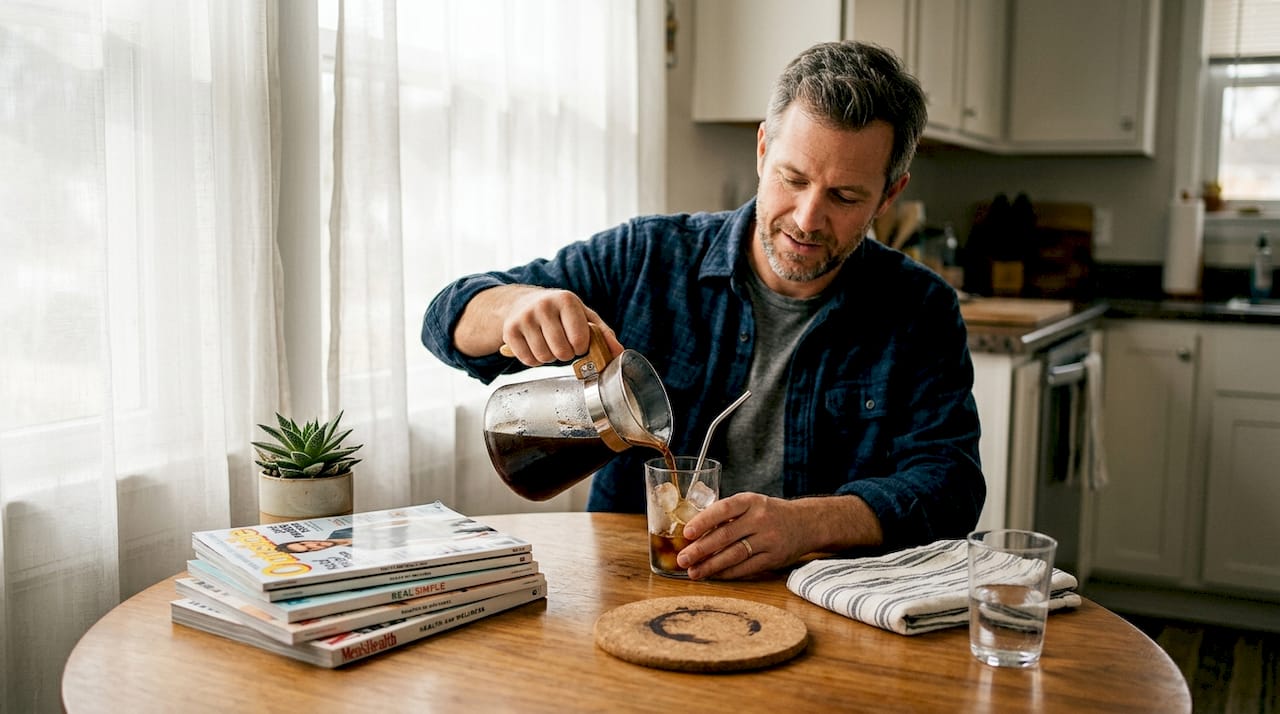
Brew method also changes the extraction rate and how caffeine enters your bloodstream. Espresso hits fast. Drip coffee is moderate. Cold brew is slow and steady. If you want to explore how preparation changes the flavor experience, artisanal brewing techniques break down each method in detail. For situational advice on maximizing taste, coffee flavor tips tailored for adventurous drinkers are worth bookmarking.
Pro Tip: For a no-crash morning, cold brew made with a low-acid medium-dark roast is your most reliable option. Prep it the night before, store it in the fridge, and pour over ice in the morning for a smooth, clean lift.
Comparison: Which clean energy coffee is right for you?
After learning about the beans and the brew, matching your choice to your needs makes the final decision a breeze. Here’s a side-by-side look at top contenders.
| Coffee | Origin | Acid level | Flavor notes | Best for |
|---|---|---|---|---|
| Balance Coffee | Various organic origins | Low to medium | Fruit, clean sweetness | Health-focused drinkers |
| Lineage Rewild Roast | Regenerative farms | Low | Earthy, citrus edge | Toxin-sensitive brewers |
| Nicaraguan coffee | Nicaragua | Low to medium | Chocolate, brown sugar | Flavor-forward drinkers |
| Guatemalan coffee | Guatemala | Medium | Citrus, caramel | Bright complexity seekers |
| Cold brew (any clean bean) | Varies | Very low | Smooth, concentrated | Stomach-sensitive drinkers |
Medium-dark roasts from Nicaragua and Guatemala consistently deliver balanced flavor with meaningful health benefits, making them the go-to for brewers who don’t want to compromise on taste.
Here’s a quick situational guide to make the choice even easier:
- Best for sensitive stomachs: Cold brew or dark roast, lowest acid profiles
- Best for flavor nerds: Guatemalan single-origin or Nicaraguan medium-dark
- Best for ritual seekers: Any third-party tested single-origin you grind fresh
- Best for health focus: Balance Coffee or Lineage Rewild Roast with documented testing
- Best for caffeine-free days: Premium artisan teas like matcha or hojicha as a clean energy alternative
The right choice isn’t universal. It’s personal. Your stomach, your schedule, and your flavor preferences all play a role in finding the cup that genuinely works for you.
Why ‘clean’ coffee really matters: Our take
Most guides stop at listing products. We think that misses the point entirely.
At Variatea Coffee, we’ve come to believe that sourcing transparency isn’t a marketing feature. It’s a baseline expectation. When a brand shows you third-party test results, they’re telling you something important: they trust their own product enough to prove it. That level of accountability is rare and worth rewarding with your loyalty.
But here’s what almost no one talks about: the ritual is doing real work. Grinding fresh beans, measuring your brew ratio, waiting during the pour. These small acts of attention shift your mental state before caffeine even enters the picture. The unique coffee rituals that adventurous brewers build around their mornings aren’t just aesthetic. They’re a form of intentional focus that compounds with the clean energy in the cup.
Flavor complexity and clean energy are also more connected than most people realize. A coffee with genuine origin character, grown carefully and processed cleanly, delivers a layered sensory experience that keeps you present and engaged. That mental presence is its own kind of energy. Choose sourcing you trust, build a ritual you enjoy, and let the flavor be proof that quality and health are not opposites.
Discover your clean energy pick at Variatea Coffee
Ready to savor something new? Your clean energy journey doesn’t have to stop at choosing between bold taste and healthy sourcing.

At Variatea Coffee, we’ve built an entire lineup for exactly this kind of drinker. Our Whiskey Barrel Aged coffee delivers deep, smoky complexity without a hint of compromise on quality. For something lighter, our Gourmet Donut Shop coffee brings warmth and comfort to your morning cup. And if you want to explore beyond coffee entirely, our curated artisan teas offer clean, low-caffeine energy through matcha, hojicha, and beyond. Every product we carry is chosen because it earns its place in a serious brewer’s rotation. Explore the full collection and find the cup that’s been missing from your morning.
Frequently asked questions
What defines ‘clean energy’ in coffee?
Clean energy coffee is tested to be free of contaminants like mold and mycotoxins, often produced with sustainable, organic practices that avoid chemical residues and harsh acidity. The result is caffeine that works with your body rather than against it.
Which coffee is best for sensitive stomachs?
Low-acid coffees like dark roasts and cold brew reduce stomach discomfort and support smooth, sustained energy. Cold brew in particular is extracted at a lower temperature, which naturally suppresses acid formation.
Are clean energy coffees more expensive?
Yes, they are typically priced higher than conventional options due to third-party testing, premium sourcing, and artisanal processing, but the value per cup reflects a meaningfully better experience and a healthier product.
Can I still get bold flavor from clean energy coffee?
Absolutely. Many clean energy coffees, especially medium-dark roasts from Nicaragua and Guatemala, offer complex, bold flavors with chocolate, citrus, and caramel depth that rivals anything in the conventional market.