

Tea brewing tips for artisanal flavor: master every cup
TL;DR:
- Brewing technique influences tea flavor as much as the leaf itself, requiring precise control over variables. Perfect results depend on water temperature, leaf-to-water ratio, and steep time, tailored to each tea type. Using the right gear, exploring different brewing methods, and experimenting deepen flavor discovery and enjoyment.
You bought quality loose leaf tea, followed the package directions, and still ended up with something flat, bitter, or weirdly grassy. You’re not alone, and the tea isn’t the problem. The truth is that brewing technique is responsible for at least as much of your cup’s flavor as the leaf itself. Water temperature off by 15 degrees, a steep that runs 90 seconds too long, or a vessel that cools too fast can turn a stunning single-origin oolong into a forgettable mug of brown water. This guide gives you the precise, actionable brewing knowledge you need to get exceptional results every single time.
{% video url=“
Table of Contents
- Master the basics: Temperature, ratio, and time
- Western vs Gongfu: Two essential brewing methods
- Advanced hacks: Cold brew, tea grade, and science
- Fine-tune for flavor: Resteeping, tools, and expert moves
- Why chasing perfection is overrated (and how to brew joyfully)
- Bring your tea journey to the next level with Variatea
- Frequently asked questions
Key Takeaways
| Point | Details |
|---|---|
| Dial in your basics | Temperature, ratio, and steep time are the core factors in unlocking complex tea flavors. |
| Experiment with methods | Western and Gongfu brewing each offer unique advantages and are worth trying side by side. |
| Upgrade with expert hacks | Cold brew, leaf grading, and understanding extraction science all enhance your home tea sessions. |
| Maximize each leaf | Quality loose leaf can be infused multiple times, evolving in flavor with every steep. |
| Brew for joy, not perfection | Personal experimentation and adapting techniques to your taste make the tea journey enjoyable. |
Master the basics: Temperature, ratio, and time
Every great cup of tea starts with three variables that most home brewers treat as afterthoughts: water temperature, leaf-to-water ratio, and steep time. Get all three right, and even an affordable tea sings. Get any one of them wrong, and you’ll mask what makes a premium leaf worth buying.
Water temperature is arguably the most critical factor. Optimal brewing temperatures vary significantly by tea type: green and white teas need 160 to 185°F (70 to 85°C), oolong performs best at 185 to 205°F (85 to 96°C), and black or herbal teas can handle a full 200 to 212°F (93 to 100°C). When water runs too hot for a delicate green tea, it smashes through the cell walls of the leaf and pulls bitter tannins and harsh astringency instead of the sweet, vegetal notes you’re looking for. Cooler water preserves those fragile, complex flavor compounds.
Ratio matters just as much. The standard Western brewing ratio is 1 to 2 teaspoons (roughly 2 to 3 grams) of loose leaf per 8 ounces (250ml) of water. Under-leaf your pot and you get thin, watery results even with a great tea. Over-leaf it and you rush toward bitterness and overwhelm. A simple kitchen scale takes the guesswork out completely.
Steep time is where most home brewers make their biggest errors. Western steeping guidelines are well established: green and white teas need just 2 to 3 minutes, oolong and black teas 3 to 5 minutes, and herbal blends 5 to 7 minutes. Exceeding those windows releases excess tannins, which coat your palate with a dry, rough finish that no amount of honey can fix. When you’re working with something special like our exotic tea blends, precise timing is what separates a good cup from a transcendent one.
| Tea type | Temperature | Ratio (per 8 oz) | Steep time |
|---|---|---|---|
| White | 160 to 175°F | 2 tsp (2g) | 2 to 3 min |
| Green | 170 to 185°F | 1.5 tsp (2g) | 2 to 3 min |
| Oolong | 185 to 205°F | 1.5 tsp (3g) | 3 to 5 min |
| Black | 200 to 212°F | 1 to 2 tsp (3g) | 3 to 5 min |
| Herbal | 205 to 212°F | 2 tsp (3g) | 5 to 7 min |
Signs your extraction went sideways:
- Flat, colorless liquor = under-steeped or water too cool
- Harsh, dry finish = over-steeped or water too hot
- Thin body with no aroma = too little leaf
- Murky appearance with sour notes = low-quality water or overpacked infuser
Pro Tip: Always pour a splash of hot water into your teapot or mug before you start brewing. Swirl it around for 30 seconds and discard. A cold vessel drops water temperature by as much as 10 to 15°F the moment liquid touches it, which derails your ideal extraction before it even begins. Check out our guide on getting the best flavor from loose leaf teas for more foundational strategies.
Western vs Gongfu: Two essential brewing methods
Once you know the foundational numbers, it’s time to choose a method that fits your taste and session goals. There are two dominant schools of thought in artisanal tea brewing, and understanding the difference changes what you can get out of every leaf.
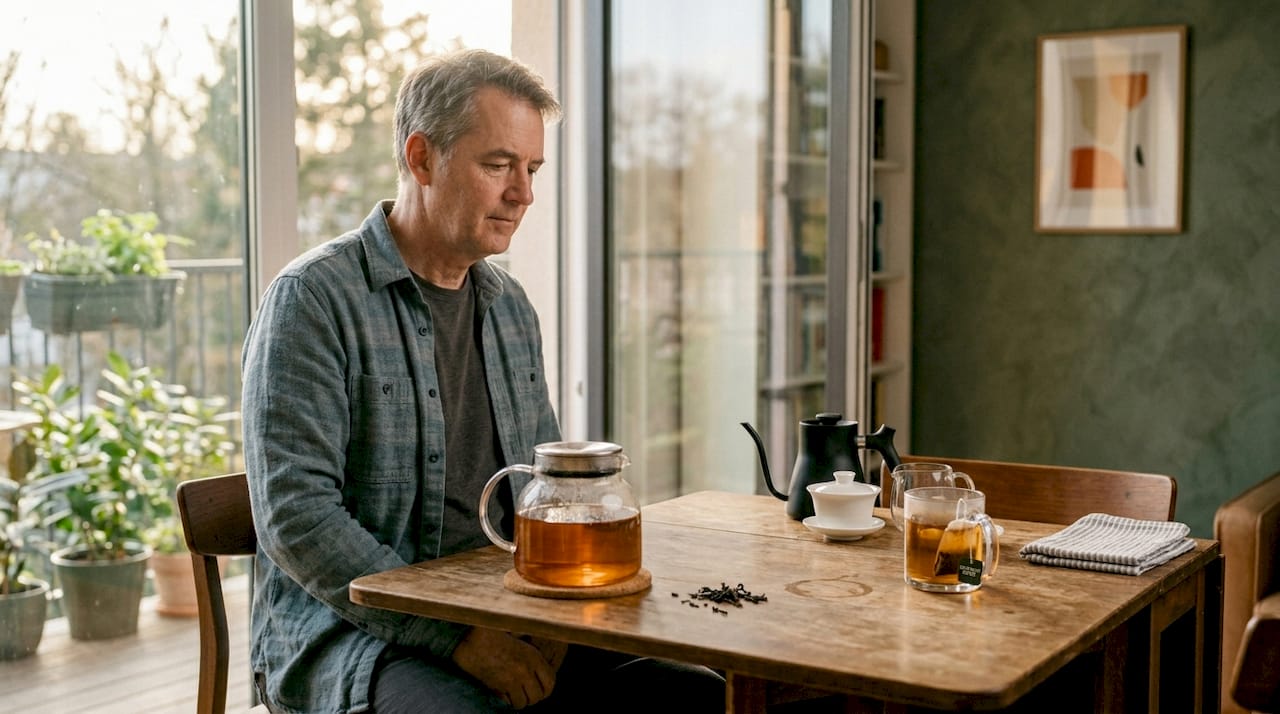
Western brewing is built for convenience and volume. You use a standard ratio, one longer steep, and drink the whole pot. It’s practical for mornings or social situations, and it delivers a consistent, pleasant cup. It suits everyday teas and blends perfectly. Most of the brewing guidance you’ve read so far applies directly to this method.
Gongfu brewing is a different approach entirely. Originating in the Fujian and Guangdong provinces of China, “Gongfu” loosely translates to “skill and effort.” The technique is designed to coax every distinct flavor layer out of a premium tea leaf through multiple short infusions. Gongfu parameters call for a high leaf-to-water ratio of 5 to 8 grams per 100ml, very short initial steeps of 10 to 30 seconds, and then gradually increasing each subsequent steep by 5 to 10 seconds. A single session can produce 5 to 10+ distinct cups, each one noticeably different from the last.
“Gongfu brewing is like watching a story unfold. The first steep gives you the tea’s opening note: floral, bright, high-toned. By the third or fourth, you’re deep into its richness and depth. By the sixth, you get something almost meditative. No Western brew can do that.”
| Feature | Western | Gongfu |
|---|---|---|
| Leaf ratio | 2 to 3g per 8 oz | 5 to 8g per 100ml |
| Steep time | 2 to 7 min (single) | 10 to 30 sec (multiple) |
| Number of steeps | 1 to 2 | 5 to 10+ |
| Vessel | Large teapot or infuser | Gaiwan or small clay pot |
| Best for | Daily teas, convenience | Premium whole-leaf, oolong, pu-erh |
Western brewing pros and cons:
- Pros: Fast, minimal equipment, reliable flavor, great for blends
- Cons: Misses complex evolution, over-extraction risk, single dimension
Gongfu brewing pros and cons:
- Pros: Reveals evolving flavor layers, maximizes premium leaf value, highly engaging
- Cons: Time-intensive, requires smaller vessels and practice, not suited for every tea
One critical step for Gongfu: rinse rolled or compressed teas with hot water for 5 to 10 seconds before your first real steep. This opens up tightly rolled leaves, removes any surface dust, and sets you up for a cleaner first infusion. It’s worth doing whenever you’re exploring Gongfu candidates from a new collection.
Pro Tip: A gooseneck kettle is a game-changer for both methods. The narrow spout gives you precise pour control, which means you can target specific areas of the leaf bed, manage your pour speed, and avoid disturbing fine teas with aggressive water force. It also makes layering flavors far more intentional when you’re experimenting with creative techniques.
Advanced hacks: Cold brew, tea grade, and science
Now that you’ve nailed the basics and brewing style, you can push your technique further with these specialty insights. These are the moves that separate a casual home brewer from someone who genuinely understands what’s happening inside the cup.
How to cold brew tea at home (the right way):
Cold brewing extracts tea slowly at low temperatures, pulling forward sweet, smooth, and aromatic compounds while almost completely bypassing the bitter tannins that hot water rushes out. Refrigerator cold brew is both safer and more aromatic than traditional sun tea. Sun tea left in outdoor heat creates an ideal temperature range for bacterial growth, while fridge steeping keeps everything clean and flavorful.
- Use 1 tea bag or 1 tablespoon of loose leaf per 8 ounces of filtered cold water.
- Combine in a clean glass jar or pitcher.
- Seal and place in the refrigerator for a minimum of 5 hours, or overnight for a stronger brew.
- Strain out the leaves and serve over ice.
- Consume within 2 to 3 days for peak freshness.
This method is spectacular with green teas, white teas, and herbal blends like hibiscus or Moroccan mint, where the cold process magnifies the natural sweetness without any added sugar needed.
Why tea grade actually matters:
Tea grades are not marketing fluff. Whole leaf teas and those including tips (the young, unopened buds of the plant) produce complex, nuanced brews because the full leaf structure preserves more volatile aromatics, oils, and amino acids during processing. Broken leaf grades, like the kind found in most commercial tea bags, extract faster and stronger because of their increased surface area, but that speed comes at the cost of subtlety. For everyday black tea in a large pot, broken leaf gets the job done. For a slow Gongfu session on a Sunday morning, a whole-leaf or silver tip grade is worth every penny.
The extraction science you actually need to know:
Understanding what happens chemically during steeping gives you real control. Tea extraction works in phases: polyphenols (the astringent, body-building compounds) extract very quickly, within the first 30 to 60 seconds. Amino acids like L-theanine, responsible for umami depth and smooth mouthfeel, extract more slowly and require adequate time and temperature to develop fully. Essential oils, which carry the floral and aromatic qualities of the leaf, only release properly once the leaf has fully unfurled and water can penetrate through immersion.
“If you’re tasting mostly bitterness, you’ve extracted mostly polyphenols. If your cup is smooth and subtly sweet with good body, you’ve hit the amino acid window. The goal is always to balance extraction phases, not maximize any one of them.”
Pro Tip: For rolled oolong or rolled green teas, always rinse the leaves first. Pour hot water at your target temperature, let it sit for 10 seconds, then pour it off. The leaf opens up dramatically, and your first real steep will taste noticeably cleaner. This connects directly to cold brewing tea safely and understanding how tea extraction science mirrors what happens with specialty coffee brewing.
Fine-tune for flavor: Resteeping, tools, and expert moves
Ready to take every session to its peak? Here’s how to get the most out of your premium teas and gear, starting with one of the most underused advantages of quality loose leaf: resteeping.
Premium loose leaf genuinely rewards multiple infusions. Oolong and pu-erh teas can handle 5 to 10 resteeps, while most greens, whites, and blacks give solid results for 2 to 3 rounds. The key is adding time to each subsequent steep. If your first steep ran 3 minutes, try 4 minutes for the second and 5 to 6 for the third. Each round releases different compounds as the leaf continues to open, often producing mid-session steeps that are richer and more complex than the first.
Your essential home brewing toolkit:
Investing in the right gear matters more than most brewers realize. Proper vessel preparation and consistent tools translate directly into consistent results. Here’s what to keep at your station:
- Digital kitchen scale: Weighing your leaves in grams is far more accurate than teaspoons, especially with teas that vary wildly in density (like fluffy white peony vs. dense rolled oolong)
- Variable temperature kettle: The single biggest upgrade any home brewer can make; set exact temperatures and eliminate guessing entirely
- Gooseneck kettle: For pour control and precision, especially valuable during Gongfu and Hojicha sessions
- Digital timer: Your phone works, but a dedicated timer sitting next to your setup keeps you honest
- Mesh infuser or basket strainer: Leaves need room to expand and circulate; ball infusers restrict this and hurt flavor dramatically
- Preheated ceramic or glass vessel: Maintains temperature stability far better than plastic or thin mugs
One habit to drop immediately: squeezing your infuser or tea bag when you’re done steeping. Pressing the wet leaves forces the last, most bitter and astringent liquid out of the leaf material and dumps it straight into your cup. Let gravity drain naturally. The difference is immediately noticeable, especially with black teas and green teas brewed on the longer end. Pair these habits with creative techniques for boosting flavor and you’ll start producing cups that genuinely surprise you.
Why chasing perfection is overrated (and how to brew joyfully)
Here’s the take that most tea guides won’t give you: the obsession with “correct” brewing numbers can actually make you a worse home brewer. Not because the numbers are wrong, but because rigid rule-following kills the curiosity that leads to genuinely great discoveries.
Every single number in this guide is a starting point, not a law. The best home brewers we’ve encountered treat each session as a live experiment. They dial up the temperature by 5 degrees to see what changes. They let a steep run a full minute longer just to feel where the edge is. They cold brew something designed for hot water and end up with a flavor profile they’d never find in any textbook. That spirit of exploration is exactly what you’ll find when you dig into adventurous flavor tips for pushing your personal preferences further.
The other trap is gear envy. A $200 clay Yixing teapot does not automatically produce better tea than a $15 ceramic strainer used with precision and attention. Technique and intention outperform equipment almost every time at the home level. The brewers who unlock the most interesting flavors are the ones who pay close attention to what’s in the cup, not the ones who bought the most expensive tools.
There’s also real joy in failure. Brewing a green tea too hot once is how you genuinely understand what “grassy bitterness” means in a way no article can fully convey. Tasting an under-extracted oolong tells you more about what you were missing than reading about it ever could. Lean into the messy, imperfect process. Build your own sensory map of what works. Your palate is the final judge, not a stopwatch.
Bring your tea journey to the next level with Variatea
The techniques in this guide are genuinely powerful, but technique only goes so far when you’re working with average ingredients. The real reward comes when you apply precise, artisanal brewing methods to teas that were designed to reward exactly that kind of attention.

At Variatea Coffee, our artisanal tea selection is built for brewers like you: people who care about what’s in the cup and want something more interesting than what’s on the grocery shelf. From stone-ground ceremonial matcha to our fragrant Moroccan Mint and earthy Hojicha Roasted Green Tea, every product in our lineup is sourced to reward proper technique. If you’re ready to push even further into bold territory, our unique barrel-aged teas bring a level of depth and complexity that most home brewers have never experienced. Every new brew is a chance to discover something unexpected.
Frequently asked questions
What is the ideal way to store loose leaf tea for maximum freshness?
Keep your tea in an airtight, opaque container away from heat, light, and moisture for best results. Avoid storing it near your stove or in a glass jar on an open shelf.
Can you use tap water for brewing tea?
Filtered water is strongly preferred because tap water often contains chlorine, fluoride, or mineral levels that interfere directly with tea extraction and flavor. Using filtered water is one of the simplest upgrades you can make, and proper water quality is a standard recommendation across all serious brewing guides.
How many times can you resteep your tea leaves?
High-quality oolong and pu-erh teas may be resteeped 5 to 10 times, while most green, white, and black teas yield 2 to 3 solid infusions before flavor drops off noticeably.
What is the safest method for making iced tea?
Refrigerator cold brew is both safer and more aromatic than sun tea, which can harbor bacterial growth in warm outdoor temperatures. One bag or tablespoon of leaf per cup of cold water, steeped for 5 hours in the fridge, is the gold standard.
How important is tea grade for flavor?
Whole leaf tea grades yield noticeably more complex and nuanced flavor compared to broken-leaf grades, because the intact leaf structure preserves volatile aromatics, essential oils, and amino acids that broken leaves lose during processing.
Recommended
- Artisanal coffee flavor profiles and brewing techniques – Variatea Coffee
- Master coffee blending techniques for artisanal brews – Variatea Coffee
- Unlock Coffee Cupping: Discover Artisan Flavors at Home – Variatea Coffee
- Coffee tasting workflow: Step-by-step guide for artisanal flavor – Variatea Coffee