

Premium tea options for unique flavor and wellness
TL;DR:
- Evaluating premium teas requires focusing on production details, independent testing, and transparent health claims rather than marketing buzzwords. Authentic quality stems from deliberate cultivation and processing decisions, verified by third-party evaluations and clear sourcing information. The most trustworthy teas are those with documented methods that influence flavor and wellness outcomes, not just appealing packaging or hype.
The premium tea aisle, virtual or physical, is flooded with words like “artisanal,” “small-batch,” and “adaptogenic.” Most of those labels are doing a lot more work than the tea inside the bag. Finding a blend that genuinely earns its price requires cutting through the noise with a sharper lens, one focused on how the tea was grown and processed, what independent testers actually think of it, and whether the flavor holds up beyond the first sip. This guide walks you through a clear selection framework, the standout options of 2026, and a detailed comparison so you can brew with confidence.
Table of Contents
- How to evaluate premium teas: Selection criteria that matter
- Top premium tea options to try in 2026
- Special spotlight: Gyokuro and method-first premium teas
- Side-by-side: Comparing top premium tea options
- What most lists miss: Method trumps marketing in premium tea
- Discover and shop premium tea selections with Variatea Coffee
- Frequently asked questions
Key Takeaways
| Point | Details |
|---|---|
| Quality comes from process | Prioritize teas known for unique cultivation and verified third-party evaluation over label claims. |
| Top picks are evidenced | Choose premium teas recommended by credible testers and expert sources for reliable taste and value. |
| Brewing matters | Optimal brewing technique brings out the best in premium teas, especially for method-driven varieties like Gyokuro. |
| Ask for validation | Trust health claims only when they are supported by transparent, independent testing or published verification. |
How to evaluate premium teas: Selection criteria that matter
Now that you know what makes the search for premium teas tricky, what matters most when evaluating your next blend? The answer lives in production details, not packaging.
Start with production variables, not buzzwords. Words like “organic,” “hand-picked,” and “wellness blend” are everywhere. What separates a truly elevated cup from a mediocre one comes down to decisions made long before the tea reaches your cup. Ask whether the leaves were shaded before harvest, how oxidation was controlled, and whether the roasting method was intentional or just cost-driven. These factors directly shape flavor chemistry. For example, shading a green tea plant before harvest spikes its L-theanine content, creating that smooth, umami-forward taste you find in high-grade Japanese greens. No shading means no umami. No umami means no depth. It really is that straightforward.
Small-batch claims deserve scrutiny. A brand calling itself “small-batch” should be able to tell you the approximate harvest volume, the region of origin, and the processing partner or estate. If that information is absent from the product page, the “small-batch” label is mostly branding. Digging into flavor profiles in artisan tea helps you understand what production variables actually look like in the cup, making it easier to verify whether a brand’s claims hold water.
Look for third-party validation. Wirecutter publishes a vetted list of the best teas across multiple categories, using real tasting panels rather than brand relationships. That kind of independent evaluation is worth more than any badge a brand puts on its own website. Similarly, for any tea marketed for health outcomes, the standard you should hold it to is clear: for “health benefits,” look for third-party dietitian evaluation or transparent, independently reproducible lab methods. If a brand can’t point to either, treat the wellness claims as unverified.
Key criteria checklist before buying:
- Known region or estate of origin
- Clearly stated processing method (shade-grown, oxidation level, roast type)
- Independent tasting evaluation or dietitian-reviewed health claims
- Transparent brewing instructions (signals the brand understands its own product)
- Price that reflects the actual production cost, not just a prestige premium
“The best premium teas taste like a decision was made at every stage of production. You can literally taste the intention.”
Pro Tip: Cross-reference a brand’s health claims against at least one independent source before buying. If a claim vanishes under any scrutiny, that tells you everything. For further reading on hands-on brewing technique, home brewing exotic teas is a solid place to start.
Top premium tea options to try in 2026
Armed with an understanding of true quality cues, here are the premium tea options that earned top marks this year.
Yahoo Health evaluated over 70 teas from 18 brands using dietitian panels and taste testing to identify the best options of 2026. The results confirmed what experienced drinkers already know: production method and consistency matter far more than brand fame.
Upton Tea Imports Champs de Lavande White Tea. This is a standout in the white tea category. White tea is minimally processed, which means the flavor is entirely a reflection of the raw leaf quality. Upton Tea Imports has long been recognized for sourcing precision, and this lavender-accented white tea delivers a clean floral sweetness without the powdery, artificial taste you find in lesser blends. It works beautifully cold-brewed overnight, allowing the delicate notes to open slowly.
Fortnum & Mason Royal Blend. For black tea drinkers who appreciate a structured, malty cup, this British institution still delivers the goods. What makes it premium is consistency. Each batch tastes the way it was designed to taste, which requires careful blending of Assam and Ceylon leaves season after season. It holds up beautifully with milk, but it is also complex enough to drink straight. Wirecutter’s vetted picks include several options in the English breakfast style, and quality consistency is always a top criterion.
Ceremonial-grade matcha. Not all matcha is the same. Ceremonial grade means the leaves were stone-ground immediately after harvest and shading was used to deepen the chlorophyll content. The result is a bright green powder with a creamy, umami-rich flavor. Anything labeled “culinary grade” was designed for baking and will taste grassy and sharp as a standalone drink. When exploring exotic tea blends, ceremonial matcha sits in its own category because of the preparation ritual it demands.
Hojicha roasted green tea. Hojicha is made by roasting green tea leaves at high temperatures, which removes most of the caffeine and transforms the flavor entirely. The toasty, caramel notes make it feel closer to a light coffee than a classic tea, which is exactly why it resonates with coffee drinkers who want variety without the caffeine load. It brews beautifully at higher temperatures than other green teas, around 90 to 95 degrees Celsius, because the roasting has already neutralized the bitterness.
Moroccan mint tea. Built on a gunpowder green tea base, the strong, tightly rolled pellets of gunpowder green brew into an intensely bold cup that can hold its own against the aggressive freshness of peppermint. It is caffeine-forward, aromatic, and genuinely refreshing served over ice in summer.
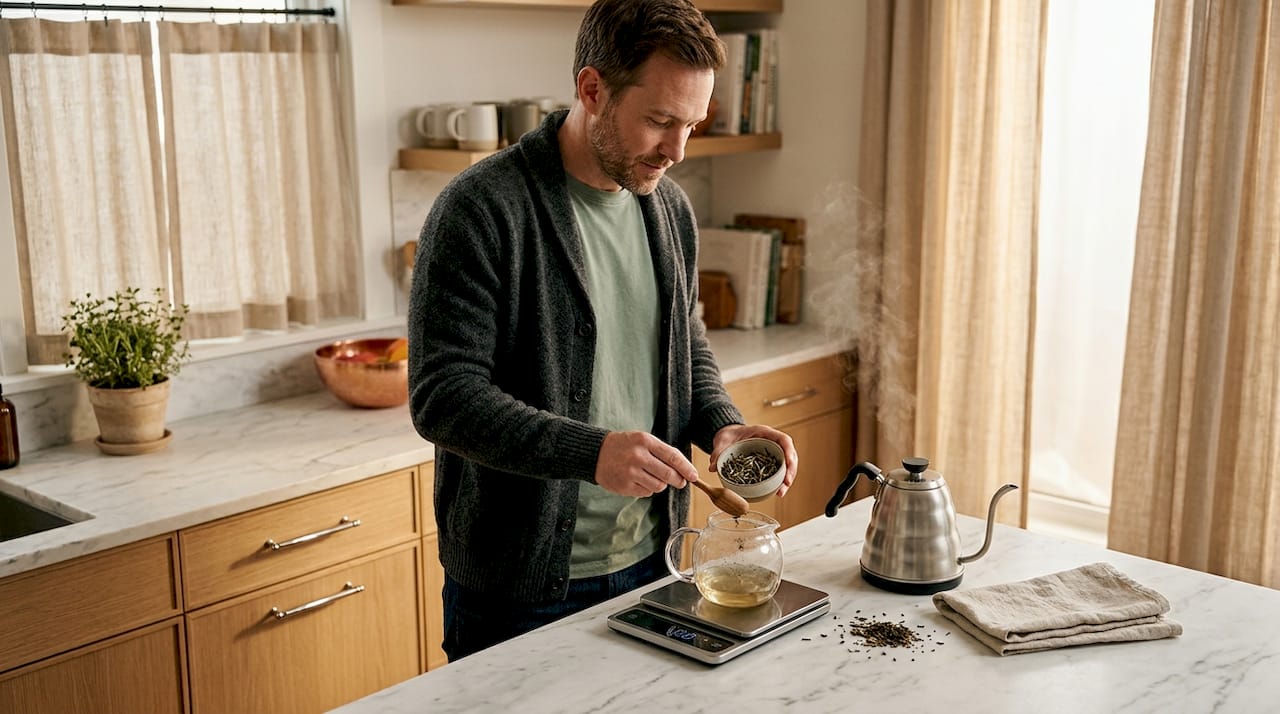
Pro Tip: For green-based teas like matcha and hojicha, water temperature is the single biggest variable you control at home. Getting it right transforms the cup. Brewing tips for premium tea covers this in detail with specific temperature guidelines for each style.
Special spotlight: Gyokuro and method-first premium teas
Some teas earn their premium reputation from more than just rarity. Let’s explore an iconic example that embodies the method-first philosophy.
Gyokuro is positioned as a premium Japanese green tea whose cultivation relies on shading the plants for roughly three weeks before harvest. That shading blocks sunlight, which slows photosynthesis and causes the plant to accumulate L-theanine instead of converting it to catechins. The result is a tea with lower astringency, deeper umami, and a characteristic sweet fragrance that you simply cannot replicate by processing an unshaded leaf differently.
The flavor profile of Gyokuro is unlike any other green tea. Where sencha is grassy and bright, Gyokuro is ocean-deep and savory. It smells like fresh seaweed and tastes like a rich, concentrated broth without any saltiness. That might sound unusual, but the first time you taste a well-brewed Gyokuro, it reframes what “premium green tea” means entirely.
What makes Gyokuro different from other green teas:
- Shaded for 20 to 30 days before harvest, dramatically increasing L-theanine
- Harvested from first-flush leaves only, maximizing tenderness and complexity
- Low astringency makes it forgiving compared to poorly brewed sencha
- Brewed at cooler temperatures (around 60 degrees Celsius) to protect its delicate chemistry
- Produces multiple infusions with evolving flavor profiles across each steep
| Feature | Gyokuro | Sencha | Matcha |
|---|---|---|---|
| Shading method | 20 to 30 days | No shading | 20 to 30 days |
| L-theanine level | Very high | Moderate | High |
| Flavor profile | Umami, sweet, oceanic | Grassy, bright | Creamy, rich, vegetal |
| Ideal brew temp | 60°C (140°F) | 70 to 75°C | 70 to 80°C (whisked) |
| Caffeine level | Moderate to high | Moderate | High |
| Best use | Focused sessions, small servings | Everyday drinking | Morning energy ritual |
“Gyokuro is not a tea you rush. It rewards patience at every step, from brewing temperature to the size of your cup.”
The lesson Gyokuro teaches is transferable. Any time a tea’s flavor profiles trace directly back to a documented production decision, you are looking at a method-first premium product. That is the benchmark worth chasing.
Side-by-side: Comparing top premium tea options
With the best options and their stories covered, how do they stack up for your particular preferences?
Established tea retailers are commonly recommended by mainstream consumer guides for premium experiences and variety. But a trusted retailer is only part of the equation. Matching the right tea to your brewing ritual and flavor preference is what makes the purchase worthwhile.
| Tea | Flavor profile | Caffeine | Best occasion | Validated by |
|---|---|---|---|---|
| Gyokuro | Umami, sweet, oceanic | Medium-high | Focused, intentional sessions | Origin method documentation |
| Ceremonial matcha | Creamy, vegetal, rich | High | Morning energy, lattes | Dietitian panels, taste tests |
| Hojicha | Toasty, caramel, smooth | Very low | Evenings, coffee drinkers | Tasting panels |
| Moroccan mint | Bold, cooling, brisk | Moderate | Afternoon, iced drinks | Traditional blend sourcing |
| Fortnum & Mason Royal Blend | Malty, structured, bold | High | Morning, with milk | Wirecutter, consumer guides |
| Upton Lavande White Tea | Floral, soft, delicate | Low | Afternoon, cold brew | Independent sourcing review |
| Hibiscus berry | Tart, fruity, bright | Caffeine-free | Any time, iced | Herbal blend testing |
Situational picks to guide your decision:
- Want a coffee alternative with low caffeine? Hojicha is your best bridge option.
- Looking for maximum antioxidant value? Ceremonial matcha leads the field.
- Prefer something completely caffeine-free? Hibiscus berry herbal blends deliver bold flavor without the buzz.
- Want a classic structured black tea? A well-sourced Royal Blend style performs consistently.
- Chasing a truly unique experience? Gyokuro is worth the effort and the price.
Pairing your chosen tea with the right brewing method makes a real difference. Artisan brewing tips breaks down water temperature, steeping time, and vessel choice for each major tea style, which is essential reading before you invest in any premium option.
What most lists miss: Method trumps marketing in premium tea
Here is the uncomfortable reality: most “best tea” lists, including some popular ones, are organized around brand recognition more than production rigor. A tea from a visually appealing brand with strong social media presence can outrank a technically superior tea simply because it is more discoverable. That dynamic rewards marketing budgets, not quality.
The smarter move is to anchor every purchasing decision to process. Ask not “is this brand trusted?” but “can I verify the production decision that makes this tea taste different?” A brand that can answer the second question confidently earns the premium price. A brand that redirects you to lifestyle imagery does not.
Many “small-batch” wellness claims on brand sites are not necessarily independently verified, which means the label itself is not evidence of quality. You need one of three things: documented cultivation specifics, independent tasting panel results, or transparent lab-based metrics for any health claim made. Without at least one of those, you are paying for the story, not the substance.
This does not mean premium teas are a scam. Far from it. Gyokuro genuinely tastes extraordinary because of shading. A well-sourced ceremonial matcha really does deliver a measurably different antioxidant profile. Hojicha’s roasting process truly does reduce caffeine while creating new flavor compounds. The difference is whether those outcomes trace to real production decisions or to copywriting.
Our perspective at Variatea Coffee is simple: buy the method, not the myth. Before any purchase, ask three questions. First, what specific production step creates the flavor or wellness benefit being claimed? Second, has anyone outside the brand evaluated this objectively? Third, does the brewing guidance reflect a deep understanding of the product? For additional reading on independently verified health claims in the broader artisan beverage space, the contrast between verified and unverified claims becomes even clearer.
The brands that can answer all three questions are the ones worth your money and your morning ritual.
Discover and shop premium tea selections with Variatea Coffee
Ready to put this knowledge into practice in your own cup?
At Variatea Coffee, every tea in our lineup was chosen because a specific production decision made the flavor worth talking about. Hojicha earns its place because of the roasting process. Our Moroccan Mint Tea earns it through the bold gunpowder green base. Ceremonial matcha earns it through stone-grinding and shading standards. We are not here to sell you a label. We are here to give you a cup that actually delivers on what the label promises.

Whether you are exploring curated teas for the first time or looking to add something truly unexpected to your rotation, our small-batch selections are sourced and blended with the adventurous brewer in mind. And if you want something that bridges the gap between tea and the world of barrel-aged craft, our whiskey barrel-aged offerings bring a smoky, oak-forward dimension that no grocery store shelf can match.
Frequently asked questions
What makes a tea truly premium?
Premium teas are defined by unique, documented production methods like shading or specific roasting, proven taste quality from independent testers, and transparent health claims. Method-first production is the most reliable signal, because it creates measurable differences in flavor chemistry.
Are health benefits from premium teas proven?
Only claims backed by third-party evaluation or transparent lab-tested data are reliable. For reliable health validation, look for dietitian-reviewed evidence or reproducible lab methods, not just brand marketing copy.
How should I brew premium teas for the best results?
Follow the specific brewing parameters for each style, especially temperature. Premium greens like Gyokuro require around 60 degrees Celsius to preserve their sweetness, while black teas and hojicha benefit from near-boiling water.
Where can I trust recommendations for premium teas?
Independent sources with documented evaluation criteria are your best bet. Wirecutter’s best teas list uses real tasting panels, and Yahoo Health evaluated over 70 teas with dietitian input to produce their 2026 rankings.
Recommended
- Explore exotic tea blends for adventurous home brewing – Variatea Coffee
- Discover unique coffee blends for premium flavor experiences – Variatea Coffee
- Tea brewing tips for artisanal flavor: master every cup – Variatea Coffee
- How to choose unique coffee blends for an adventurous palate – Variatea Coffee