

Limited edition coffee: Unlock unique flavors and experiences
TL;DR:
- Limited edition coffee involves small-batch, rare origins, and experimental processing methods that offer unique flavors. These releases are highly intentional, often single-origin or barrel-aged, and stimulate community engagement through storytelling and exclusivity. Finding and appreciating such coffees requires active participation, deliberate tasting practices, and an understanding that their true value lies in artistry and shared experience.
Most people assume “limited edition” on a coffee bag is just a marketing trick to drive urgency. It’s not. Behind those words is an entire world of rare origins, experimental processing, and flavors that you genuinely cannot replicate with a standard grocery store roast. If you’ve ever sipped a coffee that made you stop mid-cup and actually think about what you were tasting, there’s a good chance it came from a small batch with a story behind it. This guide breaks down what limited edition coffee really means, why it matters to serious enthusiasts, and exactly how you can find and appreciate these rare releases for yourself.
Table of Contents
- What is limited edition coffee?
- What makes limited edition coffee so special?
- How exclusive releases influence coffee culture
- How to find and appreciate limited edition coffee
- The real value of limited edition coffee: More than rarity
- Experience exceptional limited edition coffee and tea
- Frequently asked questions
Key Takeaways
| Point | Details |
|---|---|
| Unique offerings | Limited edition coffees feature rare beans or processes you won’t find in everyday blends. |
| Short supply | These coffees are produced in small batches and only available for a limited time. |
| Flavor exploration | Savoring limited editions introduces your palate to innovative and distinctive taste notes. |
| Cultural impact | Exclusive coffee releases drive exciting trends and community engagement among enthusiasts. |
| Smart sourcing | You can discover these rare coffees by following specialty roasters, cafes, and curated guides. |
What is limited edition coffee?
Limited edition coffee is not just a smaller bag with a fancier label. The term has a real definition rooted in sourcing, processing, and production scale. As noted in unique coffee blends, “limited edition coffee involves unique blends, rare origins, or special processing methods, produced in small batches and only available for a short time.” That last part is critical. Once it’s gone, it’s gone. There are no reorders, no restocks, and no second chances to taste that exact profile.
What separates a limited edition release from a regular seasonal offering comes down to three core factors:
- Origin exclusivity: The beans may come from a single farm, a micro-lot of only a few hundred kilograms, or a remote growing region that produces a limited yield each harvest season.
- Processing method: Some releases are defined entirely by how the beans are processed, whether that’s anaerobic fermentation, natural sun-drying on raised beds, or an experimental honey process that creates a fruit-forward sweetness unlike anything in commercial production.
- Intentional scarcity: Roasters deliberately cap production not to manufacture hype, but because the raw material itself is finite. You simply cannot make more of a coffee that came from one specific tree lot on one specific harvest.
“Single-batch runs reveal more character because every decision, from picking to roasting, is made with that one release in mind. There’s no compromise for consistency at scale.”
This level of intentionality is what draws collectors and connoisseurs to limited releases. You’re not buying coffee. You’re buying a moment in time from a specific place on the planet.
What makes limited edition coffee so special?
The magic of limited edition coffee comes from layered decisions that start long before roasting. Rare beans, experimental roasts, and careful curation are hallmarks of what elevates these releases into genuine premium flavor experiences.
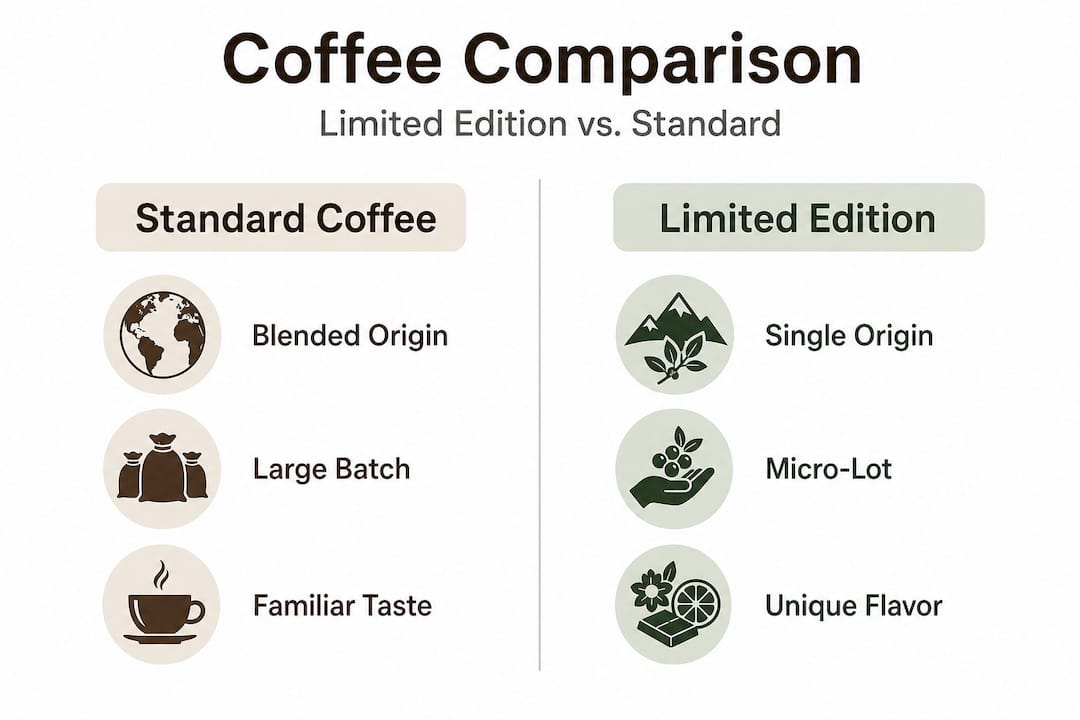
Here’s a direct comparison of what you typically encounter in standard versus limited edition coffee:
| Feature | Standard commercial coffee | Limited edition coffee |
|---|---|---|
| Bean origin | Multi-country blend | Single farm or micro-lot |
| Processing | Washed or natural (standard) | Anaerobic, carbonic maceration, barrel-aged |
| Roast profile | Consistent across large batches | Custom-dialed for that specific bean |
| Flavor complexity | Balanced, predictable | Layered, distinctive, sometimes polarizing |
| Availability | Year-round | Weeks to months, until sold out |
| Traceability | Minimal | Farm, altitude, harvest date, producer name |
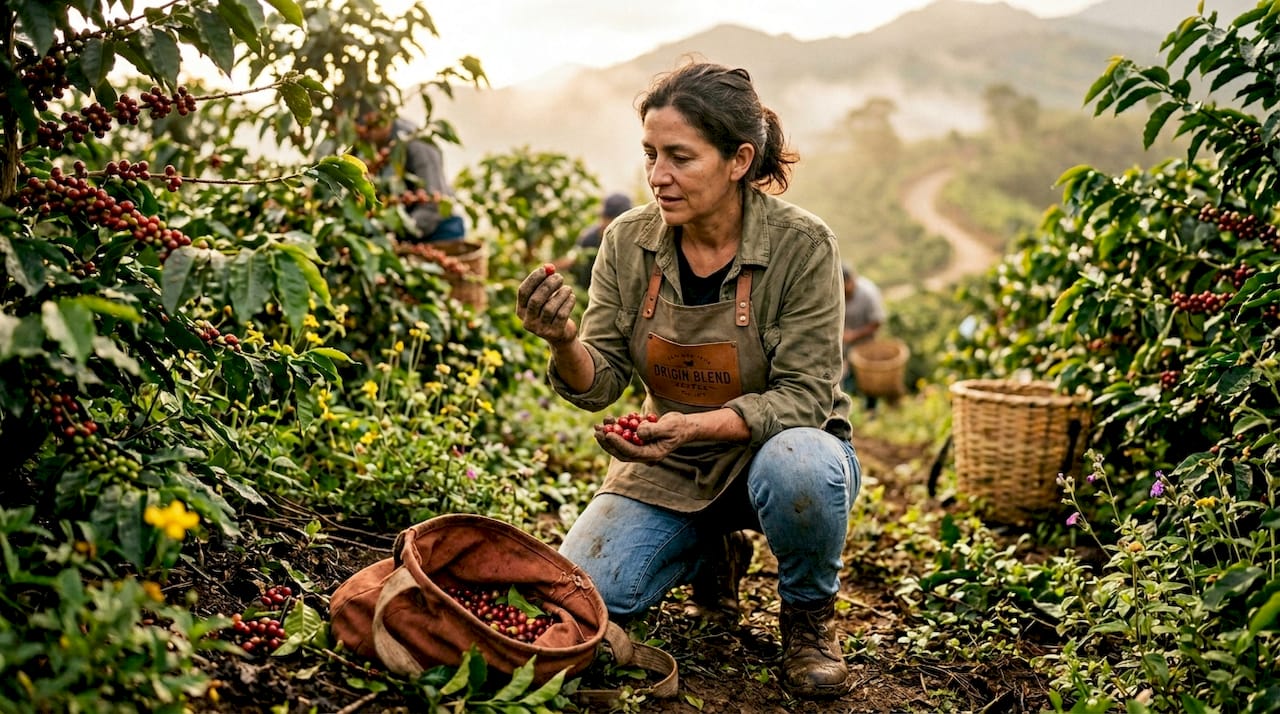
The sourcing side is where the story really begins. Micro-lots are small parcels of a farm, sometimes just a few rows of trees, picked and processed separately from the main crop. This isolation allows producers to experiment with processing methods that would be too risky or labor-intensive at full scale. The result is a coffee with a personality so distinct it could almost be described as a portrait of a single place and season.
Barrel-aging is one of the most exciting innovations in this space. Coffee beans are aged inside charred oak barrels previously used for bourbon or whiskey. The porous bean absorbs the woody, caramel, and vanilla compounds from the barrel over several weeks. You end up with a non-alcoholic roast that carries deep smoky warmth alongside the coffee’s natural character. It’s layered in a way that no standard roast can match.
Here’s a step-by-step look at how a limited edition barrel-aged coffee typically comes together:
- Green bean selection: Only high-quality, single-origin green beans are chosen, since inferior beans will not absorb barrel flavors evenly.
- Barrel sourcing: Charred oak barrels that previously held bourbon or whiskey are sourced directly from distilleries.
- Aging period: Beans rest inside sealed barrels for two to six weeks, depending on the intensity of flavor the roaster is targeting.
- Test roasting: Small test batches are roasted and cupped repeatedly to dial in the roast profile that best expresses the barrel influence.
- Final roast and release: Once the profile is locked, the full batch is roasted and packaged. That’s it. No ongoing production.
Pro Tip: When you open a bag of limited edition coffee, spend thirty seconds just smelling the dry grounds before brewing. With complex releases like barrel-aged or naturally processed beans, the aroma tells you nearly as much as the cup itself. Train your nose first, and the flavors will come into sharper focus.
You can explore the 6 Bean Blend as a great entry point for understanding how layered, multi-origin sourcing creates a profile that goes well beyond a single-estate cup.
How exclusive releases influence coffee culture
Limited edition coffee doesn’t just satisfy individual palates. It actively shapes the broader specialty coffee scene in ways most casual drinkers never notice. Specialty coffee shops and at-home connoisseurs are increasingly drawn to micro-batch and limited edition offerings, and this shift is changing how the entire industry thinks about production, storytelling, and consumer engagement.
Here’s a clear look at how exclusive releases compare to widespread commercial drops in a café setting:
| Factor | Commercial release | Exclusive micro-lot release |
|---|---|---|
| Consumer conversation | Low (familiar product) | High (new, rare, story-driven) |
| Price point | Standard range | Premium, often 2x to 3x standard |
| Staff engagement | Routine | Education-driven, enthusiast-led |
| Community response | Predictable | Generates excitement, reviews, social posts |
| Repeat purchase | Habitual | Urgent, driven by scarcity |
The social dimension of limited releases is genuinely significant. When a café drops a new anaerobic natural from an obscure Ethiopian growing region, regulars talk about it. They share tasting notes. They bring friends in specifically to try it before it sells out. That kind of organic buzz is almost impossible to manufacture with a standard blend that’s available 365 days a year.
Key ways exclusive releases drive community excitement and palate development:
- They create shared reference points among enthusiasts, giving people a common flavor experience to compare and discuss.
- They reward loyalty. Customers who follow a roaster closely get first access, building a real sense of community around the brand.
- They push baristas to develop deeper knowledge, since serving a complex limited release requires being able to explain its origin, process, and best brewing method.
- They accelerate palate growth for home brewers. Tasting something genuinely unusual forces you to build new vocabulary and sharpen your sensory awareness.
- They fund experimentation at the farm level. When producers know specialty roasters will pay a premium for experimental lots, they’re more willing to take the risks that produce the most interesting coffees.
These specialty coffee trends are not slowing down. The appetite for innovative brews with genuine provenance and distinct character is growing year over year, and limited edition releases sit at the center of that momentum.
How to find and appreciate limited edition coffee
Finding limited edition coffee requires a bit more effort than a grocery store run, but the payoff is worth it. Here’s a practical framework for tracking down rare releases and getting the most out of them once you do:
- Subscribe to roaster newsletters. Most specialty roasters announce limited drops exclusively via email before listing them publicly. Being on that list is the single fastest way to get early access.
- Follow producers and importers on social media. Green coffee importers often post about incoming micro-lots before any roaster has even purchased them. This gives you a preview of what’s coming into the market weeks ahead.
- Attend café pop-ups and tasting events. Many roasters introduce limited releases in a controlled tasting environment first, where you can try the coffee and buy directly.
- Join a specialty subscription service. Subscriptions designed around discovery and rotation are built specifically to surface limited and seasonal releases that you’d never find on your own.
- Use specialty gift guides as a discovery tool. Gourmet coffee gift guides and specialty retailer picks are key resources for discovering rare coffee releases, and a good coffee gift guide often highlights limited edition options that are curated specifically for enthusiasts.
- Build a tasting journal. Every time you try a limited release, write down the origin, process, roast date, brew method, and tasting notes. Over time, this becomes an invaluable reference for understanding your own palate and predicting which future releases you’ll love.
Appreciation is a skill, and it develops with deliberate practice. Slow tasting, meaning taking smaller sips, letting the coffee cool slightly between sips, and focusing on how the flavor shifts from the first moment to the finish, reveals layers that a quick morning chug will never expose.
Explore unique coffee rituals to build a brewing practice that does justice to the rare coffees you’re investing in. The right ritual makes every cup feel like an event rather than a routine.
Pro Tip: Look for roasters who publish brew recipes specifically for each limited release. These are tailored to the bean’s density, roast level, and flavor profile. Using a generic recipe on a precision-crafted micro-lot is like listening to a symphony through a phone speaker. The information is technically there, but you’re missing most of what makes it special.
The real value of limited edition coffee: More than rarity
Here’s something most limited edition coffee guides won’t tell you. The rarity itself is not what makes these coffees valuable. Plenty of scarce things are not worth seeking out. What actually makes a limited release memorable is the combination of artistry, risk, and shared experience packed into every bag.
When a roaster commits to a small-batch barrel-aged release or an experimental anaerobic lot, they’re betting on an idea. They’re saying that this specific combination of bean, process, and roast profile is worth the extra cost, extra time, and real possibility of failure. That creative commitment is what you taste in the cup. It’s not marketable scarcity. It’s applied expertise and genuine curiosity.
Most guides focus on connoisseurship, on developing the palate, learning the vocabulary, mastering the grind. Those things matter. But what they often miss is the community dimension. Some of the most meaningful coffee experiences come from sharing a rare release with another enthusiast and discovering that you each picked up something different. One person tastes dark cherry and bittersweet chocolate. Another gets dried fig and tobacco. Neither is wrong. That conversation is the real product.
The small-batch artisanal picks that generate the most lasting enthusiasm are not always the rarest or most expensive. They’re the ones that spark that conversation. They make you curious about the next release, the next growing region, the next process someone is willing to try. Limited edition coffee, at its best, is not a destination. It’s the beginning of a longer journey into flavor and connection.
Experience exceptional limited edition coffee and tea
Ready to move from reading about rare releases to actually tasting them? Variatea Coffee brings together the most distinctive small-batch blends and artisanal teas available, curated specifically for enthusiasts who want something genuinely different in their cup.

Start with the whiskey barrel aged coffee, a non-alcoholic roast that captures the deep, smoky warmth of bourbon and vanilla through authentic charred oak barrel aging. It’s the kind of release that redefines what coffee can taste like. If you’re drawn to exploring beyond coffee, the artisan tea collection offers equally bold, carefully sourced teas like Hojicha, ceremonial Matcha, and Moroccan Mint, each one as thoughtfully crafted as any limited edition roast. Every product at Variatea Coffee is chosen to push your palate forward and give you something worth talking about.
Frequently asked questions
Are limited edition coffees higher quality than regular blends?
Limited edition coffees often use unique beans or processes, offering distinct flavors not found in regular blends, but quality depends on both sourcing and roasting expertise. As a general rule, rare beans and careful curation are key hallmarks of what separates a standout limited release from a standard product.
How long are limited edition coffees available?
Most limited edition coffees are sold until small batches run out, which can range from a few weeks to several months depending on demand. These limited edition releases are only available for a short time and in small quantities, so acting early is always the smarter move.
Are limited edition coffees suitable for gifts?
Yes, limited edition coffees make memorable gifts for coffee lovers, especially those seeking new taste experiences. Premium coffee gift guides consistently highlight limited edition options as the top choice for curated, experience-driven giving.
Do limited edition coffees require special brewing techniques?
While most limited edition coffees can be brewed like any specialty coffee, experimenting with different methods can enhance their unique flavors. Expert brews and coffee rituals can bring out premium flavors in these unique blends and are well worth exploring when you have a rare release in hand.
Recommended
- Unlock Coffee Cupping: Discover Artisan Flavors at Home – Variatea Coffee
- Discover Innovative Coffee: Unique Brews & Flavor Experiences – Variatea Coffee
- Discover unique coffee blends for premium flavor experiences – Variatea Coffee
- Why specialty coffee unlocks flavor you can’t get elsewhere – Variatea Coffee