

Home coffee cocktails: specialty beans make the difference
TL;DR:
- Using fresh specialty coffee beans is crucial for creating rich foam and balanced flavor.
- Proper shake technique and tool use are essential for developing microfoam and achieving a silky texture.
- Prioritizing quality coffee over expensive spirits dramatically improves home coffee cocktail results.
You shake your first Espresso Martini, strain it into a chilled glass, and stare at a flat, muddy surface instead of the frothy, rich drink you imagined. The vodka was good. The recipe looked right. So what went wrong? Almost always, the answer is the coffee. Building cafe-quality coffee cocktails at home is genuinely achievable, but it starts with understanding the ingredients and techniques that matter most. This guide walks you through every stage: the tools you need, how to prepare a proper coffee base, a tested recipe sequence, and how to fix the most common mistakes that flatten flavor and kill foam.
Table of Contents
- What you need: Essential tools and specialty ingredients
- Preparation: Getting the most from specialty coffee
- Step-by-step: Mixing a perfect specialty coffee cocktail
- Troubleshooting and perfecting your home coffee cocktails
- Our take: Why specialty coffee, not the liqueur, is the true game-changer
- Take your home mixology further with artisanal beans
- Frequently asked questions
Key Takeaways
| Point | Details |
|---|---|
| Prioritize bean quality | Fresh specialty coffee has the biggest flavor and texture impact in home cocktails. |
| Master base preparation | Dial in espresso or cold brew concentration for balanced, rich-tasting drinks. |
| Shake hard for microfoam | Vigorous shaking creates the signature frothy crema on coffee cocktails. |
| Tweak sweetness wisely | Adjust liqueur choices and skip extra syrup to keep drinks coffee-forward rather than overly sweet. |
| Experiment boldly | Try different bean blends and spirits to craft your signature at-home coffee cocktail. |
What you need: Essential tools and specialty ingredients
With your interest piqued, let’s begin with what you need to set up your home coffee cocktail bar. The good news is that you don’t need a professional bar cart or a $2,000 espresso machine to get started. You need the right gear and, far more importantly, the right coffee.
Essential bar tools:
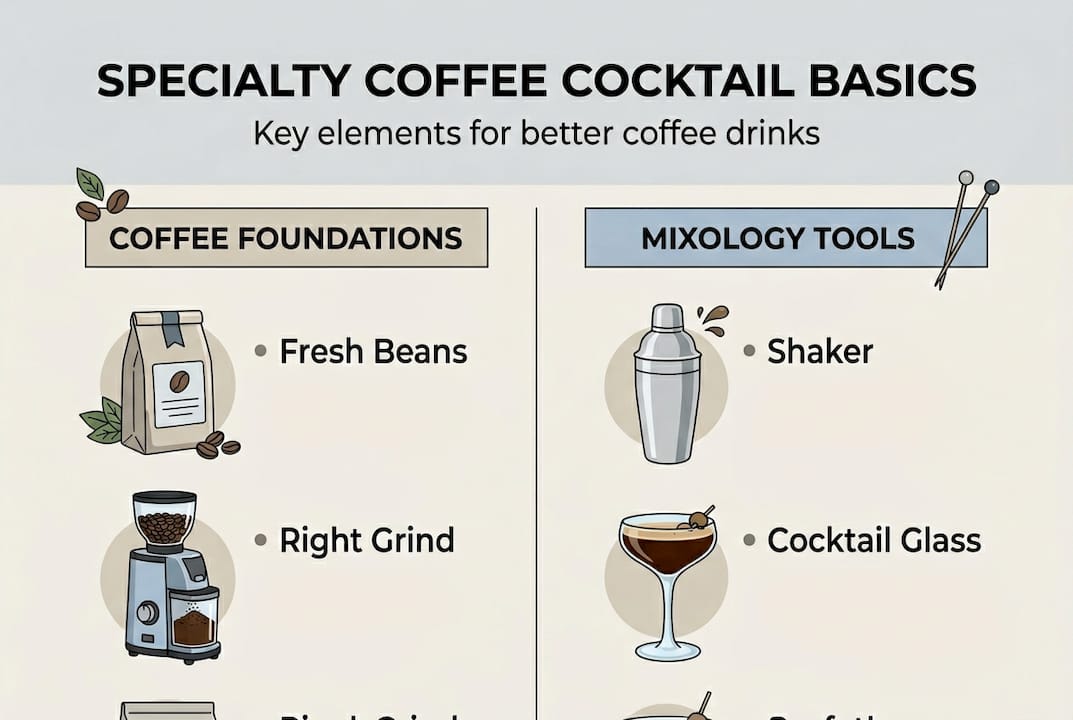
- Cocktail shaker (Boston or cobbler style): Creates the vigorous agitation needed for microfoam
- Hawthorne strainer: Catches ice shards for a clean pour
- Jigger: Measures spirits and coffee precisely so ratios stay consistent
- Fine mesh strainer: Double-straining removes ice chips and produces a smoother surface
- Chilled coupe or martini glass: Cold glass extends foam life by several minutes
- Espresso machine, moka pot, or cold brew setup: Your coffee source defines everything else
When it comes to the coffee base itself, your options each carry real trade-offs. Espresso Martini ratios work best when brewed at 8.5 to 10% TDS (total dissolved solids, a measure of how concentrated your brew is), which standard espresso hits naturally. Cold brew concentrate can substitute if you brew it strong, around a 1:4 coffee-to-water ratio. Moka pot sits between the two in concentration and adds a slightly more bitter, roasted edge.
| Coffee base | Concentration | Foam potential | Best for |
|---|---|---|---|
| Espresso | Very high (8.5-10% TDS) | Excellent | Classic Espresso Martini |
| Cold brew concentrate | High (adjustable) | Good | Smoother, low-acid builds |
| Moka pot | Medium-high | Moderate | Budget-friendly, bold flavor |
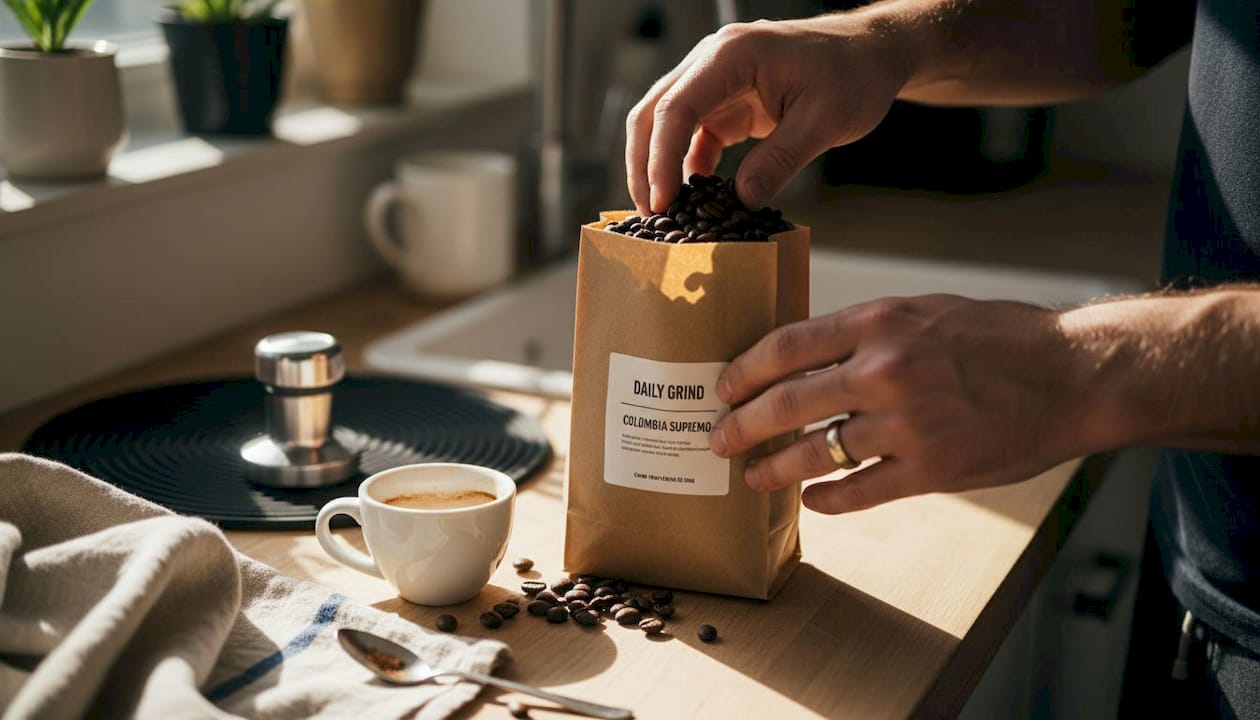
For beans, freshness is everything. Specialty-grade artisanal coffee picks used within 7 to 21 days post-roast produce the oils and CO2 that generate crema. Older beans are degassed and limp. A medium roast gives you complexity without the sharp bitterness of a dark roast, which can overwhelm spirits.
For liqueur, the choice matters more than most people realize. Kahlua is sweet and syrupy, which pushes your cocktail toward dessert territory fast. Mr Black, an Australian coffee liqueur, is coffee-forward and significantly less sweet, giving your espresso room to breathe. Understanding coffee flavor layering helps you choose the right liqueur to complement, not compete with, your base.
Pro Tip: Swap Kahlua for Mr Black in any coffee cocktail recipe. The lower sugar content lets the actual coffee flavor lead, which is the entire point.
Preparation: Getting the most from specialty coffee
Now that you’ve assembled your tools and ingredients, let’s prepare a specialty coffee base worthy of your cocktail. How you brew matters just as much as what you brew.
Start with your beans. A medium roast from a specialty roaster, used within that critical 7 to 21 day window, is your foundation. Grind fine for espresso, coarser for cold brew. Dialing in your espresso grind first, before you start mixing, is non-negotiable. A fresh espresso tips guide puts it plainly: prioritize coffee quality over liqueur choices for authentic cocktail flavor. You can’t fix bad coffee with a premium spirit.
Here is how to prepare your coffee base step by step:
- Weigh your dose: Use 18 to 20 grams of ground coffee for a double espresso shot
- Pull your shot: Target a 25 to 30 second extraction for a 36 to 40 gram yield
- Check your TDS: If you have a refractometer, confirm you’re in the 8.5 to 10% range
- Cool it fast: Pour espresso over a single ice cube in a separate small cup, then remove the cube before it dilutes the shot
- For cold brew: Steep grounds in filtered water at a 1:4 ratio for 18 to 24 hours, then strain twice
- Taste before mixing: If it’s sour, your grind is too coarse. If it’s harsh and bitter, grind slightly coarser or shorten extraction
The data on optimal concentration for cocktails is clear:
| Brew method | Recommended ratio | Ideal TDS range | Adjustment tip |
|---|---|---|---|
| Espresso | 1:2 (dose:yield) | 8.5-10% | Dial grind, not dose |
| Cold brew concentrate | 1:4 | 5-7% | Add less water, steep longer |
| Moka pot | Standard fill | 4-6% | Use 2 shots per cocktail |
Exploring coffee blending tips opens up even more ways to customize your base before it ever hits a shaker. For foam specifically, the home barista guide explains how fresh beans and proper extraction interact to produce the oils responsible for lasting crema.
Pro Tip: Always hard-shake your cocktail for a full 15 seconds with plenty of ice. The violent agitation breaks down coffee oils and creates the microfoam layer that defines a well-made coffee cocktail.
Step-by-step: Mixing a perfect specialty coffee cocktail
With your coffee crafted and tools ready, follow these steps for mixologist-level cocktails at home. The Espresso Martini is the benchmark, and these Espresso Martini ratios are tested and balanced.
Classic Espresso Martini (serves 1):
- Chill your glass: Fill your coupe with ice water and let it sit while you prep
- Combine in shaker: Add 1.5 oz vodka, 1 oz freshly pulled espresso (cooled), and 1 oz coffee liqueur (Mr Black preferred)
- Skip the simple syrup: The liqueur provides enough sweetness if you use a coffee-forward brand
- Add ice: Fill shaker two-thirds with large ice cubes
- Shake hard: 15 to 18 seconds of vigorous shaking is the minimum. You should feel the shaker frost over
- Double strain: Empty your coupe, then strain through both Hawthorne and fine mesh strainer
- Garnish: Three espresso beans on top, placed in a triangle
Shaking hard with ice is the single most important technique for lasting crema and a silky texture. Gentle shaking produces a flat, sad surface every time.
Customization is where things get genuinely interesting. To avoid over-sweetness in your Espresso Martini, try these swaps and additions:
- Add depth: A quarter ounce of amaretto brings a nutty sweetness without sugar overload
- Add warmth: A small dash of vanilla extract or vanilla-infused simple syrup rounds out the flavor
- Add spice: Half a barspoon of cinnamon syrup pairs beautifully with medium-roast espresso
- Try a spirit swap: Aged rum instead of vodka creates a richer, more complex build
For something even more adventurous, look into spice-infused coffee tips to create a custom coffee base that changes the entire flavor direction of your cocktail. A cinnamon-forward espresso, for example, needs almost no added sweetener because the spice does the heavy lifting.
Troubleshooting and perfecting your home coffee cocktails
Once you’ve mixed your cocktail, you may encounter some common pitfalls. Here’s how to solve them and consistently achieve delicious results.
Common problems and fixes:
- Flat or no foam: Beans are too old (beyond 21 days post-roast), espresso was too hot when shaken, or you didn’t shake hard enough. Solution: source fresher beans and shake longer.
- Too sweet: Your liqueur is doing too much work. Switch to Mr Black or reduce liqueur by a quarter ounce. Cut simple syrup entirely first before adjusting anything else.
- Muddy or bitter flavor: Espresso was over-extracted, or beans are stale. Coffee infusion pitfalls around oxidized coffee oils causing rancidity are real. Cold-crashing your cold brew (placing it in the fridge immediately after brewing) slows oxidation and keeps flavor clean.
- Watery texture: Too much dilution during shaking. Use larger ice cubes, which melt slower, and reduce shake time slightly.
- Inconsistent results: You’re eyeballing ratios. A jigger solves this immediately.
Freshness is the variable most home mixologists ignore. Beans within 7-21 days post-roast carry active CO2 that powers crema. After that window, the gas escapes and you’re left with flat pulls no matter how well you shake. Buy smaller quantities more frequently rather than a large bag you’ll use over two months.
For matching flavors consistently, build a simple shortcut system: if your espresso tastes chocolatey, lean into it with dark crème de cacao or a mole-inspired bitter. If it tastes bright and fruity, a citrus twist or elderflower liqueur pairs cleanly. Taste your coffee flavor troubleshooting tips before you mix, every single time.
Pro Tip: Cold crash any coffee infusions by chilling them immediately after steeping. This dramatically reduces oxidation and keeps your flavors bright and clean for longer.
Our take: Why specialty coffee, not the liqueur, is the true game-changer
With practical troubleshooting covered, let’s step back for a deeper insight into what truly makes a home-mixed coffee cocktail stand out.
Most people building coffee cocktails at home spend their budget on premium spirits and treat the coffee as an afterthought. It’s the exact opposite of what produces a great drink. We’ve watched people invest in top-shelf vodka, expensive glassware, and professional shakers, then brew their cocktail base from stale supermarket grounds. The result? A cocktail that tastes like sweetened coffee water with a sting.
Fresh, well-sourced coffee brings natural chocolate, fruit, and spice notes that no liqueur can replicate. Even a basic home setup produces genuinely impressive results when the bean is the priority. The bold coffee insights worth internalizing here: your coffee is doing more flavor work than everything else in the shaker combined. Treat it accordingly.
Challenge yourself to make the same Espresso Martini recipe twice: once with fresh specialty beans, once with a standard grocery store option. The difference will permanently change how you shop for coffee.
Take your home mixology further with artisanal beans
Ready to experiment and elevate your at-home creations? Discover the best beans for coffee mixology adventures.

The bean you choose defines the cocktail. Our 6 Bean Blend was built for exactly this kind of adventurous brewing, layering complexity that holds its own against any spirit. For something genuinely unlike anything else in your shaker, the Whiskey Barrel Aged coffee brings smoky bourbon and vanilla notes that transform an Espresso Martini into something extraordinary without adding any alcohol. Short on time? Our artisan instant coffee dissolves instantly and brews strong enough for cocktail use, with none of the flat aftertaste you’d expect from instant.
Frequently asked questions
Can I use cold brew instead of espresso in coffee cocktails?
Yes. Strong cold brew is a solid alternative to espresso, but you need to brew it at a concentrated ratio of 1:4 and adjust the amount used so the TDS stays in a useful range for cocktails.
What’s the ideal coffee roast for mixology drinks?
A medium roast specialty coffee used within 7 to 21 days post-roast gives you balanced complexity, enough oil for crema, and flavor nuance that shows through spirits without getting lost.
How do I avoid over-sweetness in Espresso Martinis?
Choose coffee-forward liqueurs like Mr Black over sweeter options like Kahlua, and skip simple syrup entirely unless your espresso is notably sharp or acidic.
How can I ensure thick foam on my coffee cocktail?
Hard shaking with ice for at least 15 seconds generates the microfoam layer. Fresh beans and properly extracted espresso supply the oils that make that foam hold once it hits the glass.