

Explore exotic tea blends for adventurous home brewing
TL;DR:
- High-quality exotic tea blends feature vibrant color, balanced aroma, and a smooth, lingering taste.
- Fresh-leaf blending during processing enhances chemical synergy, flavor complexity, and aromatic depth.
- Matching blends to mood and food, plus intentional tasting, elevates the tea experience significantly.
Finding a tea that genuinely surprises you is harder than it sounds. Most store shelves offer the same handful of bags, and even specialty shops tend to recycle familiar flavor profiles. But for brewers who chase complexity, the world of exotic blends opens up something entirely different: layered aromas, unexpected sweetness, and a sensory depth that shifts from the first sip to the last. This article walks you through how to evaluate standout blends, which types deserve a spot in your collection, the science that separates good blends from unforgettable ones, and how to match a blend to exactly what you’re craving.
Table of Contents
- How to evaluate and select exceptional exotic tea blends
- Signature types of exotic tea blends to try now
- How innovative blending changes flavor: the science and experience
- Which exotic tea blend fits your personal taste quest?
- Why most tea lovers overlook blend quality—and how to taste the difference
- Bring home your next favorite exotic tea blend
- Frequently asked questions
Key Takeaways
| Point | Details |
|---|---|
| Blending boosts flavor | Variety blending and innovative methods increase sweetness, aroma, and complexity over single varieties. |
| Signature blends to try | Explore blends like Fudingdabai & Jinguanyin, Lapsang Souchong-Oolong, or Hibiscus Berry for unique experiences. |
| Choose your adventure | Match blend characteristics to your mood and brewing style for a personalized cup every time. |
| Science supports sensory delight | Metabolomics research confirms that advanced blending yields better-tasting teas through chemistry and craft. |
How to evaluate and select exceptional exotic tea blends
Before diving into specific blends, let’s set the ground rules for evaluating what makes a tea blend truly stand out. The first thing you notice is color. A high-quality blend brews with consistency, no muddy edges or pale, washed-out tones. Aroma follows immediately, and that’s where blends start to distinguish themselves. A single-origin tea smells clean and defined. An exceptional blend smells like a conversation between ingredients.
Taste evaluation comes next, and it’s worth slowing down here. You’re looking for balance: no single note bulldozing the rest, and a finish that lingers without turning bitter. The best exotic blends feel smooth on the palate because the blending process itself changes the chemistry of the tea.
Fresh-leaf blending increases theaflavins, amino acids, and floral volatiles like linalool, which enhances sweetness and overall strength. This isn’t just sensory impression; it’s measurable chemical output. When two varieties are blended before drying rather than after, the resulting compound profile is richer and more complex than either leaf on its own.
Blend method matters enormously. There’s a difference between a finished-leaf blend (two dried teas mixed in a bag) and a fresh-leaf blend (two varieties processed together from the start). The latter creates real chemical synergy. When you’re choosing unique blends, ask whether the blending happened before or after processing. That single question separates most premium options from the rest.
For discovering premium flavor, look at producers who list their process transparently. Opacity around sourcing is usually a signal that the blend leans on artificial flavoring rather than genuine leaf quality.
Pro Tip: Before committing to a blend, taste a single-origin version of the base tea first. This gives you a reference point so you can actually appreciate what the blending process adds.
- Look for clear, vibrant brew color with no cloudiness
- Smell before you steep: dry leaf aroma predicts a lot
- Taste at multiple temperatures; flavors shift as the cup cools
- Check for a clean, lingering finish rather than harsh bitterness
- Prioritize blends that disclose their blending stage
Signature types of exotic tea blends to try now
Now that you know what to look for in an exceptional blend, explore these handpicked blends that exemplify innovation and distinctiveness.
Variety blending boosts flavor quality and sensory scores over single-variety teas, and these examples show exactly why.
Fudingdabai and Jinguanyin fresh-leaf blend is the benchmark for modern blending science. Floral, sweet, and lush, this pairing demonstrates what happens when two white and oolong varieties are processed together. The result is a cup that feels simultaneously delicate and full.
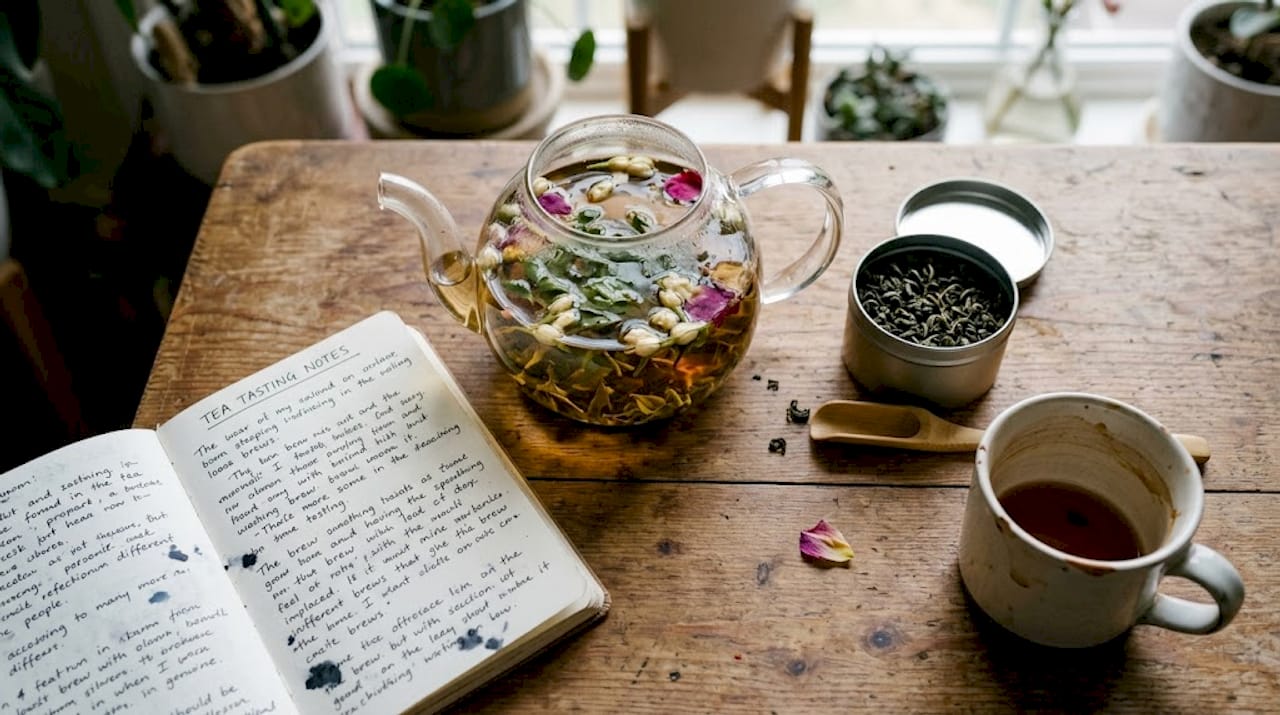
Lapsang Souchong meets Oolong for adventurous palates who want something bold. The pine-smoked base of Lapsang grounds the floral complexity of oolong, creating layers of smoky sweetness that reward slow sipping. It’s dramatic in the best way.
Hibiscus Berry Fusion offers tangy, vibrant fruitiness with a jewel-bright color and naturally caffeine-free profile. It’s the blend that converts people who thought they didn’t like tea.
Whiskey Barrel Aged Tea brings a malty, robust character with a warm, whiskey-kissed aroma. It’s non-alcoholic, but the barrel aging pulls genuine depth out of the leaves in a way that feels sophisticated and entirely unique.
Herbal and spice-infused blends like rose and goji round out the wellness angle. These blends prioritize uplifting flavor while delivering antioxidant benefits, making them ideal for an afternoon ritual.
For those who want to master flavor layering across their home brewing practice, understanding the origin and processing of each blend type is the fastest path forward.
Pro Tip: When tasting a new exotic blend, pour a small amount and let it cool to room temperature before judging. Many blends reveal their best notes once the heat stops masking subtler aromas.
| Blend type | Origin region | Primary flavor notes | Caffeine level |
|---|---|---|---|
| Fudingdabai + Jinguanyin | Fujian, China | Floral, sweet, lush | Moderate |
| Lapsang Souchong + Oolong | Wuyi Mountains | Smoky, layered, complex | Moderate to high |
| Hibiscus Berry Fusion | Herbal, global | Tart, fruity, vibrant | None |
| Whiskey Barrel Aged Tea | Artisanal | Malty, smoky, warm | Moderate |
| Rose and Goji Herbal | Various | Floral, sweet, uplifting | Low to none |
How innovative blending changes flavor: the science and experience
Having met the stars of the blend world, discover the science and process innovations that create unforgettable cups.
The difference between a mediocre blend and an extraordinary one often comes down to when the blending happens. Here’s a simplified look at the process:
- Fresh leaf selection: Two or more tea varieties are harvested and matched based on complementary chemical profiles.
- Withering together: The leaves begin losing moisture side by side, allowing volatile compounds to interact before any heat is applied.
- Rolling and oxidation: Physical contact between varieties accelerates compound development, increasing theaflavins and reducing bitter catechins.
- Firing and drying: Heat locks in the blended flavor profile, preserving the chemical synergy created in earlier stages.
- Sensory evaluation: Master blenders taste at each stage and adjust ratios to optimize balance.
Metabolomics show variety blending boosts key metabolites, theaflavins rise and bitterness compounds fall, producing consistently superior sensory scores. That’s not poetic marketing language. It’s a measurable outcome that shows up in every tasting.
“The sensory and metabolomic profiles of blended teas demonstrate that combining varieties during early processing creates synergistic improvements in aroma, sweetness, and overall quality that neither variety achieves alone.”
When you compare the two approaches side by side, the difference is striking:
| Approach | Theaflavins | Bitterness | Aroma complexity | Sweetness |
|---|---|---|---|---|
| Single-origin | Baseline | Moderate | Defined, singular | Depends on variety |
| Fresh-leaf blend | Elevated | Reduced | Layered, multifaceted | Enhanced |
| Finished-leaf blend | Minimal change | Similar to single | Additive, not synergistic | Slight increase |
For home brewers, learning artisanal blending techniques and enhancing flavor step by step helps you get more from every steep. Even simple choices like water temperature and steeping duration interact with the blend’s compound profile to either amplify or mute its best qualities.
Which exotic tea blend fits your personal taste quest?
You’ve seen and understand the science; now let’s match the perfect blend to your unique taste adventure.
Sensory scores and flavor complexity are highest when blending occurs during early processing, which means the best blends are worth seeking out intentionally rather than grabbing whatever’s convenient.
Start by matching blend to mood. If you want energy and brightness, floral and citrus-forward blends do the job without the caffeine spike of espresso. For unwinding, herbal and spice blends with lower caffeine bring you down gently. If you’re feeling adventurous, reach for the smoky or barrel-aged options that challenge your palate in the best way.
Wellness goals matter too. Hibiscus-based blends are rich in natural antioxidants and completely caffeine-free. Matcha and green tea blends offer focused, clean energy. Herbal infusions with goji or rose hips deliver vitamin C and adaptogenic compounds.
Pairing your blend with food also unlocks new dimensions. A smoky oolong blend cuts through the richness of aged cheese. A hibiscus berry blend pairs perfectly with dark chocolate or fresh fruit. An herbal spice blend complements savory breakfasts.
For creative flavor techniques at home, experiment with cold brew, gongfu-style short steeps, and Western-style long brews. The same blend brewed in three different ways can taste like three distinct teas.
Pro Tip: Keep a tasting journal. Note the blend name, brewing method, water temperature, steep time, and your flavor impressions. After a few weeks, patterns emerge that guide you straight to your perfect cup.
- Energetic mood: Floral oolong blends or matcha-green tea fusions
- Relaxing mood: Herbal spice blends, rose and goji, chamomile bases
- Adventurous mood: Barrel-aged teas, Lapsang and oolong combinations
- Wellness focus: Hibiscus berry, goji, or antioxidant-rich green blends
- Food pairing: Match intensity; bold blends with rich foods, delicate blends with light fare
Why most tea lovers overlook blend quality—and how to taste the difference
Here’s the honest take: most people approach tea the same way they approach grocery shopping. They grab a recognizable name, brew it the same way every time, and call it good. Single origins get celebrated as the peak of sophistication, and mass-market blends get dismissed as convenience products. Both assumptions miss something important.
The real magic happens in the space between those two poles. An expertly crafted blend, made with genuine process intention, delivers sensory complexity that no single origin can replicate. The artisanal flavor profiles that define exceptional blends aren’t accidents. They’re the result of deliberate decisions about which varieties interact, at what stage, and in what proportion.
Tasting with intention changes everything. Instead of drinking on autopilot, pay attention to how the flavor evolves across three or four sips. Notice the aroma before the first taste. Let the finish tell you something. That level of engagement transforms exotic tea from a novelty into a genuine practice.
Bring home your next favorite exotic tea blend
Ready to transform your brewing with these sensory adventures? Everything we’ve covered here, from fresh-leaf chemistry to flavor matching, points to one thing: the right blend changes the experience completely.
At Variatea Coffee, we’ve built our tea collection around exactly the kind of thoughtful, high-concept blends this article explores. If barrel-aged depth is calling your name, the Whiskey Barrel Aged Tea delivers everything the science promises: malty, warm, and complex. For something vibrant and caffeine-free, the Hibiscus Berry Tea is the bold, tangy brew that earns a permanent spot in your rotation. Start with one that matches your mood and follow your curiosity from there.
Frequently asked questions
What makes a tea blend ‘exotic’?
Exotic tea blends combine rare ingredients or unique processing methods to create complex flavors beyond typical supermarket teas. Metabolomics show blending boosts chemical complexity in ways that single-origin leaves simply can’t match.
How do fresh-leaf blends differ from regular blends?
Blending teas during the fresh leaf stage results in higher theaflavins, more floral notes, and greater sweetness than blends mixed after drying. Fresh-leaf blending increases floral volatiles and reduces bitterness compounds through direct chemical interaction between the varieties.
Which blend is best for someone new to exotic teas?
Starter-friendly blends feature familiar bases like black or green tea paired with one adventurous ingredient such as berry, citrus, or spice, giving you something recognizable to anchor the new flavor.
How should exotic tea blends be brewed for optimal flavor?
Use filtered water, follow time and temperature guidance specific to each blend type, and try different methods like cold brew or short gongfu-style steeps to reveal new flavor notes from the same leaves.