

Explore artisan coffee varieties for unique flavor experiences
TL;DR:
- True artisan coffee emphasizes small-batch roasting, origin-specific sourcing, and flavor transparency.
- Popular varieties include Ethiopia Yirgacheffe, Guatemala Antigua, and whiskey barrel-aged blends.
- Proper brewing with fresh grounds, filtered water, and temperature control enhances artisan flavor.
Most coffee drinkers settle into a routine: same bag, same brew, same result every morning. But if you’ve ever sipped a cup that made you stop and actually think about what you were tasting, you already know there’s a wider world out there. Artisan coffee isn’t just a marketing term. It’s a fundamentally different approach to sourcing, roasting, and crafting flavor. This guide walks you through what makes a coffee truly artisan, which varieties deserve a spot in your rotation, and how to brew them at home so every note comes through exactly as intended.
Table of Contents
- How to spot true artisan coffee: What sets it apart
- Top artisan coffee varieties to explore
- Artisan blends versus single origin: Which delivers more flavor?
- Maximizing artisan flavors at home: Brewing tips and tricks
- Our take: How to discover your signature artisan blend
- Ready to taste? Explore artisan flavors from Variatea Coffee
- Frequently asked questions
Key Takeaways
| Point | Details |
|---|---|
| Artisan coffee essentials | True artisan coffees are produced in small batches with careful roast and blend control for unique flavors. |
| Variety has impact | Both single origin and artisanal blends can offer standout flavors, depending on personal preference. |
| Brewing matters | Proper technique and equipment help showcase the complex notes of artisan coffees at home. |
| Explore & experiment | Trying a range of artisan varieties is the best way to discover your signature flavor. |
How to spot true artisan coffee: What sets it apart
With the excitement of exploring artisanal blends set, let’s first understand what separates true artisan coffee from standard brews.
Most commercial coffee is roasted in massive batches, blended for consistency, and optimized to taste the same every single time. That’s not a bad thing if predictability is your goal. But artisan coffee operates on a completely different philosophy. The focus shifts from uniformity to character.
True artisan coffee is defined by a few non-negotiable qualities:
- Small-batch roasting: Batches typically run between 5 and 50 pounds, which gives the roaster direct control over every variable.
- Origin-specific sourcing: Beans are selected from specific farms, cooperatives, or regions rather than pooled from anonymous sources.
- Intentional flavor development: Each roast profile is built around the bean’s natural characteristics, not a generic time-and-temperature formula.
- Transparency: Artisan roasters usually tell you where the bean came from, how it was processed, and why they roasted it the way they did.
The roasting process itself is where the magic happens. Artisan roasting mechanics involve small-batch production with precise temperature control, starting around 300°F during the drying phase and reaching 350 to 400°F near first crack, with every profile tailored to the bean’s origin for maximum flavor preservation. That level of precision simply doesn’t exist in commodity roasting.
“The best artisan roasters treat each origin like a fingerprint. No two are identical, and flattening them into a single profile wastes everything that makes the bean special.”
Local roasters and boutique brands are often the best places to find this quality. They’re small enough to care about every batch and connected enough to their supply chain to make real choices about sourcing. Exploring artisan coffee flavor profiles is a great way to start building your vocabulary for what you’re tasting and why it matters.
Once you understand what to look for, you’ll find it much harder to go back to standard grocery-aisle options.
Top artisan coffee varieties to explore
Now that you understand the hallmarks of artisan coffee, let’s dive into a list of standout varieties you should try next.
Because artisan roasters tailor the roast to each bean’s origin, the flavor differences between varieties can be dramatic. Here are five worth putting on your radar:
- Ethiopia Yirgacheffe: Often described as the most floral coffee in the world. Expect jasmine, bergamot, and bright citrus notes, especially in a light roast. Best brewed as a pour-over to let those delicate aromatics shine.
- Guatemala Antigua: Grown at high altitude in volcanic soil, this variety delivers rich chocolate undertones with a hint of spice and a smooth, full body. Excellent as a drip brew or French press.
- Kenya AA: The “AA” refers to bean size, which correlates with density and flavor intensity. Kenya AA is known for its bold berry brightness and a winey, complex acidity that coffee nerds absolutely love.
- Whiskey barrel-aged blends: This is where artisan coffee gets genuinely inventive. Beans aged in charred oak barrels absorb deep notes of bourbon, vanilla, and smoke without a drop of alcohol involved. It’s a layered experience unlike anything a standard roast can offer.
- Custom house blends: Signature blends created by boutique roasters often reflect years of experimentation. They’re designed to hit a specific flavor target and tend to be incredibly consistent batch to batch.
Pro Tip: When trying a new variety for the first time, brew it black. No milk, no sweetener. You want to taste the coffee itself before you start adjusting. Add anything you like afterward, but give the bean its moment first.
For a curated selection of small-batch artisanal picks or a deeper look at what single origin coffee can offer, there’s a lot of ground to cover and every cup teaches you something new.
Artisan blends versus single origin: Which delivers more flavor?
With so many varieties available, you might wonder whether artisan blends or single origin coffees offer the richest taste.
The honest answer is: it depends on what you mean by “flavor.”
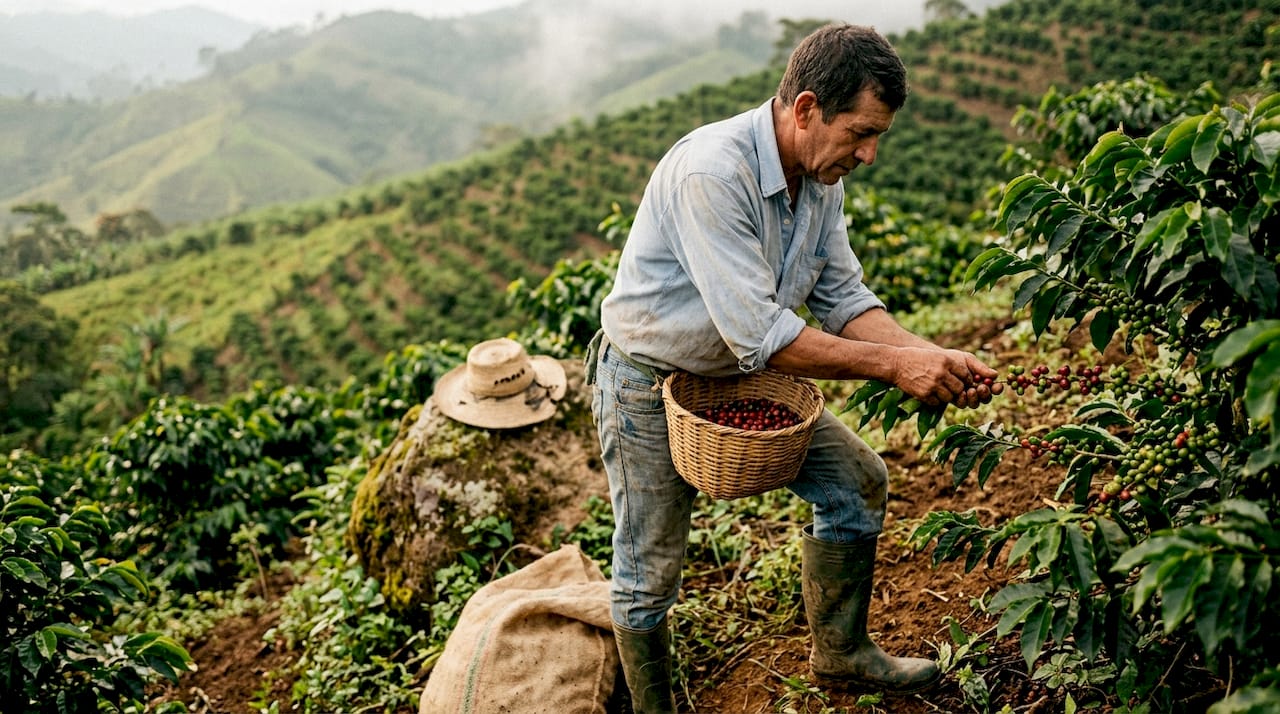
Single origin coffees are exactly what they sound like. The beans come from one specific place, sometimes one farm, one lot, or even one harvest. That specificity means the flavor is highly distinctive and tied directly to the environment where the coffee grew. Terroir, the French concept borrowed from wine, applies here. Soil, altitude, rainfall, and processing method all leave fingerprints in the cup.
Artisan blends, on the other hand, combine beans from multiple origins to build a flavor profile that no single origin could achieve alone. A roaster might pair a bright Ethiopian bean with a chocolaty Brazilian to create something balanced, complex, and approachable.
Here’s a quick comparison:
| Feature | Single origin | Artisan blend |
|---|---|---|
| Flavor character | Distinctive, terroir-driven | Layered, intentionally balanced |
| Consistency | Varies by harvest/season | Consistent across batches |
| Best for | Tasting exploration | Everyday drinking |
| Complexity | High, but narrow | Broad and nuanced |
| Brewing flexibility | Method-sensitive | Works across most methods |
Neither approach is superior. Roasting profiles tailored to both blends and single origin coffees are what unlock maximum flavor in either case. The roaster’s skill matters as much as the bean’s origin.
If you’re chasing a specific flavor experience, single origin is your best tool. If you want something that works beautifully every morning without demanding too much attention, a well-crafted blend wins. Explore premium coffee blends or dig into the single origin advantages to figure out which direction fits your palate.
Many enthusiasts end up keeping both on hand. That’s not indecision. That’s good taste.
Maximizing artisan flavors at home: Brewing tips and tricks
Once you’ve chosen your artisan coffee, getting the most out of it depends on how you brew.
Even the most exceptional bean can taste flat if you rush the process or skip the fundamentals. Precise control of grind size, water temperature, and brew method is what allows artisan flavor to fully express itself in the cup.
Here are the core principles to follow:
- Grind fresh, every time. Pre-ground coffee loses volatile aromatics within minutes. A burr grinder gives you consistent particle size, which directly affects extraction.
- Use filtered water. Tap water with heavy chlorine or mineral content will interfere with delicate flavor notes. Filtered water lets the coffee speak for itself.
- Control your temperature. Ideal brewing water sits between 195°F and 205°F. Boiling water at 212°F scorches the grounds and creates bitterness.
- Match your grind to your method. Coarse for French press, medium for drip, fine for espresso. Wrong grind size leads to over or under extraction.
Here’s a quick reference for common brewing methods:
| Brew method | Grind size | Water temp | Brew time | Coffee-to-water ratio |
|---|---|---|---|---|
| Pour-over | Medium-fine | 200°F | 3 to 4 min | 1:15 |
| French press | Coarse | 200°F | 4 min | 1:12 |
| Cold brew | Extra coarse | Cold/room temp | 12 to 24 hrs | 1:8 |
| Drip machine | Medium | 195 to 205°F | 5 to 6 min | 1:15 |
Pro Tip: For whiskey barrel-aged or heavily flavored blends, try a French press. The full immersion method pulls out more body and lets those oak and vanilla notes develop fully rather than passing quickly through a paper filter.
Food pairings can also amplify what’s already in the cup. A floral Ethiopian pairs beautifully with citrus pastries. A chocolaty Guatemala Antigua works with dark chocolate or almond biscotti. For more ideas, check out advanced brewing tips or explore the art of layering coffee flavors to take your home brewing further.
Our take: How to discover your signature artisan blend
Here’s something the variety lists and brewing guides won’t tell you: the “best” artisan coffee is the one you keep reaching for.
There’s a tendency in specialty coffee culture to treat tasting like an exam. You’re supposed to detect the bergamot, identify the processing method, and describe the finish in precise terms. That’s fun for some people. But it can also make the whole thing feel intimidating if you’re still developing your palate.
Our honest take is that experimentation beats expertise every time, especially early on. Try something unfamiliar. Brew it wrong once. Adjust. Notice what changed. That hands-on process teaches you more than any tasting note ever could.
Even seasoned coffee enthusiasts are regularly surprised by blends they expected to dislike. Curiosity is the only qualification you actually need. Learning to taste coffee complexity intentionally, without pressure to perform, is what turns a daily habit into a genuine craft.
Trust your palate. It’s more reliable than you think.
Ready to taste? Explore artisan flavors from Variatea Coffee
After exploring the world of artisan coffee varieties and brewing tips, you’re ready to try unique flavors for yourself.

At Variatea Coffee, we built our entire lineup around the idea that your cup should never be boring. Our whiskey barrel aged coffee is aged in authentic charred oak barrels to deliver deep notes of bourbon and vanilla without a drop of alcohol. For something seasonal and celebratory, our holiday blend brings warmth and complexity to every sip. Every product we offer is roasted in small batches, sourced with intention, and crafted to give you a flavor experience you genuinely can’t find on a standard grocery shelf. Your tasting journey starts here.
Frequently asked questions
What makes a coffee truly ‘artisan’?
Artisan coffee is crafted in small batches with precise temperature control and origin-based roast profiles that preserve and elevate each bean’s natural complexity. It’s the combination of sourcing transparency and roasting intention that sets it apart from commodity coffee.
Are blends or single origin coffees better for unique flavors?
Single origin coffees deliver distinct, terroir-driven flavors from one region, while blends combine beans for layered, balanced profiles. The roasting profiles tailored to each approach are what unlock their full potential, so the better choice really comes down to your personal taste goals.
How should I brew artisan coffee for the best flavor?
Use fresh-filtered water, dial in the right grind size for your method, and keep your brewing temperature between 195°F and 205°F. Precise grind and temperature control is what allows artisan coffee’s unique flavor notes to fully express themselves in the cup.
What are popular artisan coffee varieties for beginners?
Ethiopia Yirgacheffe, Guatemala Antigua, and well-crafted house blends are excellent starting points. They offer approachable, balanced flavor profiles that are complex enough to be interesting without being overwhelming for a developing palate.