

Examples of Coffee Mix-Ins to Transform Your Cup
TL;DR:
- Adding the right mix-ins can transform your daily coffee routine by enhancing flavor, texture, and aroma. Choices include milk and cream, sweeteners, spices, extracts, and toppings, each contributing unique effects and depth. Tailoring combinations to your brew style and tasting gradually ensures a balanced, exciting coffee experience.
Most coffee drinkers hit a wall with their daily brew. Same beans, same ratio, same flavor. The good news? Knowing the right examples of coffee mix-ins can completely change what ends up in your mug. Coffee fits into five main categories of mix-ins: milk and cream, sweeteners, spices, extracts, and toppings. Each one pulls a different lever on flavor, texture, or aroma. This guide covers the best options across all five, with practical tips on what works, what to avoid, and how to combine them for a cup that actually excites you.
Table of Contents
- Key takeaways
- 1. Examples of coffee mix-ins: milk, cream, and dairy alternatives
- 2. Sweeteners and syrups that add character, not just sugar
- 3. Spices and extracts for warmth and complexity
- 4. Toppings and dessert-style add-ons
- 5. Choosing the right mix-ins for your coffee style
- My honest take on exploring coffee mix-ins
- Discover Variatea Coffee’s blends made for bold mix-ins
- FAQ
Key takeaways
| Point | Details |
|---|---|
| Five core mix-in categories | Creams, sweeteners, spices, extracts, and toppings each offer distinct flavor and texture effects. |
| Start small and taste | Add mix-ins in small amounts first, especially in cold brew, to avoid overpowering the coffee. |
| Match mix-ins to brew style | Cold brew pairs best with fat-based creamers and syrups; hot coffee handles spices and extracts better. |
| Infuse spices before brewing | Adding whole spices during steeping creates deeper flavor than stirring ground spices in afterward. |
| Use the right milk alternative | Barista-blend oat milk froths and blends smoothly; standard versions often separate or stay flat. |
1. Examples of coffee mix-ins: milk, cream, and dairy alternatives
The creamers and milk options you choose set the foundation for every other mix-in you add. They change texture, mouthfeel, and how much the coffee’s original flavor shines through.
Here are the most popular options and what each brings to the cup:
- Half-and-half: Richer than whole milk, with enough fat to soften bitterness without masking flavor. Great for hot drip coffee.
- Heavy cream: The most indulgent choice. A small pour goes a long way, creating a thick, velvety texture.
- Whole milk: A balanced, lightly creamy option that steams and froths well for lattes.
- Oat milk: Naturally sweet with a mild, grain-forward flavor. Works well in both hot and iced formats.
- Almond milk: Lighter body with a subtle nuttiness. Better in cold formats since it can separate when heated.
- Coconut milk: Adds a tropical creaminess and pairs exceptionally well with chocolate or caramel-flavored coffees.
Fat-based additions like heavy cream or oat milk complement cold brew’s smooth, low-acid character without competing with the coffee’s flavor. That’s why so many cold brew recipes lean on these rather than lighter milks.
Pro Tip: Use a barista-blend oat milk rather than standard oat milk. Barista-specific milk alternatives are formulated to froth properly in cold coffee, while regular versions often just blend without producing any foam.
2. Sweeteners and syrups that add character, not just sugar
Not all sweetness is created equal. The way you sweeten your coffee shapes the entire flavor profile, and the best coffee add-ins ideas go far beyond a spoonful of white sugar.
- Simple syrup: Dissolves evenly in hot or cold coffee without grittiness. Flavor-neutral and easy to make at home with equal parts sugar and water.
- Vanilla syrup: The most popular flavored syrup for a reason. It rounds out bitterness and adds a subtle, warm sweetness.
- Caramel syrup: Deep, buttery, and rich. Pairs especially well with espresso-based drinks and oat milk.
- Chocolate syrup: Adds cocoa sweetness and works beautifully in cold brew or iced lattes.
- Maple syrup: Earthy and complex. A natural sweetener that brings genuine depth rather than just sugar flavor.
- Honey syrup: Make it by warming equal parts honey and water until combined. Regular honey clumps in cold coffee; the syrup form mixes perfectly.
- Sweetened condensed milk: Used widely in Vietnamese-style iced coffee. Thick, sweet, and creamy all in one.
- Brown sugar: Adds a molasses note that white sugar never delivers. Try it dissolved in a splash of warm water before adding to cold brew.
A proven starting point for iced coffee: 1oz caramel syrup, 2oz espresso, 5oz creamy oat milk in a 16oz glass with ice. That ratio gives you a sweet, balanced, cafe-quality drink without guesswork.
Pro Tip: When working with cold brew, start with less than you think you need. Cold brew is already concentrated and smooth, so sweeteners hit harder than in a standard drip cup. Taste first, then add.
3. Spices and extracts for warmth and complexity
Spices are where creative coffee flavorings really come alive. A pinch of the right spice can make a morning cup feel completely different from anything you’d order at a coffee shop.
The most useful spices to keep on hand include:
- Cinnamon: The go-to spice for coffee. Sprinkle on top or stir in for warmth and sweetness without sugar.
- Nutmeg: A small pinch adds depth and a faintly nutty, earthy note. Easy to overdo, so use sparingly.
- Cardamom: Widely used in Middle Eastern coffee traditions. Floral, slightly citrusy, and surprisingly bold.
- Cloves: Intense and aromatic. Best used as a whole spice during brewing rather than ground and stirred in.
- Star anise: Licorice-like and aromatic. Works well when cold-steeped with coffee grounds.
- Pumpkin spice blend: A cinnamon, nutmeg, ginger, and clove combination that works year-round, not just in fall.
The most effective technique here is infusion rather than stirring. Infusing spices like cinnamon sticks and vanilla beans with coffee grounds during cold brew steeping pulls aromatic oils out gently, creating depth without harshness. Stirring ground spices into cold coffee leaves grit at the bottom of your glass.
Extracts are an easier entry point if you want flavor without texture concerns. A few drops of vanilla or almond extract added after brewing delivers immediate aroma and flavor. No steeping required. For a deeper look at combining spices with your grounds, the Variatea Coffee guide on spice-infused coffee blending walks through the full process.
Pro Tip: Never add ground spices directly to cold brew or iced coffee. They do not dissolve in cold liquid and settle as a gritty layer. Dissolve them in a small amount of warm water first, then stir the liquid into your coffee.
4. Toppings and dessert-style add-ons
This is where your coffee stops being a morning routine and starts being an experience. Toppings are the finishing touches that change both texture and presentation.
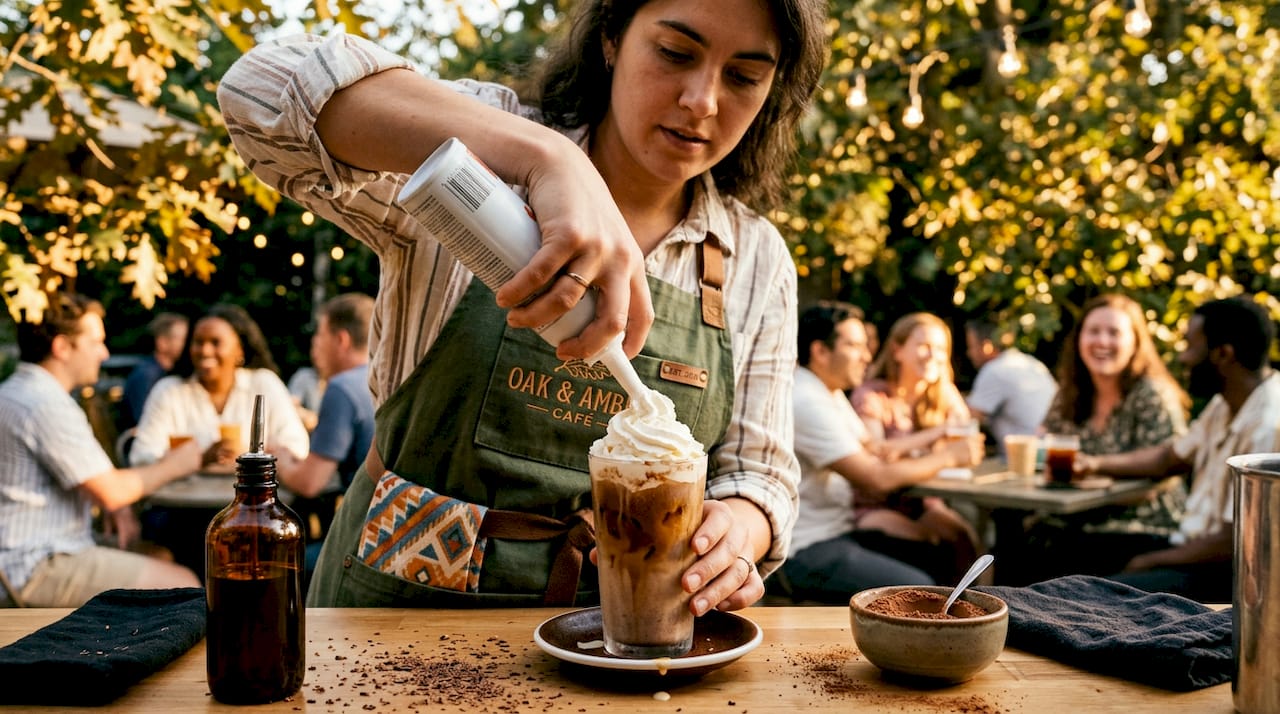
Whipped cream is the most obvious choice, but how you use it matters. A generous dollop on cold brew lets the cream slowly melt and blend in as you drink, creating a shifting texture that gets richer toward the bottom of the glass.
Sweet cream cold foam takes it further. Made by whipping heavy cream with a small amount of vanilla syrup, it creates a thick, dense layer that sits on top of cold coffee rather than sinking. The mouthfeel and texture of coffee change dramatically with cream-based toppings, making them as important a choice as flavor. You can also find ready-made sweet cream enhancers in vanilla, brown sugar, and white chocolate macadamia flavors designed specifically to replicate that cafe-style finish at home.
Other toppings worth trying:
- Mini chocolate chips: Drop a small handful on top of whipped cream or cold foam. They add crunch and a slow chocolate release as they melt.
- Cookie crumbles: Graham crackers, biscotti, or shortbread crumbled over foam add texture and a bakery-style vibe.
- Caramel drizzle: Swirled inside the glass before adding ice and coffee, or drizzled on top of foam. Adds sweetness in every sip rather than just on the surface.
- Ice cream scoop: A single scoop of vanilla ice cream in cold brew creates a coffee float. The ice cream melts slowly, sweetening and creamifying the cup as you drink.
For the cocoa lovers: do not add cocoa powder directly to cold coffee. Mix cocoa powder into warm water first to form a smooth paste, then stir that into your cold brew. This prevents clumping and distributes chocolate flavor evenly throughout. The full technique for working chocolate into coffee is covered in Variatea Coffee’s guide on gourmet chocolate coffee.
5. Choosing the right mix-ins for your coffee style
Knowing what to add to coffee is one thing. Knowing which combinations suit different brewing styles is what separates a good cup from a great one.
| Mix-in category | Hot coffee | Cold brew or iced | Ease of use | Flavor complexity |
|---|---|---|---|---|
| Heavy cream / half-and-half | Excellent | Good | Very easy | Low to medium |
| Oat milk (barista blend) | Good | Excellent | Easy | Medium |
| Flavored syrups | Excellent | Excellent | Very easy | Medium |
| Ground spices | Good | Poor (grittiness) | Moderate | High |
| Whole spice infusion | Not ideal | Excellent | Requires planning | Very high |
| Vanilla / almond extract | Excellent | Good | Very easy | Medium |
| Whipped cream / cold foam | Good | Excellent | Moderate | Medium |
| Sweetened condensed milk | Good | Excellent | Easy | Medium-high |
A few combinations worth trying right away: vanilla syrup plus barista oat milk in espresso over ice, chocolate syrup plus coconut milk in cold brew, or a brown sugar simple syrup plus a pinch of cardamom in drip coffee.
The most common mistake is adding too many mix-ins at once. When you layer sweetener, cream, spice, and topping without tasting at each step, flavors muddy quickly and the coffee disappears underneath everything else. Testing label serving sizes yields more consistent and balanced results than adding by feel.
Pro Tip: Build your mix-in combinations one element at a time. Start with your creamer, taste it, then add sweetener, taste again, and finish with spice or topping. This gives you control and helps you understand what each component actually contributes.
My honest take on exploring coffee mix-ins
I’ve made the mistake of overcomplicating this. Early on, I thought the more I added, the better the cup would be. Vanilla syrup, oat milk, cinnamon, caramel drizzle, and cold foam all at once. The result tasted like dessert soup.
What I’ve learned is that balancing flavor with complementary mix-ins is the real skill here. The goal is to enhance the coffee, not bury it. The best cups I’ve made came from understanding the base first. A smooth cold brew needs less intervention than a sharp, light roast drip.
I’ve also found that traditional pairings earn their reputation. Cinnamon in drip coffee. Half-and-half in dark roast. Vanilla in espresso. They work because the flavor combinations are genuinely balanced, not because they’re boring. Start there before you experiment outward.
The most rewarding discovery? Whole spice infusions. Steeping a cinnamon stick and a vanilla bean overnight with cold brew grounds produces a flavor you cannot replicate by stirring anything in afterward. It takes patience but the result is something you will not find in any coffee shop.
Trust your palate over any recipe. Mix-in ratios are starting points, not rules.
— Jonathan
Discover Variatea Coffee’s blends made for bold mix-ins
If you are serious about creative coffee mix-ins, the beans you start with matter just as much as what you add to them.

Variateacoffee’s Whiskey Barrel Aged Coffee is one of the best bases you can use for mix-in experiments. The deep, smoky bourbon and vanilla notes the barrel aging creates pair brilliantly with caramel syrup, brown sugar cold foam, or a single splash of heavy cream. It’s a coffee that already carries complexity, so even a single well-chosen mix-in transforms it into something genuinely special.
Every blend at Variateacoffee is roasted to order and shipped fresh, which means you taste the coffee at its peak before anything else touches it. That matters when you’re building flavor on top of a base. Explore the full coffee and tea collections and find the blend that becomes your new canvas.
{% include youtube.html id=“mTyQWuYcg_k?si=wPv_8KdEmtrXq5gP” %}
FAQ
What are the most popular coffee mix-ins?
The most popular coffee mix-ins include creamers like oat milk and half-and-half, flavored syrups such as vanilla and caramel, and spices like cinnamon. These five main mix-in categories cover the full range from simple to complex flavor additions.
Can you add spices directly to cold brew?
Ground spices do not dissolve in cold liquid and create a gritty texture. Instead, infuse whole spices during steeping, or dissolve ground spices in warm water first before adding the liquid to your cold brew.
What is the best milk alternative for coffee?
Barista-blend oat milk is the best all-around choice for both hot and cold coffee. Unlike regular oat milk, the barista version is formulated to froth and blend smoothly without separating.
How do you add chocolate flavor to coffee without grittiness?
Combine cocoa powder with a small amount of warm water to form a paste before stirring it into cold coffee. This prevents clumping and distributes chocolate flavor evenly throughout the drink.
What mix-ins work best for cold brew specifically?
Fat-based mix-ins like heavy cream and oat milk, along with liquid sweeteners like syrups and condensed milk, work best in cold brew. Avoid ground spices and dry powders unless pre-dissolved first.