

Discover unique coffee blends for premium flavor experiences
Finding a coffee blend that delivers bold, innovative flavors can transform your daily routine from ordinary to extraordinary. With countless options on the market, identifying what makes a blend truly unique requires understanding the interplay of origins, roasting techniques, and processing methods. For adventurous brewers seeking artisanal quality, the right blend balances complexity with approachability, offering taste profiles that stand apart from standard grocery store offerings. This guide walks you through the criteria that define exceptional blends, highlights standout examples, and helps you select the perfect match for your palate and brewing style.
Table of Contents
- Key takeaways
- Evaluating what makes a coffee blend unique
- Unique coffee blends redefining flavor profiles
- Comparing blending methods and innovative techniques
- Summary comparison of unique coffee blends
- Choosing the right unique blend for your palate and routine
- Explore premium unique coffee blends at Variatea Coffee
- FAQ
Key Takeaways
| Point | Details |
|---|---|
| Blend composition balance | Understanding blend composition means recognizing that base coffees provide the majority of the blend and character coffees add distinct notes. |
| Origin pairing dynamics | Pairing origins such as Central American for chocolate notes or African beans for floral tones creates complexity without clashing flavors. |
| Roasting approach impact | Roasting strategy matters, with separate origin roasting preserving traits while blend-then-roast yields a more uniform profile. |
| Processing method effects | Processing methods like washed, natural, and honey shape acidity and body and should be disclosed by roasters to help predict flavor. |
Evaluating what makes a coffee blend unique
Understanding blend composition starts with recognizing the roles different beans play. Base coffees provide 60-70% of the blend, typically Brazilian or Colombian beans that deliver body, sweetness, and structural foundation. Character coffees make up the remaining 20-30%, introducing distinctive notes like Ethiopian fruit brightness or Kenyan wine-like acidity. This balance creates complexity without overwhelming the palate.
Roasting approach dramatically impacts the final cup. Roasting beans separately to their optimal levels before blending preserves each origin’s unique characteristics, allowing fruity Ethiopian notes to shine alongside nutty Brazilian undertones. Alternatively, blend-then-roast creates a more uniform, integrated flavor profile but may mask subtle nuances. Your choice depends on whether you prioritize distinct origin expression or harmonious integration.
Processing methods add another layer of complexity. Washed coffees deliver clean, bright acidity with pronounced origin characteristics. Natural processed beans contribute fruity, wine-like sweetness and fuller body. Honey processed coffees split the difference, offering moderate sweetness with clearer acidity than naturals. Combining these methods for selecting and combining base and accent coffees for blends allows roasters to craft multi-dimensional profiles that evolve as the cup cools.
Pro Tip: When evaluating blends, look for roasters who specify the percentage breakdown and processing methods. This transparency indicates quality control and helps you predict flavor outcomes based on your preferences.
Origin pairing requires thoughtful consideration. Central American coffees bring chocolate and nut notes with balanced acidity. African coffees contribute floral, fruity, and tea-like qualities. Indonesian beans add earthy, herbal depth with syrupy body. The most successful blends combine complementary traits rather than competing flavors, creating a sum greater than individual parts.
Unique coffee blends redefining flavor profiles
Swiss Water’s Premium Espresso Blend demonstrates masterful origin pairing by combining nutty caramelly washed Latin American with fruity chocolatey natural Ethiopian Sidamo. This combination produces balanced notes of chocolate, berry, and stone fruits that work beautifully in both straight espresso and milk-based drinks. The washed Latin American base provides structural integrity while the natural Ethiopian adds vibrant fruit complexity.
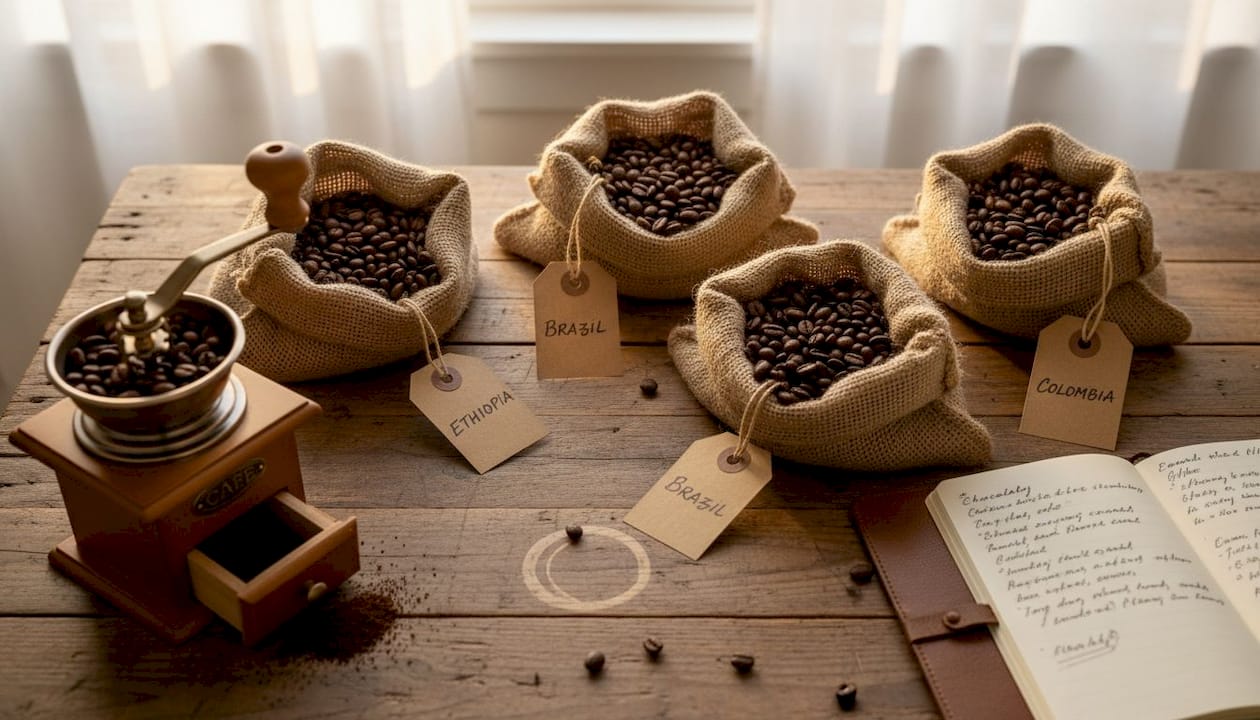
Artisanal roasters increasingly experiment with cross-continental blends that challenge traditional pairing rules. A Latin American blend might combine Colombian supremo for caramel sweetness with Costa Rican tarrazu for bright citrus notes, creating layered complexity within a single region’s offerings. These regional blends allow you to explore subtle terroir variations while maintaining flavor coherence.
African espresso blends push boundaries by mixing washed Kenyan beans with natural Ethiopian and Rwandan coffees. The result is a fruit-forward espresso with blackcurrant and blueberry notes balanced by wine-like acidity. This approach works particularly well for pour-over methods that highlight aromatic complexity.
Some roasters create seasonal blends that rotate character coffees while maintaining a consistent base. A winter blend might feature Indonesian Sumatra for earthy warmth, while the summer version incorporates bright Kenyan beans for refreshing citrus notes. This strategy lets you explore variety without abandoning familiar structural elements.
The most innovative blends often showcase intentional flavor contrasts. Pairing bright, acidic coffees with low-acid, chocolatey beans creates dynamic tension that keeps your palate engaged. Similarly, combining light-roasted character beans with medium-roasted base coffees produces complexity that reveals different notes at various temperatures.
Comparing blending methods and innovative techniques
Roasting methodology fundamentally shapes blend character. Roasting separately to optimal levels before blending preserves individual traits, allowing each origin to reach its peak development. Light roasts retain origin acidity and floral notes, medium roasts balance sweetness with body, and darker roasts emphasize caramelized sugars and roast character. Blending after roasting lets you combine these different development levels for maximum complexity.
Blend-then-roast creates uniformity by developing all beans together. This method works well for espresso blends where consistency matters more than origin distinction. The beans caramelize at similar rates, producing integrated sweetness and predictable extraction. However, this approach sacrifices the nuanced layering that separate roasting provides.
Barrel-aging represents the frontier of innovative processing. This technique imparts vanilla and oak notes when managed well but requires precise humidity control to prevent mold growth. The coffee absorbs residual spirits and wood compounds from charred oak barrels, creating bourbon-like complexity without alcohol content. Best suited for espresso or milk-based drinks, whiskey barrel aged coffee delivers sophisticated depth that appeals to adventurous palates.
Pro Tip: Barrel-aged blends shine in cappuccinos and lattes where milk’s sweetness complements vanilla and oak notes. Try them as a dessert coffee to appreciate their full complexity.
Cold brew blends require different considerations than hot brewing methods. Coarse grinding and extended steep times extract different compounds, favoring chocolatey, low-acid beans over bright, fruity origins. Successful cold brew blends typically feature Brazilian and Colombian bases with minimal Ethiopian or Kenyan character coffees, preventing excessive acidity in the final concentrate.
| Method | Flavor preservation | Integration level | Best application |
|---|---|---|---|
| Roast-then-blend | High origin distinction | Moderate | Pour-over, filter coffee |
| Blend-then-roast | Moderate origin distinction | High | Espresso, consistent profiles |
| Barrel-aging | Unique added notes | Variable | Milk drinks, dessert coffee |
Summary comparison of unique coffee blends
Comparing notable blends helps you identify patterns that match your preferences. Understanding the composition breakdown, processing methods, and roasting approaches clarifies why certain blends deliver specific flavor profiles.
| Blend type | Origin makeup | Processing | Roasting approach | Key flavor notes |
|---|---|---|---|---|
| Swiss Water Premium Espresso | 60% Latin American, 40% Ethiopian | Washed + Natural | Roast-then-blend | Chocolate, berry, stone fruit |
| Latin American Regional | 70% Colombian, 30% Costa Rican | Washed | Blend-then-roast | Caramel, citrus, balanced |
| African Espresso | 50% Kenyan, 30% Ethiopian, 20% Rwandan | Washed + Natural | Roast-then-blend | Blackcurrant, blueberry, wine-like |
| Whiskey Barrel-Aged | 80% Brazilian, 20% Colombian | Natural + Barrel-aged | Roast-then-barrel | Vanilla, oak, bourbon, chocolate |
| 6 Bean Blend | Multi-origin (6 countries) | Mixed processing | Roast-then-blend | Complex, layered, evolving |
Multi-origin blends like the 6 Bean Blend offer maximum complexity by incorporating beans from six different countries, each contributing distinct characteristics. This approach creates a cup that evolves as it cools, revealing different notes at various temperatures. The trade-off is less clarity compared to simpler two or three-bean blends.
Regional blends provide a middle ground between single-origin clarity and multi-origin complexity. By focusing on one geographic area, these blends showcase terroir variations while maintaining flavor coherence. They work well for daily drinking when you want interest without overwhelming intensity.
Barrel-aged blends occupy a unique category, adding processing complexity rather than origin diversity. The aging process becomes the defining characteristic, overshadowing subtle origin distinctions. These blends appeal to coffee drinkers seeking novel experiences beyond traditional flavor profiles.
Choosing the right unique blend for your palate and routine
Identifying your flavor preference narrows the field significantly. If you enjoy fruity, bright coffees, prioritize blends with significant Ethiopian or Kenyan components processed naturally. Chocolate and nut lovers should seek Latin American-heavy blends with washed processing. Those craving exotic, experimental profiles will appreciate barrel-aged or multi-origin options that push traditional boundaries.
Brewing method compatibility matters more than many realize. Espresso demands blends with enough body and sweetness to cut through milk, typically featuring Brazilian or Indonesian bases. Pour-over methods highlight clarity and complexity, favoring roast-then-blend approaches with distinct origin characteristics. French press brewing emphasizes body and mouthfeel, working well with natural processed blends that deliver fuller texture.
Follow this selection framework:
- Clarify your primary use case: daily drinking, weekend espresso, or special occasion brewing
- Assess desired intensity level from delicate and nuanced to bold and robust
- Determine your experimental comfort zone: classic profiles versus innovative processing
- Consider whether you prefer consistency or seasonal variety in your coffee routine
- Sample small quantities before committing to larger purchases
Occasion-based selection helps you build a versatile home coffee bar. Keep a reliable breakfast blend for morning efficiency when you need consistent, approachable flavor. Stock an adventurous blend for weekend experimentation when you have time to dial in brewing parameters. Add a barrel-aged or dessert-oriented option for after-dinner enjoyment.
Don’t hesitate to expand your horizons through sampling. Many roasters offer sample packs that let you compare multiple blends side by side. This approach accelerates your learning curve by highlighting how origin ratios, processing methods, and roasting techniques create distinct flavor outcomes. You’ll quickly develop preferences that guide future purchases.
Explore premium unique coffee blends at Variatea Coffee
Variatea Coffee curates a selection of blends that balance base and character coffees with expert precision. Each offering demonstrates thoughtful origin pairing and processing innovation designed for adventurous brewers seeking premium flavor experiences. The Max Caf Blend coffee delivers bold intensity for those who want maximum caffeine alongside complex flavor, while the Whiskey Barrel Aged coffee provides sophisticated bourbon and vanilla notes without alcohol content.

Quality roast profiles ensure each blend reaches its optimal development, whether you prefer the bright complexity of African origins or the chocolatey depth of Latin American bases. Shopping at Variatea Coffee gives you access to small-batch quality and unique taste profiles unavailable in standard retail channels. Explore the collection to find blends that transform your daily brewing routine into an artisanal experience.
FAQ
What are the main benefits of blending coffees from different origins?
Blending creates balanced body, acidity, and flavor complexity that single origins cannot achieve alone. By combining beans with complementary characteristics, roasters craft profiles that offer multiple flavor dimensions in one cup. This approach lets you experience the chocolate notes of Brazilian beans alongside the fruit brightness of Ethiopian coffees without brewing separate batches.
How does barrel-aging influence the taste of coffee blends?
Barrel-aging imparts vanilla and oak notes when managed well, adding bourbon-like complexity to the coffee. The process requires precise humidity control to prevent mold growth and flavor degradation. These aged profiles work best in espresso or milk-based drinks where the added sweetness complements dairy components, creating a dessert-like experience.
What is the difference between roast-then-blend and blend-then-roast methods?
Roast-then-blend preserves individual traits by developing each origin separately to its optimal roast level before combining. This method maximizes complexity and origin distinction. Blend-then-roast develops all beans together, yielding a more uniform, integrated flavor profile with predictable consistency. The first approach suits filter coffee and pour-over, while the second works well for espresso where uniformity matters.
How do processing methods affect blend flavor profiles?
Washed processing delivers clean, bright acidity with pronounced origin characteristics. Natural processing contributes fruity sweetness and fuller body with wine-like notes. Honey processing offers moderate sweetness between the two extremes. Blending different processing methods creates multi-dimensional profiles that reveal different notes as the coffee cools, adding interest to each cup.
Should I choose regional blends or multi-origin blends for daily drinking?
Regional blends provide flavor coherence while showcasing terroir variations within a geographic area, making them excellent for consistent daily drinking. Multi-origin blends offer maximum complexity but may lack the clarity some prefer for morning routines. If you value approachable consistency, start with regional options. If you enjoy exploring evolving flavor profiles, multi-origin blends reward attention and experimentation.