

Discover the coffee ritual: elevate your brewing experience
Most people treat coffee like fuel, rushing through preparation to get caffeine into their system. But what if your morning brew could become a moment of genuine enjoyment rather than just another task? Coffee rituals transform ordinary preparation into a mindful practice that deepens flavor appreciation and creates space for presence in your day. This guide explores what coffee rituals are, why they matter, and how you can incorporate them into your routine to elevate every cup you brew.
Table of Contents
- Understanding The Coffee Ritual: Origins And Meaning
- Core Elements Of A Coffee Ritual: Beans, Grind, Water, And Method
- Mindfulness And Sensory Engagement In Coffee Rituals
- Incorporating The Coffee Ritual Into Your Daily Routine
- Enhance Your Coffee Ritual With Variatea’s Artisanal Blends
- What Is A Coffee Ritual And Why Is It Important?
Key takeaways
| Point | Details |
|---|---|
| Mindful preparation enhances flavor | Intentional brewing techniques control variables that directly impact taste and aroma. |
| Cultural traditions inform modern rituals | Coffee ceremonies from Middle Eastern and European cultures emphasize connection and sensory engagement. |
| Quality ingredients are foundational | Premium beans, precise grind size, and proper water temperature create the base for exceptional coffee. |
| Rituals adapt to any schedule | Both quick and extended versions can incorporate mindfulness without disrupting busy mornings. |
| Sensory focus deepens enjoyment | Engaging sight, smell, sound, and touch during brewing transforms routine into experience. |
Understanding the coffee ritual: origins and meaning
A coffee ritual is intentional, mindful preparation that treats brewing as an experience rather than a chore. Unlike grabbing a quick cup from a machine, rituals involve deliberate steps that engage your senses and attention. Coffee rituals have roots in centuries-old cultural practices that combine preparation with mindfulness and social connection.
These traditions emerged across diverse cultures. Ethiopian coffee ceremonies involve roasting green beans over charcoal while guests gather to share conversation. Turkish coffee preparation requires patient attention as finely ground beans simmer in a cezve. Japanese kissaten cafes elevated pour-over methods into precise art forms. Each tradition shares common threads: quality ingredients, careful technique, and presence during the process.
Coffee rituals connect multiple dimensions of well-being. The sensory experience activates smell, taste, and touch in ways that rushed preparation cannot. The social aspect creates opportunities for connection, whether sharing a pot with family or enjoying solo time before the day begins. The personal dimension offers a pause for reflection and intention setting.
Key elements that define coffee rituals include:
- Selecting quality beans that match your flavor preferences
- Measuring ingredients with precision rather than guessing
- Controlling water temperature and brewing time deliberately
- Engaging your senses throughout the preparation process
- Creating a consistent environment or sequence that signals transition
This approach contrasts sharply with utilitarian coffee making focused solely on caffeine delivery. Rituals acknowledge that how you prepare coffee affects not just the flavor in your cup but also your mental state and enjoyment. Exploring a diverse coffee collection helps you discover which beans resonate with your ritual preferences.
Core elements of a coffee ritual: beans, grind, water, and method
Every exceptional coffee ritual starts with premium beans. Freshly roasted coffee contains volatile compounds that create complex flavors and aromas. These compounds degrade over time, which is why beans purchased within two to four weeks of roasting deliver superior results. Single-origin beans showcase distinct regional characteristics, while blends offer balanced complexity. Quality beans and precise variables like grind size and water temperature play crucial roles in flavor development.
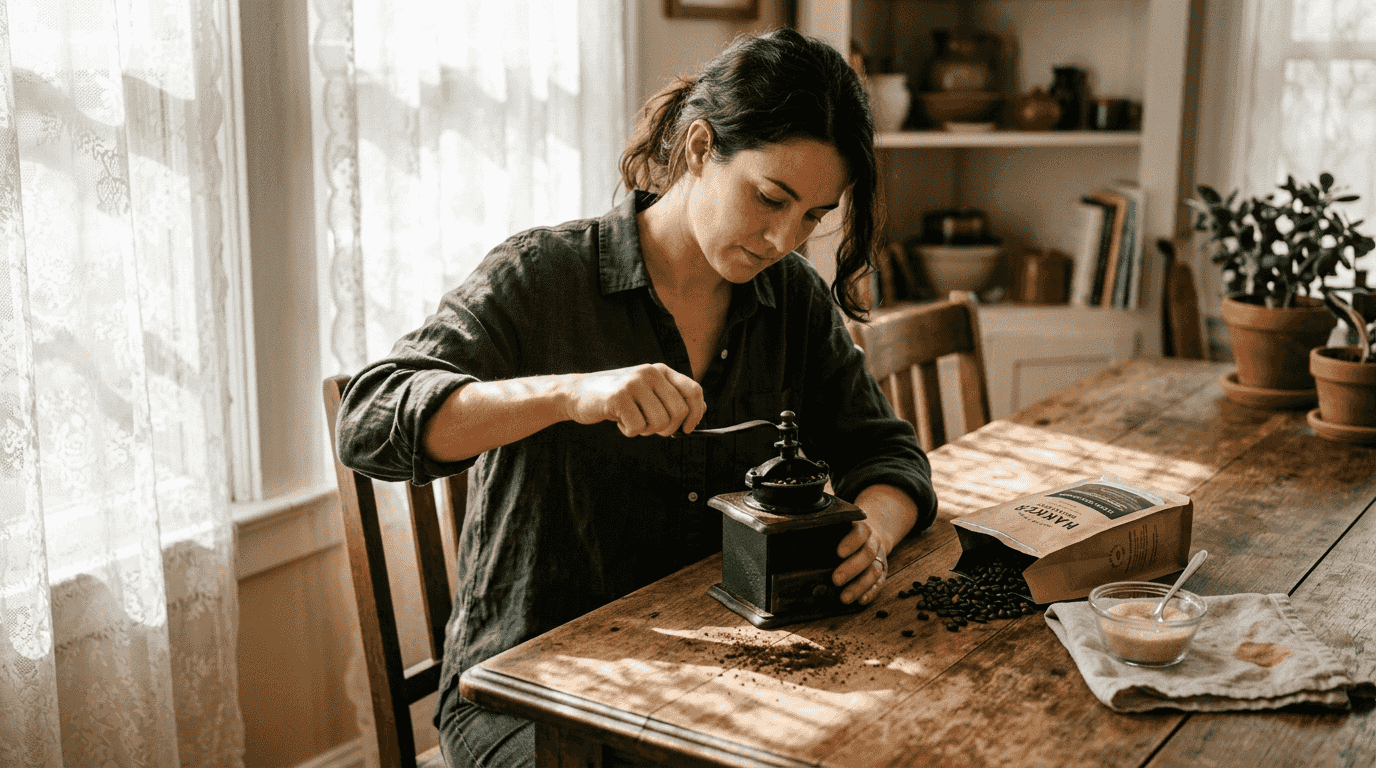
Grind size must match your brewing method for optimal extraction. Fine grinds expose more surface area to water, extracting quickly but risking bitterness if over-extracted. Coarse grinds require longer contact time to extract fully. Espresso demands powder-fine consistency, while French press needs coarse chunks. Inconsistent grinding creates uneven extraction where some particles over-extract while others under-extract, muddying flavors.
Water temperature affects which compounds dissolve from the grounds. Water between 195-205°F extracts balanced flavors, capturing both bright acids and rich body. Cooler water under-extracts, producing sour, weak coffee. Boiling water over-extracts, emphasizing bitter compounds. A simple thermometer or temperature-controlled kettle ensures consistency.
Brewing methods shape the ritual experience and final flavor profile:
| Method | Brew Time | Grind Size | Flavor Profile | | — | — | | Pour-over | 3-4 minutes | Medium-fine | Clean, bright, highlights origin characteristics | | French press | 4-5 minutes | Coarse | Full-bodied, rich, retains oils and sediment | | Espresso | 25-30 seconds | Extra-fine | Concentrated, intense, creamy texture | | Cold brew | 12-24 hours | Extra-coarse | Smooth, low-acid, naturally sweet |
Pour-over methods like V60 or Chemex offer control and clarity, perfect for appreciating nuanced flavors in premium beans like Max Caf Blend. French press preserves oils that paper filters remove, creating heavier body. Espresso concentrates flavors into a small, powerful shot. Cold brew coffee options provide smooth, mellow alternatives ideal for warm weather rituals.
Pro Tip: Weigh your coffee and water using a digital scale rather than measuring by volume. A 1:16 coffee-to-water ratio (15g coffee to 240g water) provides a reliable starting point that you can adjust to taste.
Experimenting with different beans through a single origin coffee pack reveals how origin and processing affect flavor, deepening your understanding of what you enjoy most in your ritual.
Mindfulness and sensory engagement in coffee rituals
Mindfulness in coffee preparation means bringing full attention to each step without distraction or rushing. This practice transforms brewing from autopilot routine into conscious experience. Mindfulness during brewing enhances sensory experience and emotional well-being linked to coffee drinking.
Sensory engagement activates multiple pathways to appreciation. Aroma compounds released during grinding and brewing provide the first flavor cues before you taste anything. The visual appeal of bloom during pour-over or crema forming on espresso signals proper extraction. Temperature sensations from holding a warm mug or feeling steam rise engage touch. The sound of water meeting grounds or a kettle reaching temperature creates auditory markers in your ritual sequence.
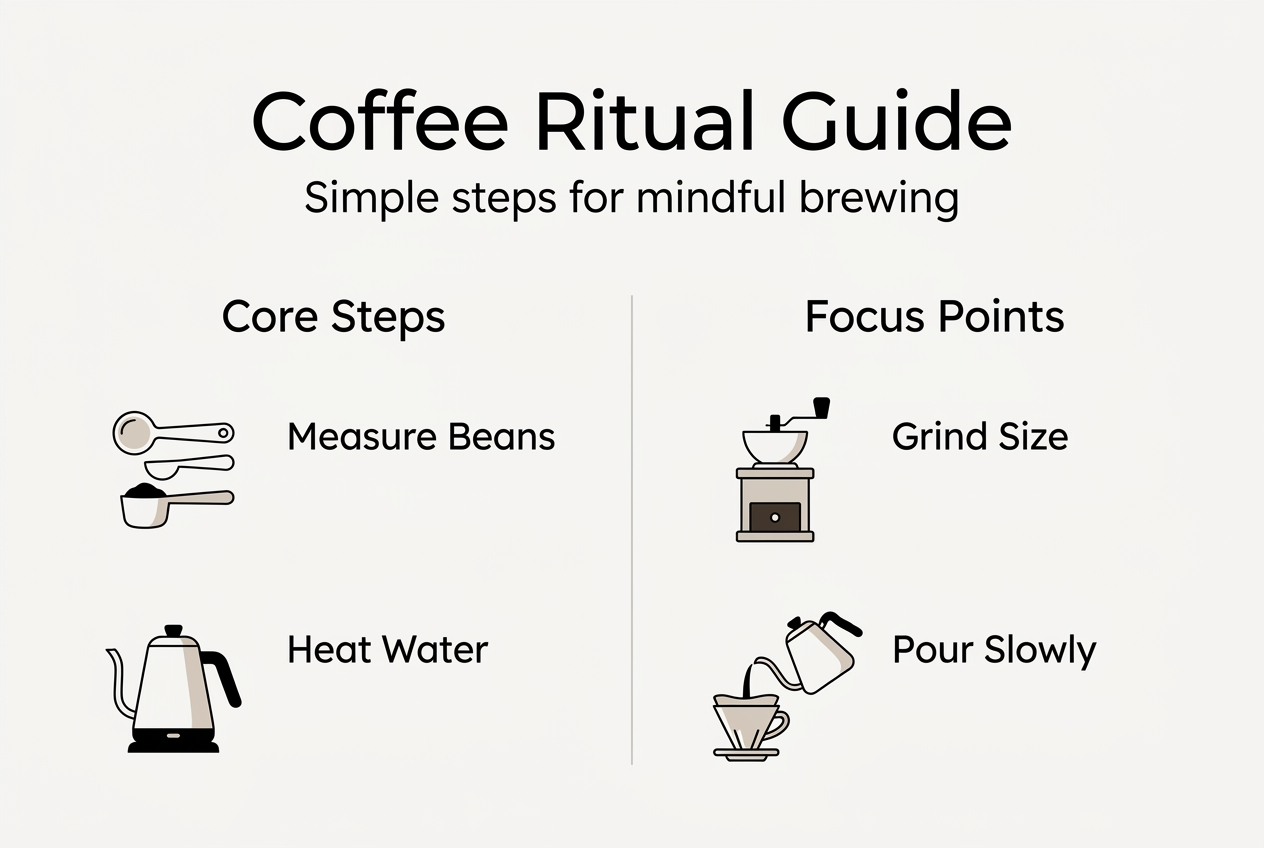
Slow, intentional steps promote relaxation by creating space between waking and productivity demands. Measuring beans, heating water, and watching coffee drip become micro-meditations that anchor you in the present. This deliberate pacing counteracts the rushed energy that often defines mornings.
“The ritual of coffee preparation offers a daily opportunity to practice presence and gratitude, transforming a simple beverage into a wellness practice that nourishes both body and mind.”
Common mindfulness prompts to apply during your ritual:
- Notice the aroma as you open your coffee bag and inhale deeply
- Observe the color change as water first contacts the grounds
- Listen to the sounds of water pouring and coffee dripping
- Feel the warmth of your mug in your hands before the first sip
- Taste deliberately, identifying specific flavor notes rather than gulping
These practices work equally well with tea preparation. Artisanal teas like hojicha offer roasted, caramel notes that appeal to coffee lovers while providing a lower-caffeine alternative for evening rituals. The Japanese tea ceremony tradition demonstrates how preparation itself becomes meditation.
Pro Tip: Set your phone aside during your coffee ritual. Even five minutes of undivided attention creates meaningful separation from digital demands and allows genuine sensory engagement.
Exploring the premium tea collection introduces variety into your mindfulness practice while maintaining the ritual structure you’ve developed.
Incorporating the coffee ritual into your daily routine
Starting a coffee ritual requires minimal equipment but intentional commitment. Follow these steps to establish your practice:
- Choose your brewing method based on time available and flavor preferences.
- Source fresh, quality beans and store them in an airtight container away from light.
- Prepare your space the night before by setting out equipment and measuring beans.
- Wake ten minutes earlier than usual to allow unhurried preparation.
- Follow your chosen method with attention to each step rather than multitasking.
- Taste mindfully, noting flavors and textures before starting your day.
Time constraints need not eliminate ritual elements. Establishing a consistent ritual enhances your sensory and emotional connection to coffee, improving daily satisfaction even in abbreviated forms.
| Ritual Type | Time Required | Key Steps | Sensory Focus |
|---|---|---|---|
| Quick morning | 5-7 minutes | Measure pre-ground beans, heat water, brew, taste | Aroma and first sip mindfulness |
| Extended ritual | 15-20 minutes | Grind fresh beans, precise measurements, slow brewing, multiple tastings | Full sensory engagement throughout |
Quick rituals maintain core elements while streamlining preparation. Pre-measure beans the night before. Use a temperature-controlled kettle that heats while you’re in the shower. Choose efficient methods like AeroPress or pour-over that brew in under four minutes. The key is preserving intention and sensory attention even when rushed.
Extended rituals allow deeper engagement. Grind beans immediately before brewing to maximize aroma. Bloom your grounds by adding just enough water to saturate them, waiting 30 seconds for gases to release before continuing your pour. Taste at different temperatures as the coffee cools, noticing how flavors evolve.
Premium blends enhance ritual satisfaction by delivering consistent, complex flavors worth savoring. Flavored coffee samples let you discover which profiles resonate with your palate, from bold and smoky to sweet and nutty. Variety prevents ritual from becoming monotonous routine.
Pro Tip: Batch-prep elements on Sunday for the week ahead. Portion individual servings of beans into small containers or bags. Fill your kettle and place it on the base so you only need to press a button. These small preparations preserve ritual quality while accommodating busy schedules.
Trying a best sellers coffee pack introduces you to diverse origins and roast levels, helping you identify which beans deserve a permanent place in your ritual rotation.
Enhance your coffee ritual with Variatea’s artisanal blends
Variatea Coffee specializes in premium blends crafted specifically for mindful preparation and exceptional flavor experiences. Our expertly roasted coffees reward the attention you bring to your ritual with complex taste profiles you won’t find in standard grocery offerings. From rich, bold roasts to smooth cold brew coffee and premium loose leaf teas, each product is selected to elevate your brewing practice.

Our signature Max Caf Blend delivers robust flavor and higher caffeine content for those who want both ritual satisfaction and energizing benefits. Sample packs let you explore different origins and flavor profiles, discovering which beans resonate with your palate and ritual preferences. Every blend is roasted in small batches to ensure peak freshness when it reaches your cup.
What is a coffee ritual and why is it important?
A coffee ritual is a mindful preparation practice that emphasizes intention, technique, and sensory engagement rather than rushing through brewing for quick caffeine. It transforms coffee making from a utilitarian task into an experience that enhances both flavor perception and personal well-being. Rituals foster awareness of aroma, taste, texture, and temperature while creating a deliberate pause in your day.
The importance lies in how rituals affect both the coffee quality and your mental state. Controlled variables like grind size, water temperature, and timing produce consistently better-tasting results. The mindful approach reduces stress by providing a transition between sleep and productivity demands. This distinguishes rituals from rushed consumption focused solely on caffeine delivery without appreciation for the beverage itself.
How does the choice of beans affect a coffee ritual?
Quality beans determine the flavor nuances and satisfaction available in your ritual. Freshly roasted coffee contains volatile aromatic compounds that create complexity, while stale beans produce flat, cardboard-like tastes regardless of brewing skill. Selecting premium coffee beans that match your flavor preferences ensures your ritual efforts yield rewarding results. Origin, processing method, and roast level all contribute distinct characteristics worth exploring through your practice.
What are simple ways to incorporate mindfulness into my coffee ritual?
Focus deliberately on your senses throughout preparation. Smell the grounds as you measure them, noticing fruity, nutty, or chocolate notes. Watch the bloom as water first contacts the coffee bed. Listen to the sound of water pouring and coffee dripping into your vessel. Feel the warmth of your mug before tasting. Take slow, deliberate actions rather than rushing through steps while thinking about your schedule. Even three minutes of full attention creates meaningful mindfulness practice.
Can coffee rituals be adapted for busy mornings?
Shortened morning rituals preserve core sensory elements while streamlining preparation time. Focus on key steps like smelling freshly ground beans and tasting your first sip mindfully, even if brewing itself is quick. Preparing elements ahead saves time without sacrificing ritual quality. Measure beans the night before, set out your equipment, and use efficient brewing methods like pour-over or AeroPress that complete in under five minutes. The intention and attention matter more than duration.