

Discover Innovative Coffee: Unique Brews & Flavor Experiences
TL;DR:
- True coffee innovation combines sourcing, technique, and sensory design for memorable flavors.
- Advanced brewing methods and barrel aging create complex, distinctive coffee profiles beyond flavor trends.
- Home enthusiasts can experiment with techniques and routines to unlock new coffee flavors without high costs.
Most people assume innovative coffee means a new syrup flavor or a trendy latte art style. That assumption sells the real story short. True coffee innovation lives in the hands of brewers who treat extraction like a craft, sourcing like a science, and every cup like a sensory event. The artisanal movement has pushed enthusiasts far beyond drip machines and pod coffee, into a world where temperature, agitation, and barrel aging transform what coffee can taste like. This guide breaks down the methods, brand strategies, and home experiments that define genuinely innovative coffee in 2026.
Table of Contents
- Defining innovative coffee: Beyond flavor trends
- Brewing techniques redefining coffee innovation
- How companies cultivate unique, modern coffee offerings
- Experimentation: Preparation, serving, and home innovation
- What coffee innovation really means for enthusiasts
- Experience innovative coffee with Variatea
- Frequently asked questions
Key Takeaways
| Point | Details |
|---|---|
| Innovative coffee defined | True innovation blends technique, sourcing, and experience beyond just flavor. |
| Brewing methods matter | Advanced methods like AeroPress inverted create sweeter, fuller-bodied coffee. |
| Brands drive creativity | Modern roasters and companies offer unique blends and integrate new technologies. |
| Home experimentation | Enthusiasts can innovate at home with custom blends, serving styles, and mixology. |
Defining innovative coffee: Beyond flavor trends
Innovative coffee is not a single thing. It is a combination of sourcing decisions, preparation methods, and intentional sensory design that work together to create something memorable. Flavor is a result, not the starting point.
When you look at what separates a forgettable cup from a remarkable one, three elements consistently show up:
- Technique: How you brew controls body, sweetness, and clarity more than almost any other variable.
- Sourcing: Single-origin beans, small-batch roasts, and specialty processing methods (like natural or honey processing) give brewers raw material that rewards skilled preparation.
- Sensory experience: Temperature of serving, vessel choice, and even aroma before the first sip shape how flavor registers.
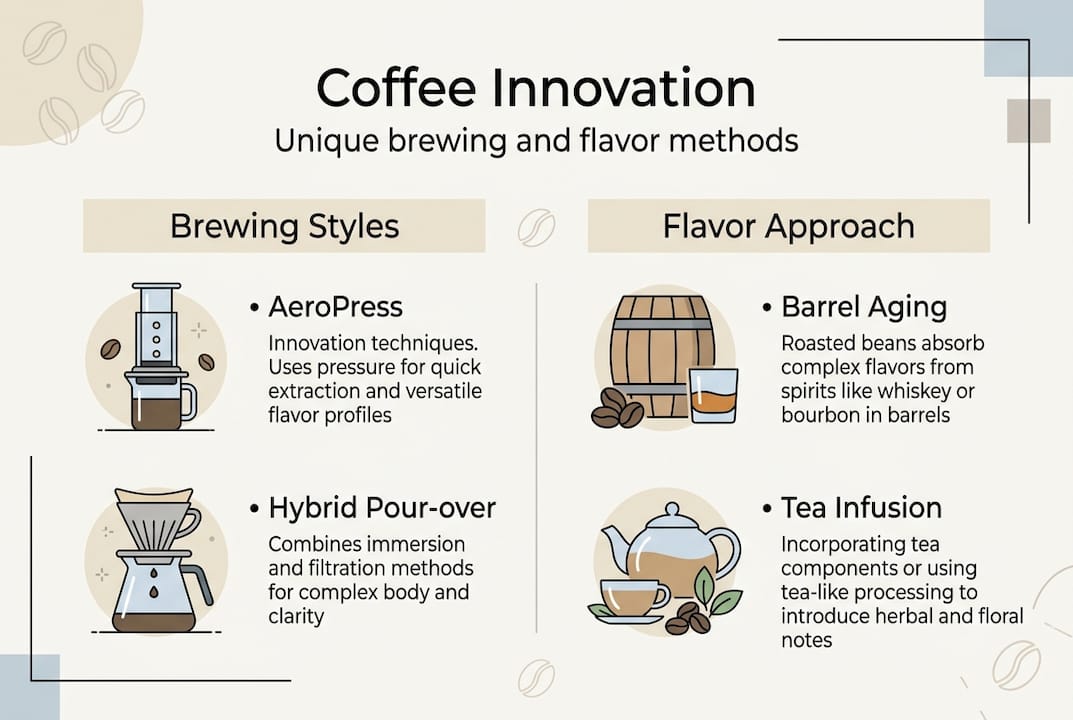
The AeroPress inverted method is one of the clearest examples of how technique alone can redefine a cup. By flipping the device, you create full immersion before pressing, giving you precise control over steep time and extraction. Mastering AeroPress inverted method is now considered a benchmark for premium extraction among competition brewers.
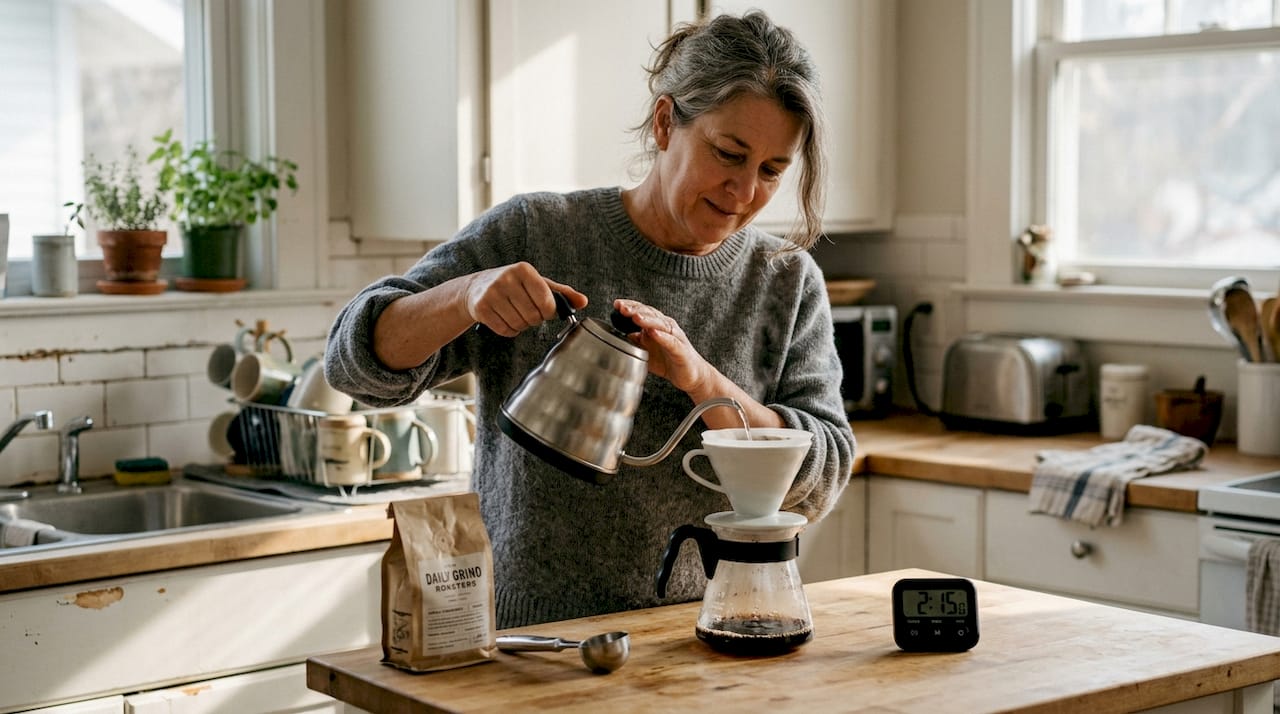
Hybrid pour-overs follow a similar logic. Brewers combine elements from multiple methods, such as a bloom phase from traditional pour-over and a controlled drawdown from a Chemex, to engineer a specific flavor outcome. These are not gimmicks. They are tools.
Small-batch and artisanal processes have accelerated this shift. When a roaster works with 10 to 20 pound batches instead of industrial drums, they can dial in roast curves for specific bean characteristics. That level of control produces sweeter, fuller-bodied coffee because the roaster is not averaging out flavors across a large, mixed lot.
Exploring unique coffee rituals shows how even small changes in preparation routine can unlock flavors you did not know were hiding in your beans.
Pro Tip: If you want to understand your coffee better, brew the same beans with two different methods back to back. The contrast will teach you more about extraction than any article can.
Brewing techniques redefining coffee innovation
With a foundational understanding of innovative coffee, it is essential to explore how brewing methods bring that innovation to life.
Competition brewers and specialty cafes have spent years refining variables most home brewers overlook. Ratio, agitation, and temperature each play a distinct role in what ends up in your cup.
| Variable | Standard approach | Innovative approach | Result |
|---|---|---|---|
| Brew ratio | 1:15 | 1:16 | Cleaner, sweeter body |
| Water temperature | 93°C (200°F) | 80°C (176°F) | Reduced bitterness |
| Agitation | Minimal | High (multiple stirs) | More even extraction |
| Steep time | 2 min | 3 to 4 min | Fuller flavor development |
Benchmark data shows that a 1:16 ratio, high agitation, and lower temperatures around 80°C yield a noticeably sweeter body compared to standard brewing methods. That is a significant flavor shift from three simple adjustments.
Here is a practical routine for brewing with the AeroPress inverted method:
- Flip the AeroPress so the plunger faces down and sits at position 4.
- Add 18 grams of medium-fine ground coffee.
- Pour 60 grams of water at 80°C and stir aggressively for 10 seconds.
- Add the remaining 228 grams of water (total 288 grams for a 1:16 ratio).
- Attach the filter cap, flip carefully onto your cup, and press slowly over 30 seconds.
“The inverted method gives you full control over every phase of extraction. Most people are surprised by how much sweeter and cleaner the result is compared to what they were brewing before.”
For those building out their artisanal brewing profiles, this method pairs exceptionally well with light to medium roasts where fruit and floral notes are the target.
Pro Tip: Lower water temperature is especially effective with naturally processed beans. The reduced heat preserves delicate fruit esters that would otherwise burn off at higher temperatures.
If you want to go further, studying coffee blending techniques will show you how combining beans with complementary extraction profiles produces layers of flavor that single-origin brewing alone cannot achieve.
How companies cultivate unique, modern coffee offerings
Advances in brewing are matched by companies’ creative approaches to developing truly modern coffee experiences.
The most interesting brands in the specialty coffee space are not just sourcing better beans. They are rethinking what coffee can be by integrating processes borrowed from other industries, including spirits production, confectionery, and traditional tea culture.
| Offering type | Traditional approach | Modern/innovative approach |
|---|---|---|
| Roasting | Large batch, consistent profile | Small-batch, single-origin curve |
| Flavor development | Flavored syrups added post-brew | Barrel aging, infusion during roast |
| Product range | Coffee only | Coffee plus specialty teas, hybrids |
| Sourcing | Commodity blends | Direct trade, rare varietals |
Modern coffee companies use advanced brewing to unlock new taste profiles that commodity roasters simply cannot replicate at scale.
Barrel aging is one of the most compelling examples of this shift. Aging green or roasted coffee in charred oak barrels previously used for bourbon or whiskey transfers vanillin compounds and smoky tannins directly into the bean. The result is a cup that carries genuine depth, not artificial flavoring. At Variatea Coffee, our flavor-forward coffee approach is built on exactly this kind of process-driven innovation.
Rare teas have also entered the conversation. Hojicha, a Japanese roasted green tea, and ceremonial-grade matcha are increasingly appearing alongside coffee offerings at specialty brands. These teas require the same level of sourcing discipline and preparation precision that premium coffee demands, making them a natural fit for enthusiasts who value craft.
Key ways innovative brands differentiate their offerings:
- Sourcing beans from single farms or micro-lots with traceable harvest data
- Developing proprietary roast curves for specific flavor targets
- Aging coffee in barrels to introduce non-artificial complexity
- Pairing coffee with specialty teas to serve enthusiasts who want variety
- Offering brewing guides that teach customers to get the most from each product
Browsing unique coffee blends gives you a clear picture of how far this creative process can go. For practical guidance on getting the most from these products, coffee flavor tips for adventurous enthusiasts is a strong starting point.
Experimentation: Preparation, serving, and home innovation
While brands innovate at scale, individuals and cafes experiment in everyday settings, pushing the boundaries of what coffee can be.
Home brewing has never been more capable. The tools available to enthusiasts today, from precision kettles with 1°C accuracy to refractometers that measure extraction yield, were once exclusive to competition settings. Now they sit on kitchen counters.
Experimentation at home tends to follow a few productive paths:
- DIY flavor infusions: Adding a cinnamon stick or a vanilla pod to your ground coffee before brewing introduces subtle complexity without artificial flavoring.
- Custom blends: Mixing two single-origin beans at home lets you engineer a flavor profile that suits your palate. Start with a 70/30 ratio and adjust from there.
- Serving style variations: Brewing a concentrated AeroPress shot over ice creates a completely different sensory experience than the same recipe served hot.
- Coffee mixology: Using cold brew as a base for cocktail-inspired drinks, with ingredients like citrus peel, cardamom, or tonic water, opens up a new category of coffee enjoyment.
Hybrid methods and experimentation in preparation consistently yield sweeter body and more complex flavors than sticking to a single fixed routine.
Cafes have taken this further by incorporating coffee into savory applications, pairing specific roasts with food courses, and offering guided tasting flights that mirror wine service. The home enthusiast can replicate this by setting up a simple two-cup comparison: same beans, different methods, side by side.
For those interested in the mixology side of things, coffee cocktails at home offers a practical framework for getting started. And if you want to build a more complete home setup, the home barista guide walks through equipment and workflow in plain terms.
Pro Tip: Keep a simple brewing log. Note your ratio, temperature, grind size, and tasting notes for each session. After a few weeks, patterns emerge that tell you exactly which variables matter most for your preferred flavor.
What coffee innovation really means for enthusiasts
To truly appreciate innovative coffee, it is worth stepping back and looking at the bigger picture.
A lot of enthusiasts get pulled into the gear conversation or the flavor trend cycle. A new brewing device drops, a new single-origin lot gets hyped, and suddenly everyone is chasing the next thing. That is not innovation. That is consumption.
Real innovation in coffee is what happens when you combine method, curiosity, and intention into a consistent practice. It is the brewer who adjusts their water temperature by 5 degrees and tastes the difference. It is the brand that spends months developing a barrel-aging process because they believe the result will be genuinely better, not just different.
The most rewarding cups we have encountered come from people who treat brewing as a craft rather than a routine. They read, they experiment, they adjust, and they share what they learn. Exploring expert brews perspective reinforces this point clearly: ritual and intention matter as much as equipment.
If you approach coffee that way, innovation is not something you chase. It is something you practice every morning.
Experience innovative coffee with Variatea
Ready to put these ideas into practice with coffee and tea that are built for exactly this kind of exploration?

At Variatea Coffee, every product is designed with the adventurous brewer in mind. Our whiskey barrel aged coffee delivers the kind of process-driven complexity that no flavoring can replicate, with genuine smoky vanilla depth from authentic charred oak aging. For something completely different, our hibiscus berry tea offers a vibrant, caffeine-free option that rewards the same careful preparation attention you bring to your best brews. Browse our full premium tea selection to find your next favorite cup.
Frequently asked questions
What makes a coffee innovative?
Coffee becomes innovative through creative brewing techniques, unique flavor development, and experiential serving methods. Innovative brewing methods like the AeroPress inverted change extraction quality in ways that standard approaches simply cannot match.
Are modern brewing methods difficult for home enthusiasts?
Many innovative brewing techniques, including the AeroPress inverted, are straightforward to learn and genuinely rewarding once you get the feel for them. Home brewers succeed with simple adjustments to ratio, temperature, and agitation.
Which coffee innovations deliver the most distinctive flavors?
Hybrid pour-overs, barrel aging, and rare tea infusions consistently produce the most distinctive and memorable taste experiences. Modern companies use advanced brewing to unlock taste profiles that commodity roasters cannot replicate.
Does innovative coffee always mean premium pricing?
Not at all. While some artisanal methods and small-batch roasts carry a higher price, many of the most impactful innovations, like adjusting water temperature or experimenting with brew ratio, cost nothing extra and dramatically improve what is already in your pantry.
Recommended
- Discover unique coffee blends for premium flavor experiences – Variatea Coffee
- Unlock flavor-forward coffee: elevate your brew – Variatea Coffee
- Unlock unique coffee rituals: expert brews & premium flavor – Variatea Coffee
- Explore artisan coffee varieties for unique flavor experiences – Variatea Coffee