

Best Evening Tea Options for a Calming Nighttime Ritual
TL;DR:
- Choosing low-caffeine or herbal teas with calming properties enhances relaxation before sleep. Establishing a mindful ritual, including consistent timing and environment, maximizes their effectiveness and encourages adherence. The enjoyment of a tea’s flavor and preparation quality is essential for making it a sustainable part of your evening routine.
There is a specific kind of satisfaction that comes from ending your day with the right cup of tea. Not just any tea. The right one. Choosing well from today’s evening tea options means understanding what your body and mind actually need after sunset: low caffeine, genuine calming properties, and flavors that feel like a reward, not an afterthought. This guide cuts through the noise and gives you the teas worth brewing, the criteria that matter, and a practical ritual you can actually stick to.
Table of Contents
- Key takeaways
- 1. What to look for in evening tea options
- 2. Chamomile tea
- 3. Rooibos tea
- 4. Lavender and lemon balm blends
- 5. Hibiscus berry blends
- 6. Moroccan Mint tea
- 7. Fruit and botanical herbal infusions
- 8. Evening tea comparison at a glance
- 9. How to build your evening tea ritual
- My honest take on evening tea rituals
- Explore Variateacoffee’s evening tea collection
- FAQ
Key takeaways
| Point | Details |
|---|---|
| Caffeine is the first filter | Choose caffeine-free or very low-caffeine teas in the evening to avoid disrupted sleep. |
| Timing shapes effectiveness | Drink calming teas like chamomile 30 to 60 minutes before bed to let active compounds work. |
| Artisanal blends add depth | Unique botanical and roasted teas offer richer flavor without sacrificing relaxation benefits. |
| Consistency builds results | Nightly chamomile rituals over 2 to 4 weeks produce progressively better calming effects. |
| Ritual matters as much as tea | Your environment, preparation, and timing all shape how relaxing your tea experience becomes. |
1. What to look for in evening tea options
Before you pick a tea, you need a filter. The wrong cup at 9 PM can wire you awake for hours. Here is what actually separates good evening tea options from the ones that work against you.
Caffeine content comes first. True herbal teas made without Camellia sinensis leaves are naturally caffeine-free and your safest bet for evenings. Decaffeinated black teas are not the same thing. They can still contain residual caffeine, which adds up if you drink multiple cups. Green tea and matcha, despite their L-theanine content, still carry moderate caffeine levels that make them better suited for mornings or early afternoons.
Calming botanicals make the difference. The most studied evening herbs include:
- Chamomile: Contains apigenin, a compound that binds to receptors in the brain associated with relaxation
- Lavender: Aromatherapy research shows it lowers heart rate and promotes calm; it translates well into tea form
- Lemon balm: A mild, lemony herb traditionally used to ease anxiety and support sleep onset
- Passionflower: Less common but genuinely effective; some studies link it to reduced nervous tension
- Rooibos: Not a sedative, but completely caffeine-free with a smooth, comforting body that works well at night
Flavor matters more than people admit. A tea you find unpleasant will not become a habit. You want something that feels like a treat, not medicine. Floral, mildly sweet, and lightly fruity profiles tend to work well in the evening when your palate wants comfort, not stimulation.
Brewing technique affects both flavor and potency. Using water that is too hot or steeping too long can destroy aromatic compounds and produce bitterness. Most herbal teas respond best to water between 90 and 95°C steeped for five to ten minutes, covered to trap the volatile oils that carry both flavor and function.
Pro Tip: Set up your tea station before dinner. Having your cup, kettle, and tea ready to go removes the friction that causes people to skip the ritual when they are tired.
2. Chamomile tea
Chamomile is the most studied and most recommended of all herbal tea choices for nighttime use, and for good reason. Its active compound, apigenin, binds to specific brain receptors in a way that promotes calm without acting as a sedative. The effect is gentle, not pharmaceutical.
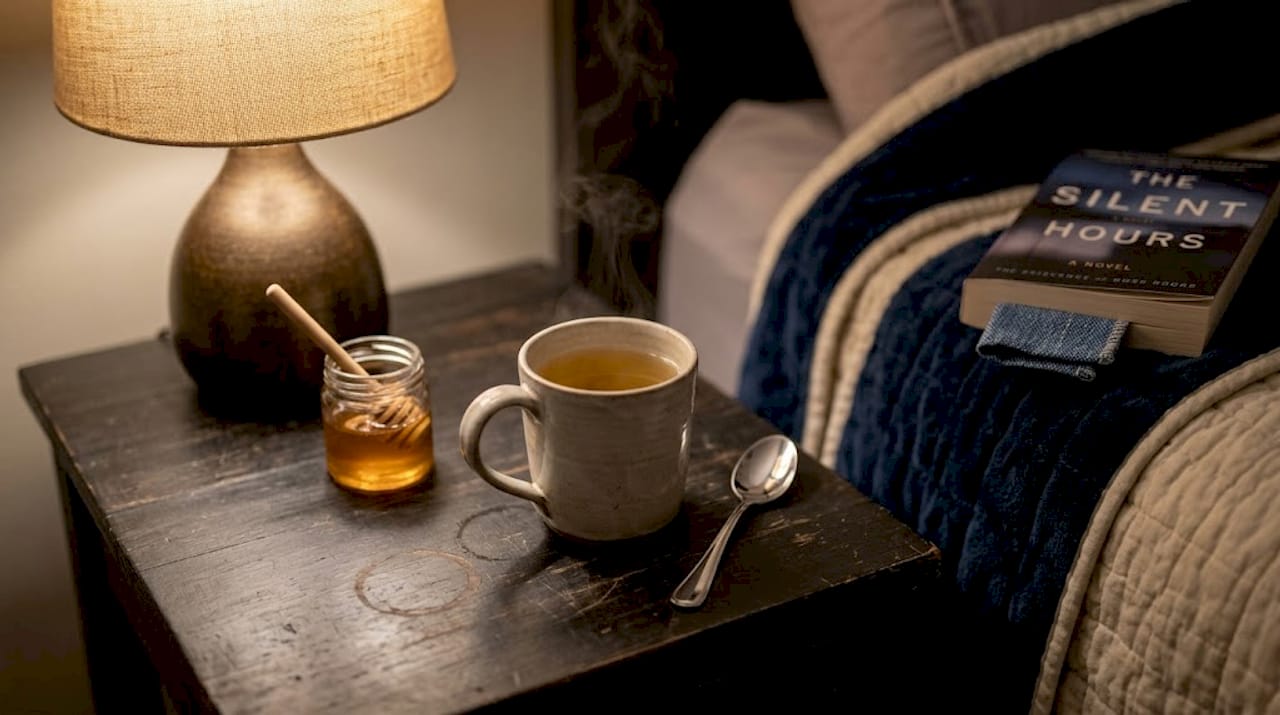
The flavor is mild and slightly sweet with a hint of apple-like floral notes. It pairs well with a small drizzle of honey if you want a touch more sweetness. For best results, brew at 90 to 95°C and steep covered for five to ten minutes. Covering the cup is not optional. It traps the aromatic oils that carry most of the therapeutic benefit.
One important note: chamomile works progressively. Consistent nightly use over two to four weeks produces noticeably better results than drinking it once and expecting a knockout effect.
3. Rooibos tea
Rooibos is what you reach for when you want something that tastes substantial but contains zero caffeine. It comes from a South African shrub with no relation to traditional tea leaves, which means it is caffeine-free by nature, not by chemical processing.
The flavor profile is where rooibos earns its popularity. Think of a smooth, slightly nutty sweetness with honey-like undertones and a full body that feels almost like a decaf black tea. It takes milk well if that is your preference, making it one of the most satisfying evening swaps for people who miss their afternoon builder’s brew.
Variateacoffee’s Apple Cider Rooibos takes the classic profile further. It layers in the warmth of apple cider spice, turning a reliable staple into something genuinely worth looking forward to at the end of a long day.
4. Lavender and lemon balm blends
These two herbs work well together and apart, but the combination is particularly good for evenings when your mind will not quiet down. Lavender brings floral aromatics that register calming signals before you even take your first sip. Lemon balm adds a soft citrus brightness that keeps the blend from tasting like a soap bar, which is the main risk with lavender-heavy teas.
Look for blends that use dried lavender buds rather than lavender flavoring. The aromatics from real buds are noticeably more complex, and they interact with the steam from the cup in a way that amplifies the calming sensation. Steep at around 90°C for five minutes. Going longer pulls out a slightly soapy note from lavender that most people find unpleasant.
5. Hibiscus berry blends
Hibiscus is one of the most underrated of all the popular evening teas, primarily because people associate its tart, cranberry-like flavor with refreshment rather than relaxation. That is a mistake worth correcting.
The deep crimson color, bright tartness, and layered berry notes make hibiscus blends genuinely pleasurable to drink in the evening. More importantly, they are completely caffeine-free and carry a natural antioxidant load that makes them one of the more functional tea blends for relaxation. They are also naturally sweet enough that many people drink them without any added sweetener.
Variateacoffee’s Hibiscus Berry Tea sits in this category and leans into the flavor-forward approach the brand is built on. It is tart, vibrant, and satisfying without a single drop of caffeine.
6. Moroccan Mint tea
Traditional Moroccan Mint combines gunpowder green tea with cooling peppermint. This blend sits at an interesting intersection for evening drinkers. The peppermint component is caffeine-free and actively relaxing. The peppermint oils soothe digestion, which makes this tea particularly good after a larger evening meal.
The caveat here is the green tea base. Green tea contains caffeine, so this is best reserved for early evening rather than right before bed. If you are caffeine-sensitive, treat this as a 6 to 7 PM option rather than a 9 to 10 PM one. The flavor is crisp, cooling, and unmistakably refreshing, which provides a pleasant contrast to richer evening meals.
Variateacoffee’s Moroccan Mint Tea uses this traditional formula with the quality sourcing that makes the difference between a flat mint tea and one with real character.
7. Fruit and botanical herbal infusions
Flavored herbal infusions, think blueberry lemon or peach ginger, occupy an important space in the evening tea world. They are caffeine-free by design, made entirely without Camellia sinensis leaves, and they offer flavor experiences that feel more like a dessert than a supplement.
For anyone who struggles with the “earthy” or medicinal taste of traditional herbal teas like chamomile, fruit and botanical blends are the entry point that builds the habit. The key is reading the label carefully. A blend labeled “herbal infusion” or “tisane” with no mention of tea leaves is truly caffeine-free. Anything labeled “decaf” or containing green, black, or white tea as an ingredient still carries some caffeine.
Pro Tip: Brewing a fruit infusion slightly longer than the package suggests, around six minutes instead of four, deepens the flavor considerably and makes it feel more substantial in the cup.
8. Evening tea comparison at a glance
Here is a side-by-side reference for the best teas for evening to help you match the right cup to your specific goal.
| Tea | Caffeine level | Flavor profile | Best for |
|---|---|---|---|
| Chamomile | None | Mild, floral, slightly sweet | Sleep onset, daily wind-down ritual |
| Rooibos | None | Smooth, nutty, honey-like | Those missing the body of black tea |
| Lavender and lemon balm | None | Floral, lightly citrus | Stress relief, mental quiet |
| Hibiscus Berry | None | Tart, fruity, vibrant | Flavor-first drinkers, antioxidant support |
| Moroccan Mint | Low (green tea base) | Crisp, cooling, fresh | After-dinner digestion, early evening |
| Fruit herbal infusion | None | Sweet, fruit-forward, dessert-like | Beginners, those avoiding earthy notes |
9. How to build your evening tea ritual
Picking the right tea is only half the work. The ritual surrounding preparation shapes how much benefit you actually get from it. A cup you make mindfully in a quiet kitchen affects your nervous system differently than the same tea made in a rush while checking your phone.
Here is what a strong evening ritual actually looks like in practice:
- Set a consistent time. Brew your tea at the same time each evening. Your body responds to behavioral cues, and a consistent tea time becomes a powerful signal that the day is done.
- Dim the lights. Lower light levels trigger melatonin production. Preparing and drinking your tea in dim or warm-toned lighting reinforces that signal naturally.
- Choose light snacks intentionally. Light snacks for tea that work well in the evening include small portions of mild cheese, a handful of almonds, a few plain crackers, or a small square of dark chocolate. Avoid anything spicy or high in sugar, which can interfere with sleep.
- Keep screens out of the ritual. This is the one most people skip. Even five minutes of screen-free tea time makes a measurable difference in how quickly you unwind.
- Cover your cup while steeping. This comes back to preserving volatile compounds in herbal teas. A small plate on top of your mug works perfectly.
For deeper guidance on the craft side of preparing evening tea, the artisanal brewing tips on Variateacoffee’s blog are worth bookmarking. They cover temperature, steeping time, and equipment choices that genuinely affect your cup.
Safety note: herbal teas are generally safe for most adults, but people who are pregnant, breastfeeding, or managing health conditions should check with a healthcare provider before adding medicinal herbs like chamomile, lavender, or passionflower to a regular routine. The absence of caffeine does not automatically mean the absence of active compounds.
My honest take on evening tea rituals
I have spent years working with artisanal teas, and the question I hear most often is: “Which tea is best for sleep?” People expect a specific answer. They want a name. What I have actually learned is that the question misses the point.
The tea matters less than you think. What matters enormously is the ritual. A cup of chamomile drunk in three minutes while doom-scrolling before bed will do almost nothing for you. That same chamomile, prepared and enjoyed slowly in a calm environment thirty to forty-five minutes before you plan to sleep, is genuinely effective over time.
The other thing most articles will not tell you: flavor matters for adherence. If you hate the taste of your evening tea, you will stop drinking it within a week. The best tea you will ever choose is the one you actually look forward to. That is why the mindful beverage ritual conversation always comes back to pleasure alongside function.
I am also skeptical of the overcaffeinated-evening-drinker who swaps to chamomile and expects transformation overnight. Chamomile’s benefits compound over weeks, not nights. Give it a genuine month before you judge it.
Start with one tea you actually enjoy. Brew it with care. Do it at the same time every night. That is the whole framework, and it works better than any specific blend can on its own.
— Jonathan
Explore Variateacoffee’s evening tea collection
If you are ready to move beyond the generic supermarket options, Variateacoffee has built a collection of evening teas worth exploring. From the vibrant tartness of Hibiscus Berry Tea to the smooth warmth of Apple Cider Rooibos and the crisp refreshment of Moroccan Mint, every blend is sourced and crafted for people who take flavor seriously.

And if you occasionally want an evening indulgence that leans more toward bold and complex, the Whiskey Barrel Aged coffee is the kind of non-caffeinated-style treat that pairs surprisingly well with a quiet evening. Not every night needs to be herbal. Explore the full tea and coffee collections at Variateacoffee and find the blend that becomes your new end-of-day ritual.
FAQ
What is the best caffeine-free tea for evenings?
Chamomile and rooibos are consistently ranked among the top caffeine-free evening teas. Both are naturally free of caffeine and offer distinct flavor profiles suited to relaxation.
How long before bed should I drink chamomile tea?
Drink chamomile 30 to 60 minutes before bedtime to allow its active compound, apigenin, to take effect and align with your natural wind-down window.
Are herbal teas safe during pregnancy?
Many herbal teas are widely consumed but caution is advised during pregnancy due to limited safety data. Consult a healthcare provider before using herbs like chamomile, lavender, or passionflower regularly.
What snacks pair well with evening tea?
Light, low-sugar options work best. A small amount of mild cheese, plain crackers, almonds, or a square of dark chocolate complement calming teas without disrupting sleep quality.
Does decaf black tea count as caffeine-free?
No. Decaffeinated teas still contain residual caffeine. Only true herbal infusions without Camellia sinensis are genuinely caffeine-free and appropriate for late evening use.