

Best coffees for flavor: small-batch artisanal picks
Finding truly exceptional coffee can feel overwhelming when you’re searching for bold, unique flavors beyond the grocery store shelf. You want small-batch quality with complex taste profiles that surprise and delight, but the sheer volume of specialty options makes choosing difficult. This guide walks you through expert criteria for evaluating flavor-forward coffees and highlights top artisanal picks that deliver the adventurous taste experiences you’re craving. Whether you’re drawn to floral Geishas, fermented microlots, or innovative barrel-aged roasts, you’ll discover how to identify and enjoy the most flavorful coffees available.
Table of Contents
-
Top flavorful coffees to try: small-batch and unique processes
-
Comparing the best coffees for flavor: flavor profiles and price points
-
How to brew and enjoy flavor-forward coffees to maximize taste
Key Takeaways
| Point | Details |
|---|---|
| Flavor wheel guide | The SCA Coffee Taster’s Flavor Wheel helps you articulate and identify complex taste notes from broad categories down to specific flavors. |
| Origin and processing | Origin and processing methods drive flavor potential with Ethiopian fruitiness and natural berry notes serving as examples. |
| Roast level effects | Roast level dramatically alters flavor expression from bright origin notes in light roasts to full body and roast character in dark roasts. |
| Quality benchmarks | Seek specialty scores of 94 or higher from trusted sources and check roast date to ensure peak freshness within two weeks of roasting. |
| Subscriptions access | Subscribing to specialty coffee services provides access to fresh and adventurous flavor profiles. |
How to choose the best coffees for flavor
Selecting truly flavorful coffee requires understanding the factors that create complexity and intensity in your cup. Start by familiarizing yourself with the SCA Coffee Taster’s Flavor Wheel, which organizes taste descriptors hierarchically from broad categories like fruity or floral down to specific notes such as blueberry or honeysuckle. This framework helps you articulate what you’re tasting and identify the profiles you enjoy most.
Origin plays a massive role in flavor potential. Ethiopian coffees typically deliver bright, fruity notes with floral undertones, while Colombian beans often present balanced sweetness with chocolate and nut characteristics. Processing method matters just as much. Natural processed coffees, where beans dry inside the fruit, develop intense berry and wine-like qualities. Washed coffees offer cleaner, more delicate flavors that highlight the bean’s inherent characteristics. Anaerobic fermentation, where beans ferment in oxygen-free environments, produces bold, funky profiles with tropical fruit and spice complexity.
Roast level dramatically affects flavor expression. Light roasts preserve origin characteristics and acidity, showcasing subtle notes. Medium roasts balance origin flavors with caramelization sweetness. Dark roasts emphasize body and roast character, sometimes masking origin nuances but creating rich chocolate and smoky profiles.
When evaluating quality, look for specialty scores of 94 or higher from trusted sources like Coffee Review. These ratings indicate exceptional cup quality based on professional cupping protocols. Consider these selection criteria:
-
Check the roast date and buy beans within two weeks of roasting for peak flavor
-
Research the farm or cooperative to understand their processing innovations
-
Read tasting notes but taste for yourself, as palate perception varies
-
Start with sample packs like the flavored coffees sample pack to explore diverse profiles affordably
-
Experiment with different brew methods to understand how extraction affects flavor
Pro Tip: Calibrate your palate by cupping multiple coffees side-by-side weekly. Brew small amounts of three different origins using identical parameters, then taste them sequentially while taking notes. This practice sharpens your ability to detect subtle differences and identify your preferences. Try the single origin favorites sample pack for structured comparison.
Top flavorful coffees to try: small-batch and unique processes
The specialty coffee world has exploded with innovation in processing and sourcing, creating unprecedented flavor possibilities. According to Coffee Review’s Top 50 of 2025, many coffees scoring 94+ feature fermentation techniques and microlot quality that push flavor boundaries.
Geisha varietals from Panama and Ethiopia dominate high-end flavor rankings with their distinctive floral aromatics, jasmine tea character, and bright stone fruit notes. These coffees command premium prices due to limited production and labor-intensive cultivation, but they deliver unmatched elegance and complexity. Expect bergamot, peach, and tropical flower notes that linger beautifully.
Anaerobic fermented microlots represent the cutting edge of flavor innovation. Producers seal freshly picked cherries in tanks without oxygen, allowing controlled fermentation that creates intense fruit-forward profiles with wine-like complexity. These coffees often present pineapple, passion fruit, and berry notes with surprising depth. Some feature co-fermentation with fruits or spices, amplifying specific flavor dimensions.
Innovative infused coffees offer bold alternatives for adventurous palates. Whiskey Barrel Aged coffee absorbs bourbon and vanilla notes from charred oak, creating a sophisticated non-alcoholic experience with caramel and smoky undertones. Mushroom-enhanced dark roasts like the Max Caf Blend combine coffee with functional fungi for earthy depth and sustained energy without jitters.
Notable small-batch options worth exploring:
-
Ethiopian Yirgacheffe natural process: explosive blueberry and floral notes with tea-like body
-
Costa Rican honey processed: balanced sweetness with tropical fruit and brown sugar
-
African Espresso: bold, fruit-forward blend perfect for milk drinks or straight shots
-
Colombian anaerobic washed: clean strawberry and citrus with sparkling acidity
-
Sumatra wet-hulled: earthy, herbal complexity with full body and low acidity
Pro Tip: When trying fermented or infused coffees, brew at slightly lower temperatures (195-200°F instead of 200-205°F) to prevent over-extraction of intense flavors. This preserves sweetness and prevents the bold notes from becoming overwhelming or astringent.
Comparing the best coffees for flavor: flavor profiles and price points
Understanding how different coffees stack up helps you make informed choices based on your taste preferences and budget. The specialty market offers incredible range, from accessible blends under $30/lb to premium Geishas averaging $240/lb.
| Coffee Type | Origin | Processing | Flavor Notes | Price Range |
|---|---|---|---|---|
| Panama Geisha | Panama | Washed | Jasmine, bergamot, peach, tropical flowers | $180-300/lb |
| Ethiopian Natural | Ethiopia | Natural/Dry | Blueberry, strawberry, wine, floral | $25-45/lb |
| Colombian Anaerobic | Colombia | Anaerobic Fermentation | Pineapple, citrus, tropical fruit, spice | $30-60/lb |
| Costa Rican Honey | Costa Rica | Honey Process | Brown sugar, stone fruit, caramel | $20-35/lb |
| Whiskey Barrel Aged | Blend | Barrel Aging | Bourbon, vanilla, oak, caramel | $28-40/lb |
| Sumatra Mandheling | Indonesia | Wet-Hulled | Earthy, herbal, cedar, full body | $18-28/lb |
Processing methods create distinct flavor profiles that appeal to different preferences. Natural processed coffees deliver maximum fruit intensity and body but can sometimes taste fermented or boozy if not carefully handled. Washed coffees provide clarity and brightness, showcasing the bean’s inherent characteristics without processing interference. Honey processed coffees split the difference, offering sweetness and body while maintaining some fruit character.
Anaerobic fermentation amplifies specific flavor compounds through controlled oxygen-free environments. This technique produces coffees with unprecedented intensity but requires precise execution. When done well, the results are stunning. When rushed or poorly managed, they can taste off or overly funky.
Consider these trade-offs when selecting:
-
High-end Geishas: unmatched elegance and complexity but extremely expensive and sometimes delicate
-
Fermented microlots: bold, unique profiles that stand out but may polarize traditional coffee drinkers
-
Infused coffees like Coffee with Mushrooms Dark Roast: innovative flavors and functional benefits but less focus on origin expression
-
Classic origins like Gourmet Donut Shop: reliable, approachable flavors at accessible prices but less adventurous
Your ideal choice depends on whether you prioritize novelty, value, or specific flavor characteristics. Sample packs let you explore multiple profiles before committing to full bags.
How to brew and enjoy flavor-forward coffees to maximize taste
Even the most exceptional beans need proper brewing to reveal their full potential. Pour-over methods like V60 or Chemex excel at highlighting subtle complexities because they allow precise control over water temperature, flow rate, and contact time. These techniques produce clean cups that showcase delicate notes often buried in immersion methods.
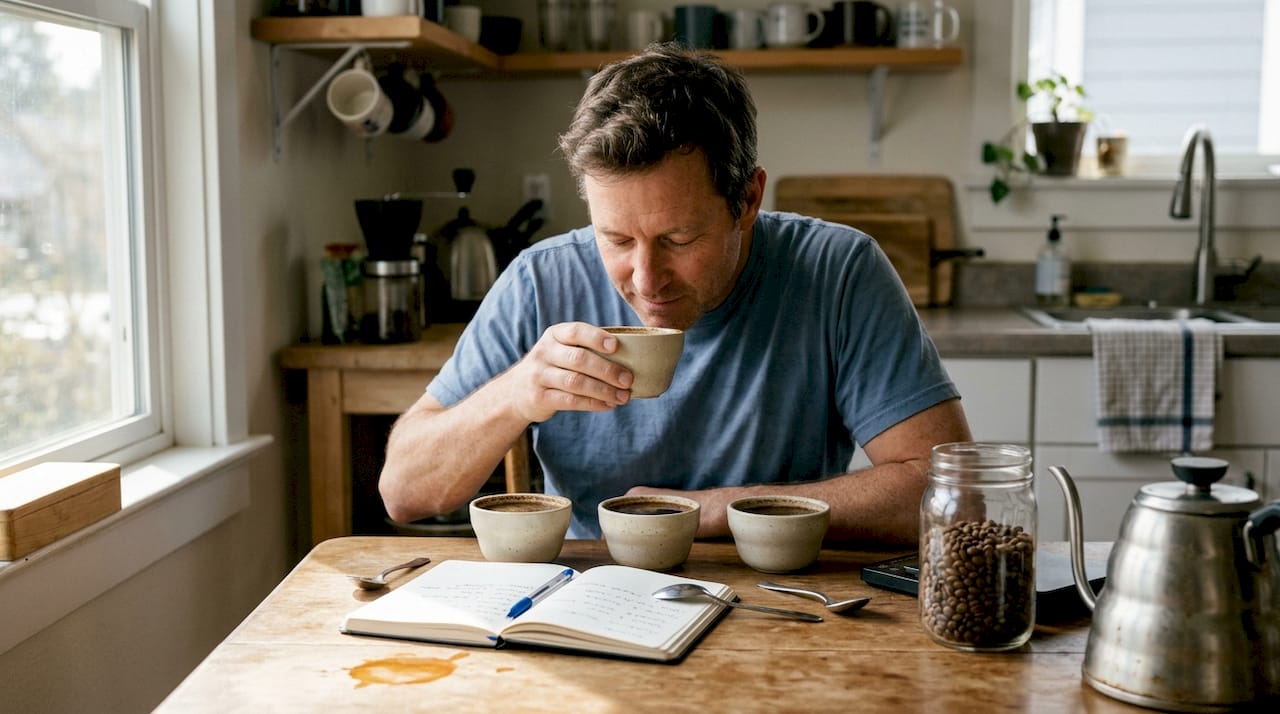
Develop a cupping routine to train your palate and fully appreciate specialty coffees. Start by smelling the dry grounds to identify initial aromatics. Add hot water and let the coffee steep for four minutes, then break the crust with a spoon and inhale deeply to assess wet aroma. After the grounds settle, use a spoon to slurp the coffee, aerating it across your palate to detect flavors from tip to back of tongue. Note sweetness, acidity, body, and specific flavor descriptors.
Regularly sampling diverse origins accelerates palate development. Try coffees from different continents, processing methods, and roast levels to build your flavor vocabulary and identify patterns in what you enjoy. Keep a tasting journal to track your impressions and preferences over time.
Maximize flavor preservation with these practices:
-
Store beans in an airtight container away from light, heat, and moisture
-
Grind immediately before brewing to prevent oxidation and aroma loss
-
Use filtered water heated to 195-205°F for optimal extraction
-
Maintain a 1:16 coffee-to-water ratio as your starting point, then adjust
-
Clean your equipment regularly to prevent oil buildup that creates stale flavors
Pro Tip: Freeze whole beans in small portions if you buy more than you’ll use in two weeks. Use vacuum-sealed bags or airtight containers to prevent freezer burn. Grind directly from frozen without thawing to preserve maximum freshness and volatile aromatics.
“Pour-over methods highlight complexities beautifully, and subscriptions provide the freshest adventurous profiles on a rotating basis, ensuring you always have peak-flavor beans ready to brew.”
Explore the best sellers sample pack to experience how different origins and roasts perform with your preferred brewing method. This hands-on comparison reveals which coffees suit your technique and taste preferences best.
Discover exclusive small-batch coffees and blends
Ready to elevate your coffee experience with curated, flavor-forward selections? Our coffee collection features premium small-batch roasts and innovative blends designed for adventurous enthusiasts who demand more than ordinary grocery store options.

Explore artisanal favorites like African Espresso, which delivers bold fruit-forward intensity perfect for espresso or pour-over. Discover unique offerings like Whiskey Barrel Aged coffee, where authentic charred oak barrels infuse deep bourbon and vanilla notes into every cup. Our sample packs, including the best sellers sample pack, let you taste multiple profiles before committing to full bags, making exploration affordable and exciting. Every coffee is roasted in small batches to ensure peak freshness and flavor complexity that mass-market brands simply cannot match.
Best coffees for flavor: frequently asked questions
How do fermentation methods impact coffee flavor?
Anaerobic and extended fermentation processes create intense, layered flavors by controlling microbial activity during processing. Oxygen-free environments produce tropical fruit, wine-like, and funky notes that traditional methods cannot achieve. The technique amplifies specific compounds while creating new flavor molecules through controlled decomposition.
What makes Geisha coffee stand out flavor-wise?
Geisha varietals possess unique genetics that produce distinctive floral and tea-like characteristics, especially jasmine, bergamot, and stone fruit notes. The plants thrive at high altitudes in specific microclimates, developing exceptional complexity and sweetness. Their delicate flavor profile and limited production make them the most sought-after specialty coffees globally.
Are infused or flavored coffees better for exploring bold tastes?
Infused coffees like barrel-aged or mushroom-enhanced options offer innovative flavor dimensions beyond traditional processing. They provide consistent, approachable boldness perfect for those seeking novelty without the variability of fermented microlots. However, they emphasize added flavors over origin expression, so choose based on whether you want innovation or terroir-driven complexity.
How often should I buy fresh coffee to preserve flavor?
Purchase coffee in quantities you’ll consume within two weeks of the roast date for peak flavor and aroma. Whole beans maintain quality longer than pre-ground coffee, which stales within days. If buying larger amounts, freeze portions in airtight containers and grind directly from frozen to extend freshness without significant quality loss.
What brewing method best reveals complex coffee flavors?
Pour-over techniques like V60 or Chemex provide the cleanest extraction and greatest control, highlighting subtle notes and delicate characteristics. These methods allow you to adjust variables like water temperature, pour rate, and bloom time to optimize flavor expression. Immersion methods like French press emphasize body and intensity but may obscure delicate nuances in highly complex coffees.