

Artisanal coffee flavor profiles and brewing techniques
Choosing artisanal coffee can feel overwhelming when you’re faced with dozens of flavor profiles, from bright fruity notes to deep smoky undertones. Understanding what makes each coffee unique and how brewing methods unlock different characteristics is essential for adventurous coffee enthusiasts. This guide will walk you through the criteria for evaluating artisanal coffee flavors, introduce you to standout profiles worth exploring, and show you how brewing techniques can transform your cup. By the end, you’ll have the confidence to select coffees that match your palate and brew them to perfection.
Table of Contents
- Key takeaways
- Understanding the criteria for artisanal coffee flavor profiles
- Top artisanal coffee flavor profiles to explore
- Comparing brewing techniques to highlight artisanal coffee flavors
- Making your artisanal coffee flavor decision
- Discover artisanal coffees to elevate your brew
- FAQ
Key Takeaways
| Point | Details |
|---|---|
| Flavor determinants | Origin, processing, and roast together shape a coffee’s final flavor. |
| Roast level impact | Light roasts preserve origin notes and acidity, medium roasts balance flavors, and dark roasts emphasize roast character and body. |
| Processing method flavors | Washed, natural, and honey processing create distinct flavor signatures such as clarity, fruitiness, or body. |
| Single origin exploration | Experimenting with single origins can deepen your palate and appreciation for diverse profiles. |
| Terroir influences acidity | Terroir’s soil, altitude, and climate shape a coffee’s acidity and sweetness. |
Understanding the criteria for artisanal coffee flavor profiles
When you’re evaluating artisanal coffee, several factors work together to create the final flavor experience. Flavor profiles depend significantly on coffee origin, processing, and roast, making it crucial to understand how each element contributes. Terroir, the combination of soil, altitude, and climate where coffee grows, influences everything from acidity to sweetness. Ethiopian coffees often showcase floral and citrus notes due to high-altitude growing conditions, while Brazilian beans tend toward chocolate and nutty profiles from lower elevations and different soil composition.
Roast level plays a transformative role in what you taste. Light roasts preserve origin characteristics and highlight bright, acidic notes with tea-like body. Medium roasts balance origin flavors with caramelization, creating sweetness and fuller body. Dark roasts emphasize roast character over origin, bringing forward bitter, smoky, and bold flavors with heavy body. The roasting process breaks down acids and develops oils, fundamentally changing the bean’s flavor potential.
Processing methods after harvest create distinct flavor signatures. Washed coffees are clean and bright, emphasizing acidity and clarity because the fruit is removed before drying. Natural process coffees are fruity and wine-like since beans dry inside the cherry, absorbing sugars and fermenting slightly. Honey process sits between these extremes, offering moderate fruitiness with good body as some mucilage remains during drying.
When tasting artisanal coffee, watch for these flavor descriptors:
- Floral notes like jasmine, rose, or lavender in Ethiopian and Kenyan coffees
- Citrus flavors including lemon, orange, or grapefruit common in East African beans
- Berry notes such as blueberry, strawberry, or blackberry from natural process coffees
- Chocolate tones ranging from milk chocolate to dark cocoa in Latin American origins
- Nutty characteristics like almond, hazelnut, or walnut in medium roasts
- Spicy elements including cinnamon, clove, or pepper in aged or specialty blends
- Caramel and toffee sweetness from medium to dark roasts
Pro Tip: Order a single origin favorites sample pack to taste multiple profiles side by side, helping you identify which flavor categories resonate most with your palate before committing to full bags.
Top artisanal coffee flavor profiles to explore
Ethiopian Yirgacheffe represents the pinnacle of fruity and floral coffee experiences. These beans deliver bright acidity with pronounced blueberry, jasmine, and bergamot notes that feel almost tea-like in their delicacy. Light to medium roasts work best to preserve the complex aromatics and vibrant character. Pour-over brewing extracts the nuanced flavors cleanly, letting each note shine without muddiness.
Latin American coffees from Colombia, Guatemala, and Peru typically offer nutty and chocolate-forward profiles. Distinct blend and single-origin coffees offer unique flavorful experiences, and these origins excel at balanced, approachable flavors with medium body. Expect milk chocolate, roasted almond, and caramel sweetness with moderate acidity. The Max Caf Blend showcases this profile beautifully, delivering smooth chocolate notes perfect for morning brewing. French press amplifies body and richness, making these coffees feel luxurious and comforting.
Smoky and spicy profiles emerge from specialty processing techniques like barrel aging. The Whiskey Barrel Aged coffee develops deep bourbon and vanilla notes from resting in charred oak barrels, creating a sophisticated non-alcoholic experience. These coffees work exceptionally well as espresso or in cold brew, where the bold flavors concentrate beautifully. The African Kahawa Blend brings warm spice notes alongside fruit-forward brightness, offering complexity that evolves as the cup cools.
Key tasting notes by profile category:
- Fruity profiles: blueberry, strawberry, cherry, tropical fruit, wine-like acidity
- Floral profiles: jasmine, rose, lavender, bergamot, delicate aromatics
- Nutty profiles: almond, hazelnut, walnut, peanut, roasted grain
- Chocolate profiles: milk chocolate, dark cocoa, bittersweet, fudge
- Smoky profiles: charred wood, tobacco, bourbon, toasted oak
- Spicy profiles: cinnamon, clove, cardamom, pepper, warming heat
Experiment with water temperature and brew time to emphasize different aspects of each profile. Fruity coffees shine with slightly cooler water around 195°F, while smoky profiles handle hotter water near 205°F without becoming bitter.
Comparing brewing techniques to highlight artisanal coffee flavors
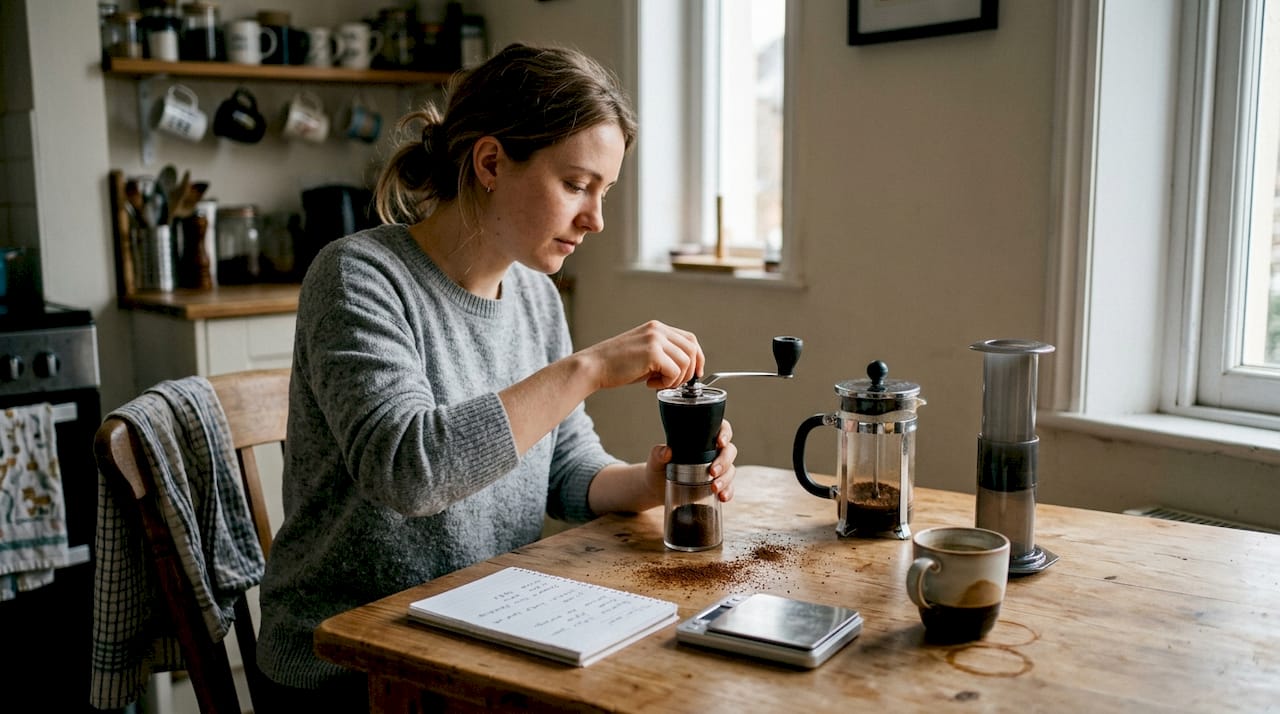
Your brewing method acts as the final translator between green bean potential and cup reality. Brewing technique influences the perception of coffee’s aroma and flavor complexity, making method selection as important as bean choice. Each approach extracts different compounds at varying rates, fundamentally altering what you taste.
| Brewing Method | Flavor Clarity | Body | Acidity | Best For |
|---|---|---|---|---|
| Pour-over | Excellent | Light to medium | Bright, pronounced | Fruity and floral profiles |
| French press | Moderate | Full, heavy | Muted | Chocolate and nutty profiles |
| Espresso | Good | Very full | Variable | All profiles, concentrated |
| Cold brew | Low | Smooth, syrupy | Very low | Smoky and chocolate profiles |
| Aeropress | Very good | Medium | Moderate to bright | Versatile for most profiles |
To brew a perfect pour-over that highlights fruity notes:
- Grind 22 grams of coffee to medium-fine consistency, similar to table salt texture
- Heat filtered water to 195-200°F and rinse your paper filter to remove papery taste
- Add grounds to the filter and create a small well in the center for even saturation
- Pour 50 grams of water in a circular motion for the bloom phase, wait 30 seconds
- Continue pouring in slow, steady circles, reaching 350 grams total water by 2:30 minutes
- Allow full drawdown by 3:30 minutes for balanced extraction
Pro Tip: Adjust grind size before changing other variables. Finer grinds increase extraction and body but can cause bitterness, while coarser grinds reduce extraction and may taste sour or weak.
Cold brew excels at showcasing smooth, low-acid profiles. The Cold Brew Coffee option removes acidity almost entirely, bringing forward chocolate and caramel sweetness with syrupy body. This method works brilliantly for smoky coffees, as the long extraction time at room temperature pulls out deep, mellow flavors without harsh edges. Steep coarsely ground coffee in cold water for 12-18 hours, then filter and dilute to taste.
“The relationship between grind size, water temperature, and contact time creates infinite possibilities for flavor expression. Master these three variables, and you can coax different characteristics from the same beans.” - Specialty Coffee Association brewing standards
For convenience without compromising quality, Instant Coffee provides a solution when time is limited. While it won’t match fresh-brewed complexity, premium instant options preserve more flavor than traditional varieties through freeze-drying technology.
Making your artisanal coffee flavor decision
With knowledge of flavor profiles and brewing methods, you’re equipped to make confident selections. Start by identifying your flavor preferences through intentional tasting. Do you gravitate toward bright, acidic coffees that wake up your palate, or do you prefer smooth, low-acid profiles that feel comforting? Your answer points toward specific origins and roast levels.
Consider these criteria when selecting artisanal coffee:
- Flavor preference: Match descriptors (fruity, nutty, smoky) to your taste history with other foods and beverages
- Brewing equipment: Choose beans that suit your available methods rather than buying equipment for specific beans
- Caffeine needs: Light roasts contain slightly more caffeine than dark roasts despite tasting lighter
- Versatility: Blends often perform well across multiple brew methods, while single origins may be more specialized
- Budget flexibility: Sample packs offer cost-effective exploration before committing to full-size bags
Sample packs eliminate the risk of purchasing full bags of unfamiliar coffees. The Flavored Coffees Sample Pack lets you explore unique profiles like Dubai Chocolate and Cinnamon Hazelnut without committing to large quantities. Similarly, the Best Sellers Sample Pack introduces you to popular single origins from different regions, helping you identify which terroirs speak to your palate.
Keep a simple tasting journal with these notes for each coffee:
- Coffee name and origin
- Roast level and roast date
- Brewing method and parameters (ratio, time, temperature)
- Flavor impressions (aroma, taste, aftertaste)
- Overall enjoyment rating
This practice reveals patterns in your preferences over time. You might discover you consistently rate Ethiopian coffees highly, or that you prefer French press over pour-over regardless of bean choice. These insights guide future purchases and prevent repetitive disappointment.
Single origin coffees teach you about regional characteristics and terroir impact. Blends offer consistency and balanced complexity, as roasters combine beans to achieve specific flavor targets that remain stable across harvests. Neither approach is superior, they serve different purposes in your coffee journey.
Adaptable brewing methods like Aeropress or pour-over give you control over extraction variables, letting you adjust technique to suit different beans. If you own only one brewing device, choose coffees known to perform well with that method, or select a versatile medium roast that forgives minor technique variations.
Discover artisanal coffees to elevate your brew
Variatea Coffee curates exceptional artisanal coffee collections designed for adventurous brewers seeking flavor experiences beyond grocery store offerings. Our selection spans bright single origins, complex blends, and innovative barrel-aged varieties that push traditional boundaries. Each coffee is roasted in small batches to preserve peak freshness and flavor potential.

The Single Origin Favorites Sample Pack provides an ideal starting point for exploring terroir-driven flavors from multiple regions. You’ll taste how Ethiopian brightness differs from Latin American chocolate notes, building your palate vocabulary with each cup. For those ready to explore our full range, browse the complete Coffee Collection to find profiles matching your newly refined preferences. Whether you’re drawn to the sophisticated smokiness of barrel-aged beans or the comforting familiarity of nutty blends, you’ll discover coffees that transform your daily ritual into an exploration of flavor and craft.
FAQ
What are the most popular flavor notes in artisanal coffee?
The most sought-after flavor notes include fruity profiles like blueberry and citrus, chocolate and caramel sweetness, nutty characteristics such as hazelnut and almond, and floral aromatics like jasmine. Specialty aged coffees also feature smoky and spicy notes from unique processing methods. Your personal preference will determine which notes appeal most to your palate.
How does roast level affect coffee flavor?
Light roasts preserve origin characteristics and highlight bright acidity with delicate, tea-like body and floral or fruity notes. Medium roasts balance origin flavors with caramelization, creating chocolate and nutty sweetness with fuller body. Dark roasts emphasize roast character over origin, producing bold, bitter, and smoky flavors with heavy body and low acidity.
Which brewing method brings out fruity flavors best?
Pour-over and Aeropress methods excel at highlighting fruity and floral notes because they provide excellent clarity and preserve delicate aromatics. These techniques use paper filters that remove oils and fine particles, resulting in clean cups where bright acidity and complex fruit flavors shine. Use water temperatures between 195-200°F and medium-fine grinds for optimal extraction of fruity characteristics.
Can I mix different artisanal coffees to create unique blends?
Yes, blending single origin coffees at home lets you create personalized flavor profiles by combining complementary characteristics. Try mixing a bright Ethiopian coffee with a chocolatey Colombian to balance acidity and body, or blend a smoky aged coffee with a nutty medium roast for complexity. Start with small quantities to test ratios before committing to larger batches, and keep notes on successful combinations for future reference.